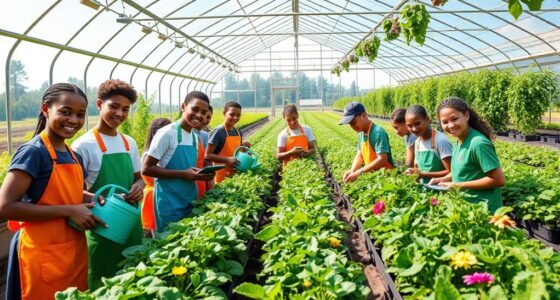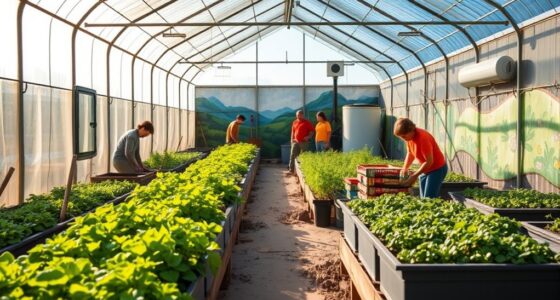
To fund your community greenhouse, focus on grants that support environmental sustainability, urban agriculture, and community development. Craft proposals that highlight eco-friendly practices like composting, rainwater harvesting, and energy efficiency, demonstrating long-term benefits. Engage local groups and build partnerships to strengthen your application. Be sure to customize each proposal to meet specific eligibility criteria and maintain transparency with funders. Keep exploring, and you’ll discover more tips to successfully secure the funding you need.

Get garden gear delivered free — and shop member deals
- Fast, free delivery on millions of items
- Access to Prime Big Deal Days deals on October 6–7
- Prime Video, Amazon Music and more included
Key Takeaways
- Identify relevant grants from government agencies, foundations, and environmental organizations supporting community development and sustainability projects.
- Ensure your proposal aligns with grant eligibility criteria and emphasizes eco-friendly practices like composting and rainwater harvesting.
- Highlight community involvement through educational programs, volunteer opportunities, and local partnerships to strengthen your application.
- Prepare a detailed, transparent budget covering setup, operations, and maintenance costs to demonstrate financial planning.
- Build partnerships with local schools, nonprofits, and businesses to enhance support, resource sharing, and accountability.

Funding your community greenhouse can seem like a formidable task, but with the right approach, you can gather the necessary resources to bring your project to life. One of the most effective ways to secure funding is by tapping into grants designed to support community development, environmental sustainability, and urban agriculture. When applying for these grants, it’s essential to emphasize your commitment to sustainable practices. Demonstrate how your greenhouse will promote eco-friendly methods such as composting, rainwater harvesting, and energy-efficient systems. Grant providers want to see that their money supports projects with a lasting positive impact, so highlighting your focus on sustainability can make your proposal stand out.
Highlight your commitment to sustainability through eco-friendly practices to make your green project stand out.
Community engagement plays a pivotal role in securing grants for your greenhouse. Funding agencies look favorably on projects that foster active participation from local residents. To strengthen your application, showcase how your greenhouse will serve as a hub for community involvement—whether through educational programs, volunteer opportunities, or partnerships with local schools and organizations. Demonstrating that your project has strong community backing not only boosts your chances of obtaining funding but also ensures your greenhouse’s long-term success.
Research is your best friend when pursuing grants. Look for opportunities offered by government agencies, foundations, and environmental groups that align with your project’s goals. Many grants are targeted toward urban farming, food security, or youth education initiatives. Carefully read the eligibility requirements and tailor your proposals to meet those criteria. Include a detailed budget that accounts for initial setup costs, ongoing expenses, and plans for maintenance. Clear, precise budgets reassure funders that you’ve thoroughly planned for the project’s financial needs and are capable of managing their investment responsibly.
Partnering with local organizations can also bolster your grant applications. Collaborations with schools, nonprofits, or local businesses can demonstrate broad community support and shared resources, making your project more attractive to funders. These partnerships can also open doors to additional funding streams or in-kind donations, reducing the overall financial burden on your project.
Finally, don’t overlook the importance of follow-up and reporting. Once you secure funding, maintaining transparent communication with your funders is vital. Regular updates on your progress, challenges, and successes show that you’re committed to responsible stewardship of their investment. This accountability not only helps you keep current grants but can also position you well for future funding opportunities, ensuring your community greenhouse continues to thrive and serve your neighborhood effectively. Additionally, engaging with expert advice can provide valuable insights into successful grant strategies and project sustainability.
community greenhouse funding grants
As an affiliate, we earn on qualifying purchases.
As an affiliate, we earn on qualifying purchases.
Frequently Asked Questions
How Do I Identify the Best Grant Opportunities for My Greenhouse?
To identify the best grant opportunities for your greenhouse, start by researching funding sources that support community projects and sustainable agriculture. Use grant writing resources and databases to find relevant programs, paying attention to eligibility criteria and deadlines. Network with other community greenhouses and local organizations, as they often share valuable grant tips. By staying proactive and organized, you’ll increase your chances of securing the funding needed to grow your project.
What Are Common Mistakes to Avoid When Applying for Grants?
Avoid budget pitfalls by clearly outlining your expenses and ensuring your numbers match your project goals. Steer clear of application errors like incomplete forms or missing deadlines, which can disqualify you. Double-check all details before submitting, and follow grant guidelines closely. Don’t overlook the importance of a compelling narrative that highlights your community impact. Staying organized and attentive to detail helps you prevent common mistakes and increases your chances of success.
How Can I Demonstrate Community Impact to Funders?
You can demonstrate community impact to funders by sharing clear impact measurement data that shows tangible results, like increased access to fresh produce or educational benefits. Highlight success stories from community members who benefited from your greenhouse, illustrating real-life change. Use visuals and testimonials to make your case compelling. Consistently tracking and reporting these outcomes helps funders see your project’s value and sustainability, boosting your chances of securing support.
Are There Specific Grants for Urban Versus Rural Greenhouses?
Imagine a lush urban oasis and a peaceful rural garden—each needs different seeds to thrive. You’ll find urban grants tailored for city greenhouses, focusing on community engagement and sustainability, while rural funding supports agricultural innovation and local food production. Seek out these specific grants to match your greenhouse’s location. By targeting the right funding streams, you nurture your project’s growth, transforming your vision into a flourishing reality.
How Do I Sustain Funding After Initial Grants Are Exhausted?
To sustain funding after initial grants run out, focus on building strong community partnerships that demonstrate ongoing value. Apply for grant renewal or seek new grants by showcasing your greenhouse’s impact. Engage local businesses, schools, and nonprofits to support your project through sponsorships or donations. Consistently highlight your successes and community benefits to keep funders interested, ensuring your greenhouse remains a essential resource for years to come.
Conclusion
Securing funding for your community greenhouse is achievable with the right approach. Did you know that nearly 70% of community greenhouses rely on grants to stay operational? By exploring diverse funding sources and crafting compelling proposals, you can turn your green space into a thriving hub for education, sustainability, and community connection. Keep pushing forward—your project has the potential to grow and flourish just like the plants you’ll nurture.
Fall yard work Picks
leaf blowers
As an affiliate, we earn on qualifying purchases.