Proper lubrication is essential for wind turbines to operate at best levels, ensuring the smooth functioning of critical components, reducing friction and heat generation, and extending component lifespan. This, in turn, minimizes downtime and maintenance costs. Selecting the right lubricant and adhering to maintenance schedules are key to achieving peak turbine performance. Factors such as turbine size, operating conditions, and oil type also play a significant role in determining the best lubrication strategy. By understanding these factors and implementing effective lubrication practices, wind turbine operators can maximize efficiency and reliability. Explore further to discover the intricacies of optimal lubrication and its impact on wind turbine performance.
Key Takeaways
- Proper lubrication ensures smooth operation of wind turbine components, reducing friction and heat generation for optimal performance.
- Selecting the right lubricant and adhering to maintenance schedules minimizes downtime and reduces maintenance costs.
- Regular oil analysis aids in early detection of contaminants, enabling predictive maintenance and proactive issue resolution.
- Synthetic oil's superior thermal stability and lubricity properties reduce wear on critical components, enhancing turbine performance and efficiency.
- Correct oil quantity and viscosity for each component, as specified by manufacturers, are essential for optimal wind turbine performance.

AeroShell Turbine Oil 560 Synthetic Turbine Engine Oil – Quart Can
maintains a cleaner engine
As an affiliate, we earn on qualifying purchases.
As an affiliate, we earn on qualifying purchases.
Lubrication for Optimal Performance
Proper lubrication is the linchpin of wind turbine performance, as it guarantees the smooth operation of critical components, mitigates wear and tear, and maximizes energy output.
Effective lubrication makes sure that moving parts interact seamlessly, reducing friction and heat generation. This, in turn, prevents premature wear, extends component lifespan, and minimizes downtime.
Moreover, proper lubrication helps maintain peak turbine performance, even in harsh environmental conditions. By selecting the right lubricant and adhering to recommended maintenance schedules, wind turbine operators can ensure efficient energy production, reduce maintenance costs, and decrease the risk of unexpected failures.
AeroShell Turbine Oil 560 Synthetic Turbine Engine Oil – Quart Can
maintains a cleaner engine
As an affiliate, we earn on qualifying purchases.
As an affiliate, we earn on qualifying purchases.
Factors Influencing Oil Quantity

Several factors, including turbine size, operating conditions, oil type, and viscosity, influence the amount of oil needed for effective lubrication in wind turbines.
The right amount of oil is important to guarantee peak performance, prevent wear and tear, and reduce maintenance costs.
- Larger turbines require more oil due to their greater capacity and rotational speeds.
- Severe weather or dusty environments may require more frequent lubrication and oil usage.
- Thicker oils may need larger quantities to ensure adequate lubrication.
- Regular maintenance helps pinpoint issues needing extra lubrication for efficient turbine operation.

SBPKMARSCT Wind Turbine, 100W 42.65ft/s Vertical Axis Wind Turbine Generator Home Windmill Kit Hybrid Wind System with Controller for Home, Business, Industrial Energy Supply (100W 12V White)
High Quality Material: It adopts a permanent magnet generator with an iron core paired with two aluminum alloy…
As an affiliate, we earn on qualifying purchases.
As an affiliate, we earn on qualifying purchases.
Oil Quantity for Components

Each wind turbine component, including the gearbox, generator, and bearings, has a specific oil quantity requirement that depends on its size, operating conditions, and the wind turbine model.
The recommended oil quantity varies notably between components, and manufacturers' guidelines should be consulted to guarantee proper lubrication.
For instance, the gearbox requires a larger oil quantity due to its high capacity and rotational speeds, while the generator and bearings require less oil but with a specific viscosity to operate efficiently.
Proper oil storage in a clean, dry environment is also essential to maintain oil quality.

Oil Analysis Premier Kit by Under My Hood with return postage included
NOT FOR USE ON AIRCRAFT!
As an affiliate, we earn on qualifying purchases.
As an affiliate, we earn on qualifying purchases.
The Role of Oil Analysis

Regular oil analysis is a crucial aspect of wind turbine maintenance, enabling the early detection of contaminants, monitoring of oil condition, and predictive maintenance to reduce downtime and maintenance costs. This proactive approach helps identify potential issues before they become major problems, ensuring peak turbine performance and longevity.
Contaminants like dirt, water, or metal particles are detected and removed, preventing damage to turbine components.
Oil viscosity, acidity, and oxidation levels are monitored to assess oil health and plan maintenance.
Predictive maintenance identifies signs of wear or potential failures, allowing for proactive maintenance and reduced downtime.
Benefits of Synthetic Oil

Synthetic oil, with its superior thermal stability and longer lifespan, offers a range of benefits for wind turbine lubrication, including reduced friction and wear, and fewer oil changes. This results in improved turbine performance, increased efficiency, and reduced maintenance costs.
Synthetic oil's high viscosity index and thermal stability enable it to perform consistently across a wide temperature range, making it ideal for harsh wind turbine operating conditions. Additionally, synthetic oil's superior lubricity properties reduce wear on critical components, such as gears and bearings, extending their lifespan and reducing the need for frequent replacements.
Sustainable Lubrication Practices

In an effort to minimize the environmental footprint of wind turbines, sustainable lubrication practices have become a critical component of the industry's shift towards a more eco-friendly and responsible operation.
Sustainable lubrication practices involve the use of environmentally friendly lubricants that are biodegradable, non-toxic, and minimize oil leakage risks. These practices not only reduce the impact on ecosystems but also provide effective lubrication in harsh wind turbine operating conditions.
Wind turbines standing tall on a hill, their blades rotating smoothly with sustainable lubricants.
A maintenance worker carefully handling a container of eco-friendly lubricant.
A close-up of a gearbox, well-lubricated with a sustainable oil.
A scenic landscape with a wind farm in the distance, symbolizing a greener future.
Reducing Wear and Tear

Proper lubrication plays a vital role in reducing wear and tear on wind turbine components, thus extending their lifespan and decreasing the need for expensive repairs.
Efficient lubrication prevents metal-to-metal contact, decreasing friction and wear on crucial components like gears, bearings, and generators. This aids in maintaining peak turbine performance, reducing the chance of premature wear and tear.
Additionally, lubrication assists in dispersing heat, decreasing the thermal stress on components and further decreasing wear. By lessening wear and tear, wind turbine operators can elongate the lifespan of their equipment, cut down on maintenance costs, and support optimal energy production.
Maximizing Turbine Longevity
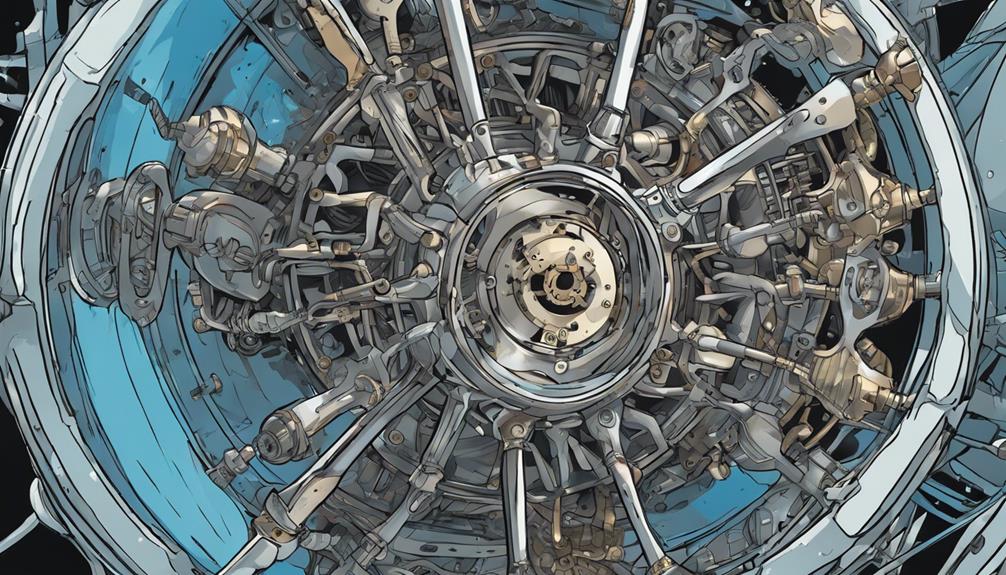
By ensuring best lubrication, wind turbine operators can greatly extend the lifespan of their equipment, minimizing the need for costly repairs and replacements. Proper lubrication is essential to prevent wear and tear on critical components, reducing the risk of premature failure. This, in turn, leads to increased turbine uptime, reduced maintenance costs, and a lower environmental impact.
- A well-lubricated gearbox hums smoothly, its gears meshing in perfect harmony.
- Bearings spin effortlessly, their surfaces protected from excessive friction and heat.
- The generator purrs along, its components working in tandem to produce clean energy.
- The entire turbine stands tall, its components working in perfect sync to generate power efficiently and sustainably.
Frequently Asked Questions
What Is the Ideal Oil Change Interval for Wind Turbines?
The best oil change interval for wind turbines depends on factors like turbine size, operating conditions, oil type, and maintenance schedules, with regular oil analysis helping to determine the best interval.
How Do I Determine the Correct Oil Type for My Wind Turbine?
To determine the correct oil type for your wind turbine, consider factors such as turbine size, operating conditions, and component specifications, and consult the manufacturer's guidelines to select the best lubricant viscosity and formulation.
Can I Use the Same Lubricant for All Wind Turbine Components?
Using the same lubricant for all wind turbine components is not recommended, as different components require specific lubricant properties to guarantee peak performance, longevity, and efficiency, and manufacturers' guidelines should be followed for each component.
How Often Should I Inspect My Wind Turbine's Lubrication System?
Regular inspections of the wind turbine's lubrication system are essential to guarantee peak performance and prevent premature wear. Inspect the system every 3-6 months, or as recommended by the manufacturer, to detect potential issues early.
What Are the Consequences of Inadequate Lubrication in Wind Turbines?
'Inadequate lubrication in wind turbines can lead to catastrophic failures, whereas proper lubrication promotes peak performance and longevity. Insufficient lubrication causes wear and tear, overheating, and corrosion, resulting in costly repairs, downtime, and environmental damage.'
How Does Optimal Lubrication Impact Wind Turbine Shutdown Speed and Prevent Potential Damage?
Proper lubrication is crucial for maintaining wind turbine safety shutdown speed and preventing damage. Optimal lubrication reduces friction and wear on critical components, ensuring smooth operation and efficient shutdown when necessary. This helps extend the lifespan of the turbine and minimizes the risk of costly repairs or failures.
Conclusion
To sum up, best lubrication is the linchpin of wind turbine performance, ensuring smooth operation and minimizing environmental impact.
By adhering to manufacturers' recommendations, embracing eco-friendly methods, and using oil analysis, the industry can achieve the perfect balance, keeping turbines well-oiled and running smoothly.
As the wind energy sector expands, it is essential to prioritize lubrication, as it is the key to achieving peak performance and a sustainable future.