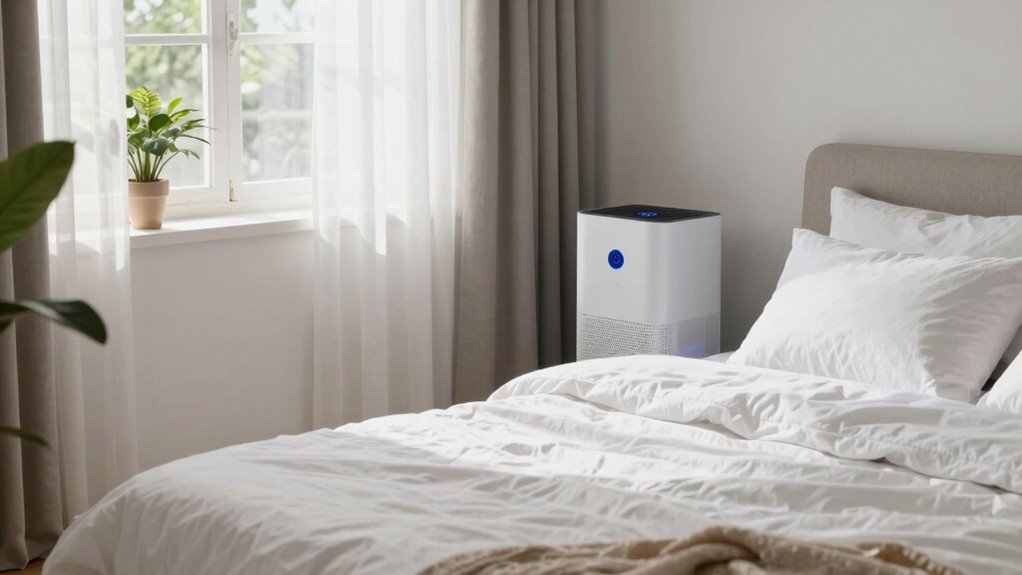
Your bedroom’s air quality is a personal health issue that you shouldn’t overlook. Poor air gets trapped around you, affecting your sleep, allergies, and overall well-being. Using air purifiers, maintaining clean bedding, and controlling humidity can make a big difference. Even if your whole house has good air quality, your bedroom deserves special attention for a healthier sleep environment. Keep going to discover more simple ways to improve your bedroom’s air quality and rest better.

Get garden gear delivered free — and shop member deals
- Fast, free delivery on millions of items
- Access to Prime Big Deal Days deals on October 6–7
- Prime Video, Amazon Music and more included
Key Takeaways
- Bedroom air quality directly affects sleep quality and respiratory health, making it a critical focus area.
- Allergens like dust mites and pet dander accumulate in bedding, requiring targeted cleaning and air filtration.
- Using air purifiers with HEPA filters in the bedroom effectively reduces airborne irritants.
- Proper ventilation, humidity control, and allergen-proof bedding improve indoor air conditions specifically in bedrooms.
- Tailoring air quality strategies to individual bedrooms enhances overall health and well-being.
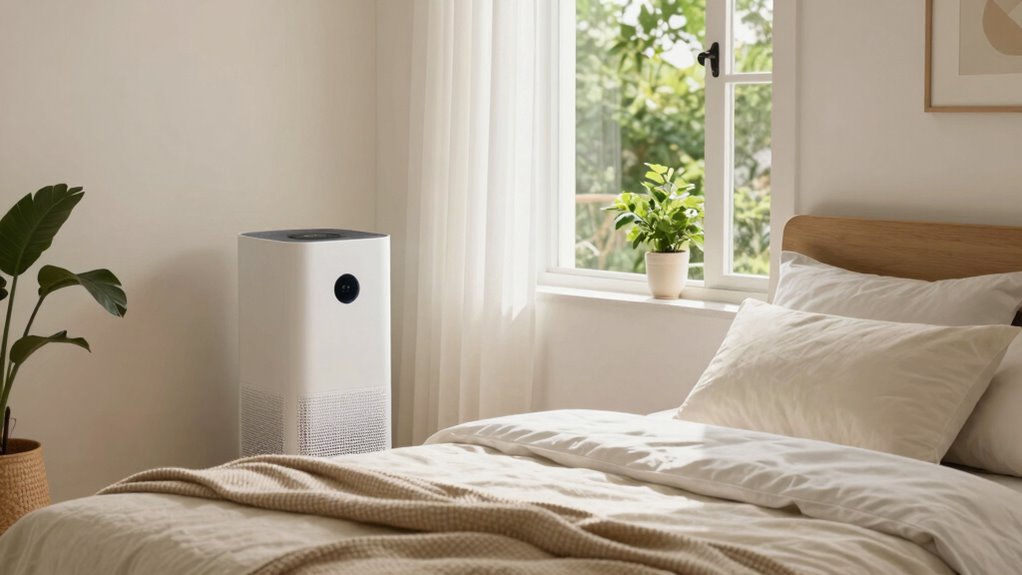
Have you ever wondered how the air you breathe in your bedroom affects your health and sleep quality? It’s easy to overlook, but the air in your personal space plays a vital role in how well you rest and how healthy you feel during the day. Even if your entire house has good ventilation, your bedroom might still harbor pollutants that could disrupt your sleep and trigger allergies. That’s where air purifiers come into play—they can considerably improve the air quality directly around your sleeping area. These devices help filter out dust, pet dander, pollen, and other airborne irritants, making your environment safer and more comfortable.
Improve your sleep by reducing airborne allergens with an air purifier in your bedroom.
Bedding allergens are a common culprit behind poor indoor air quality in bedrooms. Over time, dust mites, mold spores, and pet dander accumulate in your sheets, pillows, and mattress, becoming a persistent source of allergens. When you’re sleeping, these tiny particles can be inhaled deeply into your lungs, aggravating allergies and asthma. Regular washing of bedding helps, but it might not be enough if allergens are deeply embedded or if your home harbors other airborne irritants. That’s why integrating air purifiers into your bedroom setup can make a real difference. They continuously work to trap and remove microscopic allergens, reducing their presence in the air you breathe while you sleep.
Your bedroom’s size and layout influence how effective an air purifier can be, so choosing the right model matters. A device with a HEPA filter can capture 99.97% of particles as small as 0.3 microns—those tiny particles that cause allergic reactions. Using an air purifier in combination with regular bedding washing and dusting creates a cleaner environment that promotes better sleep and overall health. Also, consider your bedding materials; hypoallergenic covers and pillows can further reduce allergen buildup. Additionally, understanding the importance of air filtration and how it complements other indoor air quality strategies can help you make more informed choices for your health. Proper ventilation and humidity control are essential parts of maintaining a healthy bedroom environment, preventing mold growth and reducing dust accumulation. Incorporating air quality monitoring devices can also help track pollutant levels and optimize your efforts to maintain a safe sleeping space. Furthermore, choosing low-emission products for cleaning and furnishings can contribute to a healthier indoor environment.
It’s not just about filtering the air; you should also control humidity and reduce sources of indoor pollution. Ventilate when possible, keep pets out of the bedroom, and avoid smoking indoors. These simple steps, combined with the strategic use of air purifiers and allergy-proof bedding, can elevate your sleep quality and protect your respiratory health. Remember, your bedroom isn’t just a place for rest—it’s a personal sanctuary that deserves a clean, allergen-free environment to support your well-being every night.
As an affiliate, we earn on qualifying purchases.
Frequently Asked Questions
How Often Should I Change My Bedroom Air Filters?
You should change your bedroom air filters every 30 to 60 days to guarantee proper filter maintenance and ideal air circulation. Regularly replacing filters helps remove dust, allergens, and pollutants, improving your indoor air quality. If you have pets or allergies, consider changing filters more frequently. Keep an eye on filter condition and replace them promptly to maintain a healthy sleeping environment and prevent buildup that can hinder air flow.
Can Houseplants Improve Indoor Air Quality in Bedrooms?
Houseplants are like natural air filters, helping to boost your bedroom’s air quality through air purification. Plant benefits include removing toxins and increasing humidity, making the air feel fresher and healthier. While they don’t replace proper ventilation or filters, incorporating plants like snake plants or pothos can enhance your space’s overall air quality, making it more comfortable and inviting. Just remember to care for them to keep their benefits thriving.
Are Air Purifiers Safe for Long-Term Use in Bedrooms?
Air purifiers are generally safe for long-term use in bedrooms if you follow proper maintenance and safety considerations. Regularly change filters and clean the device to guarantee ideal performance and air quality. Look for models with safety certifications and avoid overusing them, especially in small or poorly ventilated spaces. When maintained properly, air purifiers can effectively improve your indoor air quality without posing health risks.
What Are Common Sources of Indoor Allergens in Bedrooms?
Oh, the glamorous world of bedroom allergens—dust mites and pet dander leading the charge! You probably didn’t realize your cozy space is also a battleground for these tiny invaders. Dust mites thrive in your mattress and pillows, while pet dander lingers long after your furry friend’s nap. Regular cleaning, washing bedding, and keeping pets out of the bedroom can help reduce these common allergens and improve your sleep quality.
How Does Bedroom Humidity Affect Air Quality and Health?
When bedroom humidity levels are too high, mold growth can thrive, worsening air quality and affecting your respiratory health. Excess moisture creates an environment where allergens and mold spores flourish, leading to potential breathing issues, allergies, or asthma flare-ups. Maintaining humidity between 30-50% helps prevent mold growth, improves air quality, and supports better respiratory health, making your bedroom a safer, more comfortable space to sleep and breathe.
Conclusion
As you drift into sleep, remember your bedroom’s air isn’t just a backdrop—it’s the whispering breath that cradles your dreams. Clear, fresh air nurtures your body and mind, turning your sanctuary into a haven of serenity. By paying close attention to your bedroom’s environment, you create a refuge where every inhale feels like a gentle caress, restoring energy and peace. Make your bedroom’s air quality a priority, and wake up refreshed, ready to embrace a new day.
Fall yard work Picks
leaf blowers
As an affiliate, we earn on qualifying purchases.