Geothermal energy serves mainly for heating, cooling, and electricity generation. It provides sustainable solutions that lower energy consumption and offer eco-friendly alternatives. For heating, geothermal systems circulate hot water, reducing energy use noticeably. When it comes to cooling, geothermal heat pumps transfer heat from buildings into the ground efficiently, cutting down on electricity for air conditioning. For electricity generation, geothermal power plants tap into Earth's heat, providing steady power around the clock with fewer greenhouse gas emissions. These uses demonstrate the versatility and benefits of geothermal energy, improving energy efficiency and environmental impact.
Key Takeaways
- Geothermal energy is used for heating through direct systems and heat pumps, reducing energy consumption by up to 75%.
- Geothermal cooling systems absorb heat from buildings, transferring it underground to cut air conditioning electricity usage by 50%.
- Geothermal power plants generate electricity by tapping into Earth's heat reservoirs and providing stable, renewable baseload power 24/7.
- Geothermal heating is a cost-effective, environmentally sustainable alternative to traditional heating methods.
- Geothermal energy offers efficient, sustainable, and environmentally friendly solutions for heating, cooling, and electricity generation.

Geo Power: Stay Warm, Keep Cool and Save Money with Geothermal Heating & Cooling
As an affiliate, we earn on qualifying purchases.
As an affiliate, we earn on qualifying purchases.
Heating
Geothermal energy serves as a sustainable and efficient heating solution by harnessing the natural warmth from underground reservoirs.
Direct geothermal heating systems circulate hot water from these reservoirs through buildings, providing reliable and comfortable temperatures.
Geothermal heat pumps leverage the earth's consistent underground temperature to heat structures, markedly reducing energy consumption by up to 75%.
This direct heating method not only guarantees efficiency but also contributes to environmental sustainability, making it a cost-effective alternative to traditional heating approaches.
Geo Power: Stay Warm, Keep Cool and Save Money with Geothermal Heating & Cooling
As an affiliate, we earn on qualifying purchases.
As an affiliate, we earn on qualifying purchases.
Cooling
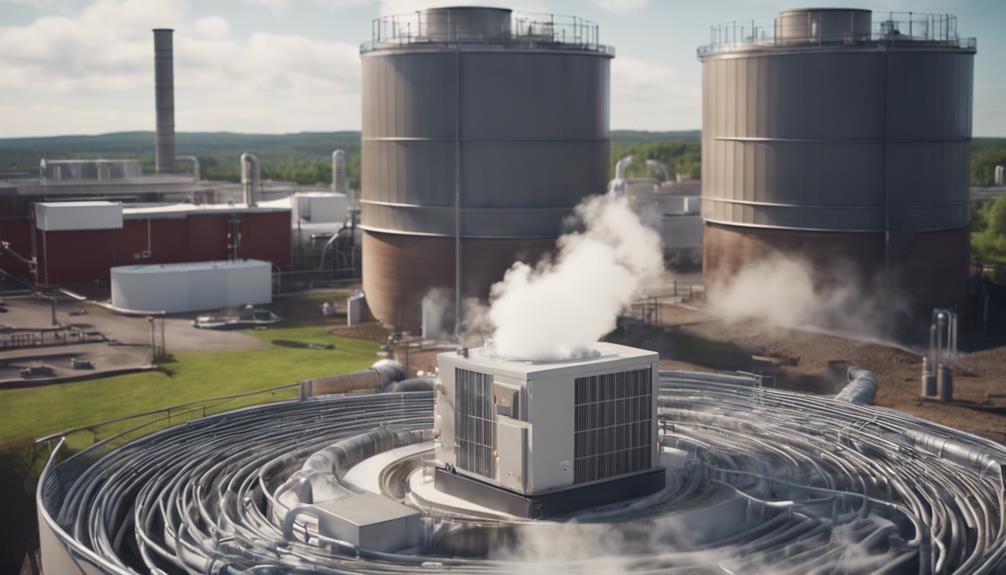
Harnessing the natural warmth from underground reservoirs for heating is just one aspect of geothermal energy; another significant application is in cooling systems. Geothermal cooling utilizes geothermal heat pumps to absorb heat from buildings and transfer it into the ground through underground pipes. These systems are highly energy-efficient, reducing electricity consumption for air conditioning by up to 50%. They offer a sustainable alternative to traditional cooling methods, providing environmentally friendly solutions. Geothermal cooling technology is particularly effective in regions with stable ground temperatures, where it ensures long-term cost savings and decreases carbon emissions.
| Benefits of Geothermal Cooling | |
|---|---|
| Energy-efficient | Reduce electricity consumption |
| Sustainable alternative | Environmentally friendly |
| Stable ground temperatures | Long-term cost savings |

Advances in Steam Turbines for Modern Power Plants (Woodhead Publishing Series in Energy)
As an affiliate, we earn on qualifying purchases.
As an affiliate, we earn on qualifying purchases.
Electricity Generation
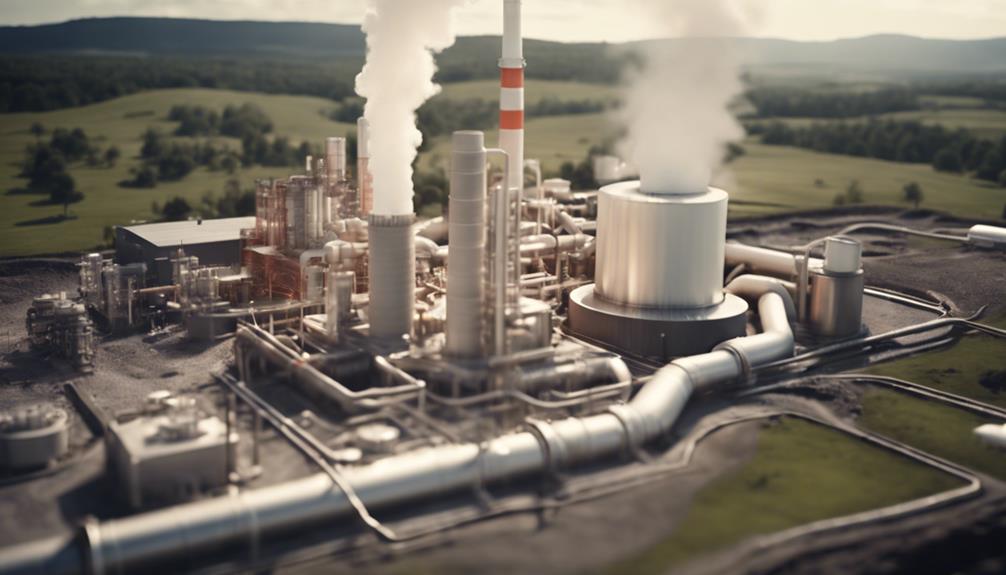
Utilizing the Earth's heat to generate electricity involves various methods in power plant operations. Geothermal power plants tap into the Earth's heat reservoirs to produce electricity. Three common techniques include dry steam plants, flash steam plants, and binary cycle plants.
In these plants, water or steam from geothermal reservoirs drives turbines connected to generators, converting heat energy into electrical power.
Geothermal power plants are known for providing stable baseload electricity, delivering a consistent power supply 24/7. This renewable electricity source is sustainable and emits considerably fewer greenhouse gases compared to fossil fuel-based generation.
Geothermal resources are abundant in the U.S., with California being a leader in installed geothermal capacity. The state's geothermal power plants play an essential role in contributing to its renewable energy mix and reducing carbon emissions. By harnessing the Earth's natural heat, geothermal energy continues to be a sustainable and reliable source of electricity generation.

Residential Geothermal Systems: Heating and Cooling Using the Ground Below
Used Book in Good Condition
As an affiliate, we earn on qualifying purchases.
As an affiliate, we earn on qualifying purchases.
Frequently Asked Questions
What Are the 3 Main Ways to Use Geothermal Energy?
You can utilize geothermal energy for heating buildings through hot water, efficient heating and cooling with geothermal heat pumps, and generating electricity using hot steam or water to drive turbines. Geothermal energy offers diverse applications.
What Are Five Uses of Geothermal Energy?
You know geothermal energy is like a versatile toolbox. It heats buildings, powers heat pumps, runs power plants, drives dry steam plants, and fuels flash steam plants. It's a powerhouse of sustainability!
What Are 3 Possible Uses of Geothermal Energy in a Home?
In your home, geothermal energy can be harnessed for heating, cooling, and water heating. This eco-friendly solution utilizes underground resources to reduce costs, increase energy efficiency, and promote sustainable living practices.
What Are 10 Uses for Geothermal Energy?
When considering the various uses for geothermal energy, explore options like direct heating for buildings, efficient heat pumps, and electricity generation at power plants. Geothermal energy offers sustainable and reliable solutions for diverse applications.
How Are the 3 Main Uses of Geothermal Energy Implemented in Current Applications?
1. The first geothermal energy use location is for electricity generation. This is implemented through power plants that utilize the Earth’s heat to produce electricity. 2. The second geothermal energy use location is for heating applications. This includes using the natural heat from the Earth to warm buildings, greenhouses, and other facilities. 3. The third geothermal energy use location is for industrial processes, such as drying crops or pasteurizing milk, where the Earth’s heat is used directly in the production process.
Conclusion
To sum up, geothermal energy has three main uses: heating, cooling, and electricity generation.
It's like a versatile Swiss army knife, providing a reliable and sustainable source of power for a variety of needs.
So next time you think about energy options, consider the endless possibilities that geothermal energy can offer.