
AIThis post was created with the assistance of artificial intelligence (AI).
TL;DR

Prime Big Deal Days · Oct 6–7Offer from Amazon
Get garden gear delivered free — and shop member deals
- Fast, free delivery on millions of items
- Access to Prime Big Deal Days deals on October 6–7
- Prime Video, Amazon Music and more included
Start your free Prime trial Free trial for eligible customers · Cancel anytime
As an affiliate, we earn on qualifying purchases.
When a tree from one property falls into a neighbor’s yard, liability depends on factors like the tree’s health and maintenance. This article explains current legal standards and what homeowners need to consider to protect themselves.
At a glance
reportWhen: developing; current legal guidelines an…
The developmentA common property issue—fallen trees causing damage—is raising questions about liability and homeowner responsibilities, especially before storm season.
Implications for Homeowners Before Storm Season
Understanding liability for fallen trees is crucial for homeowners to protect themselves financially and legally. With storm season increasing the risk of falling trees, knowing the legal standards and maintaining trees properly can prevent costly disputes and insurance claims. This knowledge helps homeowners mitigate risks and prepare for potential damages, ensuring they are not caught unprepared when storms strike.Amazon
As an affiliate, we earn on qualifying purchases.
Legal Standards and Recent Court Rulings on Tree Liability
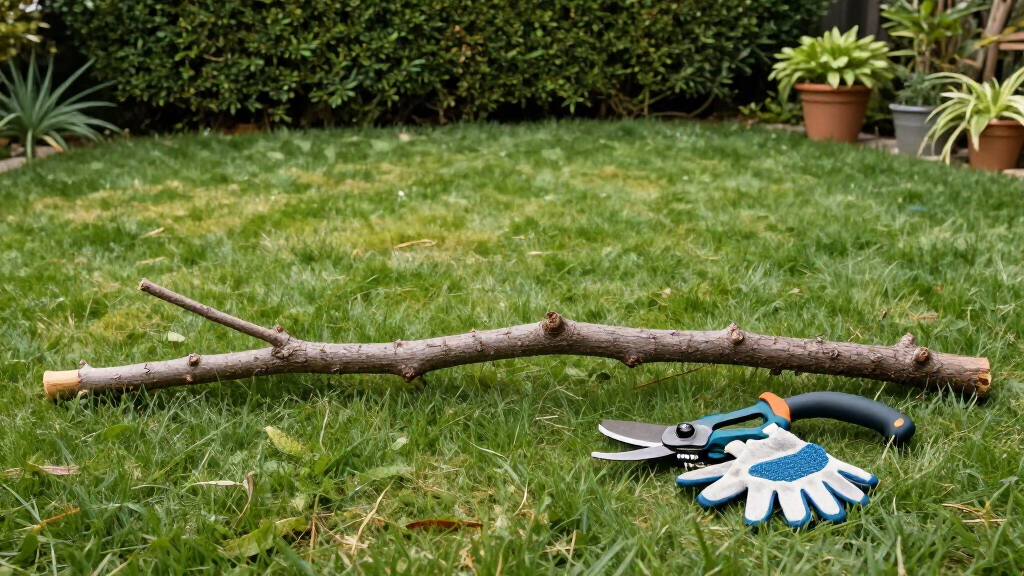
Liability for fallen trees varies by jurisdiction but generally depends on the tree’s condition and maintenance history. Courts have recently emphasized the importance of homeowners inspecting trees regularly, especially those near property lines. Cases have shown that if a tree was diseased or visibly hazardous and the owner failed to act, they could be held liable for damages. Conversely, if the tree was healthy and the owner had no reason to suspect danger, liability is less likely. Insurance coverage for fallen trees also plays a role, with some policies covering damage caused by storms and falling debris. Local laws may impose specific responsibilities for tree maintenance, making legal advice advisable for homeowners.Legal Variations and Unresolved Liability Cases
It is still unclear how courts will rule in specific cases where the tree’s health status was borderline or where maintenance history is incomplete. Local laws and insurance policies also vary, creating uncertainty about liability in some jurisdictions. Ongoing legal cases may set new precedents that could influence future liability standards.Upcoming Legal and Insurance Developments
Legal experts expect courts to continue clarifying liability standards, especially as climate change increases storm frequency and severity. Homeowners should review local laws and their insurance policies now to prepare. Authorities may also issue new guidelines on tree maintenance responsibilities before storm season begins. Monitoring ongoing legal cases will provide further insight into liability thresholds.Key Questions
Who is responsible if my tree falls into my neighbor’s yard and damages their property?
Responsibility depends on whether the tree was maintained properly and whether it posed a known hazard. If the tree was healthy and well-maintained, liability may not apply. If it was diseased or neglected, the owner could be liable.Does my insurance cover damages caused by a falling tree?
Many homeowners’ insurance policies cover damage from fallen trees, but coverage varies. It’s important to review your policy and confirm whether storm-related damages are included.What should I do to prevent liability for falling trees?
Regularly inspect and maintain trees on your property, especially those near property lines. Remove dead or diseased limbs and consult with arborists if needed. Keep records of maintenance activities.Are there legal differences based on location?
Yes, liability standards and laws vary by jurisdiction. Some areas have specific ordinances regarding tree maintenance and liability, so local legal advice is recommended.What happens if a tree falls during a storm and causes damage?
If the tree was healthy and properly maintained, liability is less likely. However, if the owner was negligent or aware of hazards, they could be held responsible for damages caused during storms.Source: rss
Fall Picks
fall essentials
fall essentials
As an affiliate, we earn on qualifying purchases.