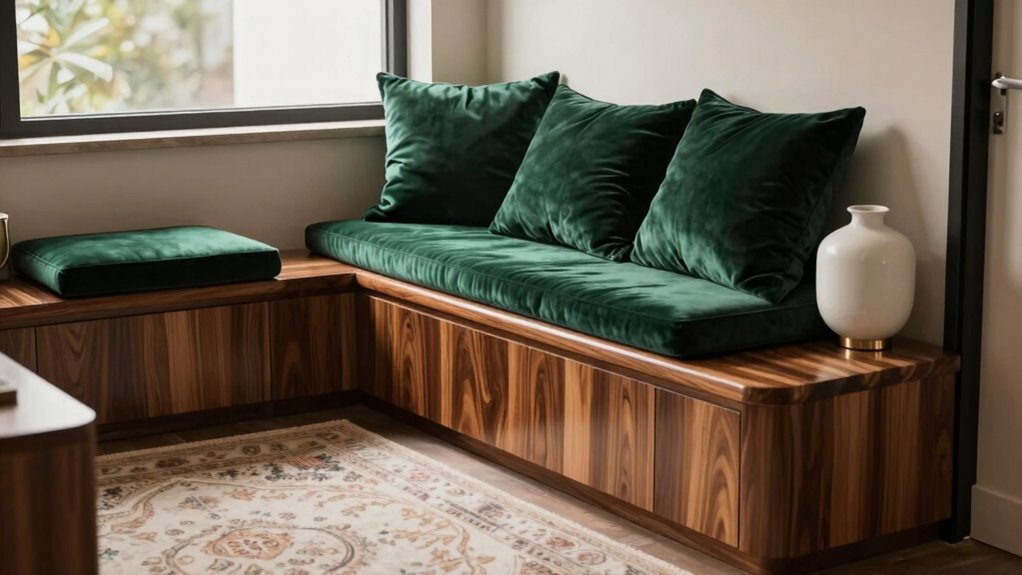

In small rooms, the materials you choose have a bigger impact on how comfortable and functional the space feels. High-quality materials improve insulation, keeping it warm in winter and cool in summer, while also reducing noise and boosting privacy. Because space is limited, every detail matters more, creating a noticeable difference in comfort and style. If you keep exploring, you’ll discover how the right materials can truly transform your small space into a cozy, efficient retreat.

Get garden gear delivered free with Prime
- Fast, free delivery on millions of items
- Prime Video, Amazon Music and more included
- Member-only deals all year
Key Takeaways
- Small rooms are more affected by noise, making high-quality soundproofing materials essential.
- Limited space amplifies the importance of durable, aesthetic materials to maximize functionality.
- Better insulation in small rooms improves thermal regulation, reducing energy costs.
- High-quality materials enhance comfort and privacy in confined spaces.
- Thoughtful material choices significantly boost the room’s overall usability and aesthetic appeal.
In small rooms, the choice of materials can make or break the space’s functionality and aesthetic appeal. When space is limited, every element counts, and the materials you select can influence how comfortable, quiet, and visually pleasing the room feels. High-quality materials aren’t just about looks; they improve practical aspects like acoustic insulation and thermal regulation, which are essential for small spaces.
Acoustic insulation is crucial because, in a confined area, sounds tend to bounce around more, creating noise pollution and reducing privacy. Better materials—such as dense wall panels, soundproof drywall, or specialized insulation—absorb or block noise more effectively. This means you’ll enjoy a quieter environment, whether you’re working, relaxing, or sleeping. When choosing materials, prioritize those with soundproofing qualities to prevent sound transfer from outside or adjacent rooms. This small upgrade can dramatically enhance the room’s comfort and usability, especially if you live in a busy household or an apartment building.
Prioritize soundproofing materials to create a quieter, more private small space.
Thermal regulation is another critical factor in small rooms. Poor insulation lets heat escape during winter and lets heat seep in during summer, forcing your heating or cooling systems to work harder and increasing energy bills. Better materials, like insulated drywall, thermal barriers, or double-glazed windows, help maintain a consistent temperature. This makes the room more comfortable year-round and reduces energy consumption. When you invest in high-quality insulation materials, you’re not just improving comfort—you’re also supporting energy efficiency and lowering costs over time. Understanding the material properties that contribute to insulation and soundproofing can help you make more informed decisions, ensuring your small room is both functional and enjoyable. Additionally, selecting sustainable materials can contribute to healthier indoor air quality and long-term environmental benefits.
In the end, better materials matter even more in small rooms because they directly impact how you experience the space daily. From reducing noise to maintaining a cozy temperature, the right choices elevate both the comfort and the efficiency of your environment. When you pay attention to these details, you turn a tiny room into a well-functioning retreat where every element contributes to a better living experience.
soundproof drywall for small rooms
As an affiliate, we earn on qualifying purchases.
As an affiliate, we earn on qualifying purchases.
Frequently Asked Questions
How Do Material Choices Affect Sound Quality in Small Rooms?
Material choices greatly impact sound quality in small rooms by influencing acoustic treatments and durability. You should select materials that absorb sound effectively, reducing echo and unwanted reflections, which enhances clarity. Durable materials ensure long-lasting acoustic solutions, especially in tight spaces where wear and tear can be higher. Opting for high-quality, well-designed materials helps create a balanced sound environment, making your small room more functional and pleasant for listening, recording, or relaxing.
Are Eco-Friendly Materials Better for Small Room Environments?
Think of eco-friendly materials as a gentle breeze in a small room—they improve the environment without overwhelming it. Yes, natural finishes and sustainable options are often better for small spaces because they reduce indoor toxins and enhance acoustics. For example, using cork or reclaimed wood can soften sound reflections, creating a more balanced atmosphere. Choosing eco-friendly materials makes your space healthier and more harmonious, like a refreshing gust.
What Are the Most Cost-Effective Materials for Small Spaces?
You’ll find that cost-effective materials like laminate flooring, painted drywall, and peel-and-stick tiles work well in small spaces. They’re affordable, durable, and easy to install. When choosing materials, focus on durability to guarantee longevity and pick light or neutral colors to make the room feel larger. These options balance budget and quality, helping you maximize your small room’s potential without sacrificing style or resilience.
How Do Materials Influence the Room’s Overall Aesthetic?
Materials directly influence your room’s aesthetic through texture contrast and color coordination. You can create visual interest by mixing smooth and rough surfaces, making the space feel dynamic. Choosing materials that complement each other’s colors helps unify the room, making it look cohesive and thoughtfully designed. Good materials elevate small spaces, making them feel more spacious and inviting, all while reflecting your personal style with intentional texture and color choices.
Can Upgraded Materials Improve Insulation in Small Rooms?
Yes, upgraded materials can improve insulation in small rooms. Choosing materials with high thermal resistance helps keep the room warm in winter and cool in summer. Durable materials also last longer and maintain their insulating properties over time, preventing drafts and energy loss. By selecting high-quality, insulating materials, you enhance comfort and energy efficiency, making your small room more livable and cost-effective.
Conclusion
Choosing better materials in small rooms is like planting a sturdy tree in a tiny garden—you get more resilience and beauty in a limited space. When you invest in quality, your room feels more inviting, durable, and easier to maintain. It’s a smart move that transforms compact areas into cozy, stylish retreats. So, don’t settle for less; think of your small room as a canvas where premium materials make every inch count and shine.
Columbus Day / Indigenous Peoples' Day Picks
long weekend sales
As an affiliate, we earn on qualifying purchases.