TL;DR
Gardeners have until the end of August to prune six specific plants to promote healthy growth and prevent problems next year. This is a critical window for effective pruning, according to horticultural experts.
Horticultural specialists emphasize that pruning these six plants before the end of August is crucial for maintaining their health and vitality. The targeted plants include roses, hydrangeas, fruit trees, viburnum, lilacs, and lavender. Proper pruning now ensures better air circulation, disease prevention, and stronger growth for the following year, according to the American Horticultural Society.
Experts warn that delaying pruning beyond August can result in overgrown or diseased plants that are more difficult to manage and may produce fewer flowers or fruits. The timing is especially important for flowering plants like lilacs and hydrangeas, which set buds for next year’s bloom in late summer or early fall.
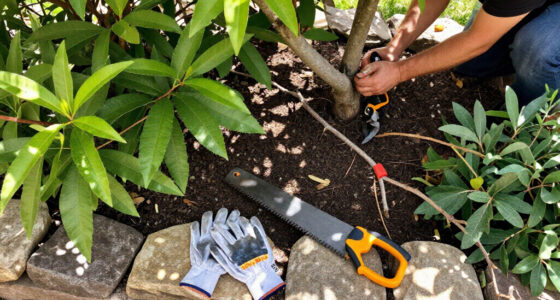
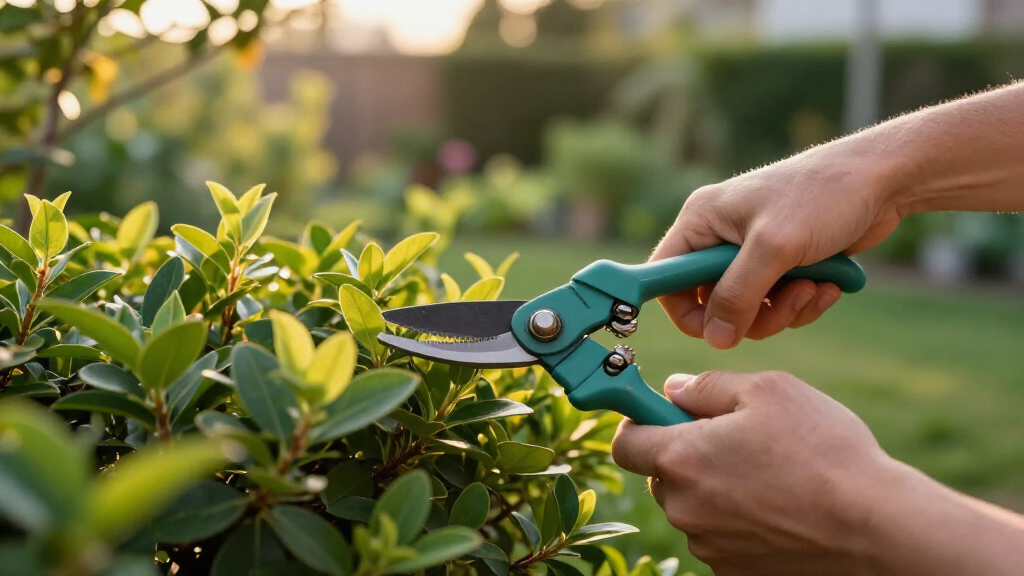
Gardening organizations recommend using clean, sharp tools and following specific pruning techniques tailored to each plant species to avoid damage and promote healthy regrowth. The advice applies to both amateur and professional gardeners aiming for optimal garden health.
Impact of Timely Pruning on Garden Health and Yield
Completing pruning before the end of August is vital for ensuring healthy plant growth, flowering, and fruit production in the upcoming year. Proper pruning reduces the risk of disease, improves air circulation, and encourages vigorous growth, which benefits both amateur and professional gardeners. Missing this window could result in overgrown, weak, or diseased plants that are harder to manage and less productive next season.
As an affiliate, we earn on qualifying purchases.
August as the Critical Pruning Window for Garden Plants
August is recognized by horticultural experts as the last practical month for pruning several key garden plants. This period aligns with the plants’ growth cycle, allowing wounds to heal before winter and buds to develop for next year’s flowering or fruiting. Historically, neglecting timely pruning has led to diminished garden productivity and increased plant health issues.
Previous gardening advice from organizations like the Royal Horticultural Society emphasizes August’s importance for pruning deciduous shrubs and fruit trees to ensure proper development and flowering in the following season.
Uncertainties About Specific Pruning Techniques and Timing
While the general advice is clear, specific pruning techniques for each of the six plants may vary depending on local climate and plant variety. It is not yet confirmed whether all regions should follow the same timeline or if some plants require slightly different timing.
Additionally, some gardeners question whether pruning during heatwaves or drought conditions could harm plants, though experts suggest waiting for cooler, wetter periods when possible.
Next Steps for Gardeners After August Pruning Deadline
Gardeners should complete pruning of the six targeted plants before the end of August. After pruning, ongoing care includes watering, mulching, and monitoring for pests or disease. For plants that were not pruned this month, experts recommend consulting local horticultural advice to determine if late pruning is still beneficial or if waiting until early fall is better.
Further guidance from gardening authorities will likely focus on post-pruning care and preparing plants for winter dormancy.
Key Questions
Which six plants should I prune before August ends?
The six plants are roses, hydrangeas, fruit trees, viburnum, lilacs, and lavender.
Why is August the last month for pruning these plants?
August aligns with the plants’ growth cycle, allowing wounds to heal before winter and buds to develop for next year’s flowering or fruiting, according to horticultural experts.
What are the risks of delaying pruning beyond August?
Delaying can lead to overgrowth, increased disease risk, fewer flowers, and weaker plant health overall.
Can I prune these plants in September or later?
While some late pruning might be possible, experts recommend completing the task in August to ensure optimal health and flowering for next year.
What tools should I use for pruning?
Use clean, sharp pruning shears or saws, depending on the plant size, and follow specific techniques for each plant to avoid damage.
Source: rss