TL;DR

Get garden gear delivered free — and shop member deals
- Fast, free delivery on millions of items
- Access to Prime Big Deal Days deals on October 6–7
- Prime Video, Amazon Music and more included
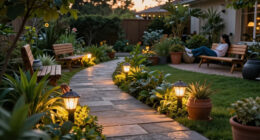
Solar-powered garden lights collect sunlight during the day, store energy in rechargeable batteries, and automatically light up your yard at night. Proper placement, maintenance, and understanding their limits ensure they work best, saving you money and reducing environmental impact.
Imagine walking into your garden after sunset, illuminated by gentle, flickering lights that don’t add to your electricity bill. That’s the magic of solar-powered garden lights. These eco-friendly options use sunlight during the day to light up your outdoor space at night, blending beauty with sustainability.
If you’re tired of tangled wires and high energy bills, understanding how these lights work can help you choose the right models and get the most out of them. From placement tips to maintenance, this guide covers everything you need to turn your yard into a glowing oasis with minimal fuss.
Place your solar lights where they get at least 4-6 hours of direct sunlight daily for best performance.
Regularly clean the panels and replace batteries to keep your lights shining longer.
Choose the right brightness and style based on your outdoor needs—decorative, pathway, or security.
Weather resistance matters—look for IP ratings and avoid assuming resistance covers all conditions.
Smart features can add flexibility but weigh the extra cost against your needs and budget.
How Do Solar Garden Lights Actually Work?
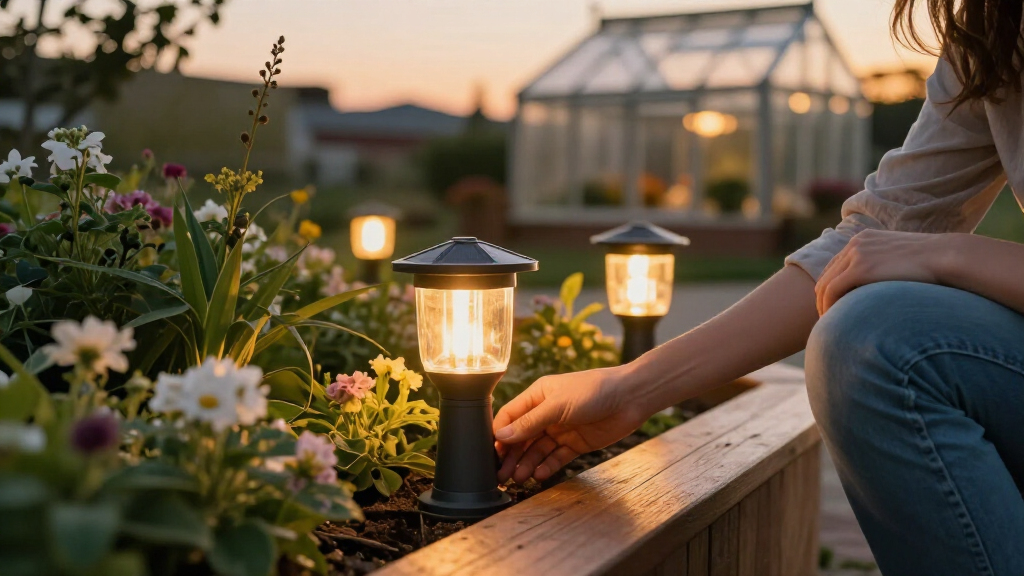
At their core, solar garden lights are simple but clever devices. They collect sunlight during the day using a small photovoltaic panel—think of it as a tiny solar farm on a stick. This panel converts sunlight into electrical energy, storing it in a rechargeable battery.
Understanding this process reveals why placement is so crucial: the efficiency of the panel directly impacts how much energy is stored and, consequently, how long and how brightly the lights will shine at night. If the panel is shaded or dirty, it can’t produce enough energy, leading to shorter illumination periods or dimmer lights. This tradeoff emphasizes the importance of choosing a location with optimal sun exposure.
When night falls, a light sensor detects darkness and automatically turns the LEDs on. The stored energy powers the lights until the battery runs out, which usually happens after a few hours of steady use. The process is silent, clean, and requires no wiring—perfect for DIY garden projects.
For example, a well-positioned stake light on your garden path can glow softly for 8-10 hours after a sunny day, creating a welcoming walkway without any electrical hassle. However, if the panel is poorly placed or obstructed, that runtime can be significantly reduced, affecting your garden’s nighttime ambiance and safety.
Why does this matter? The performance of your solar lights depends heavily on how well they convert and store sunlight. Proper placement ensures they gather enough energy to last through the night, especially during winter or cloudy days when sunlight is limited. Conversely, poor placement can lead to inconsistent lighting, which can diminish the aesthetic appeal and safety of your outdoor space. This tradeoff means you might need to invest a bit more time in planning, but the payoff is reliable, eco-friendly illumination that requires minimal ongoing effort.
As an affiliate, we earn on qualifying purchases.
Placement Secrets: Getting Your Solar Lights to Shine All Night
The key to long-lasting, bright solar lights is placement. Your panels need plenty of direct, unobstructed sunlight—at least 4-6 hours during peak hours—to charge fully. Shade from trees, buildings, or even nearby structures can drastically cut their runtime, which can compromise the safety, aesthetics, and functionality of your outdoor lighting.
Imagine a cozy corner of your garden tucked under a large oak. If you place a solar light there, it might glow weakly or flicker early in the evening. This isn’t just an annoyance; it can create uneven lighting, leaving parts of your yard poorly illuminated and potentially unsafe. Proper placement ensures consistent performance, which is why facing panels south or west—depending on your hemisphere—is recommended to maximize sun exposure.
But why is correct positioning so critical? Because solar panels are the primary energy collectors—they determine how much sunlight is captured and converted. If shaded or dirty, they produce less energy, leading to shorter runtime and dimmer light output. This can result in a frustrating experience where your garden looks well-lit at first but quickly loses brightness as the batteries deplete. The tradeoff? Investing time in strategic placement can significantly enhance the longevity and brightness of your lights, making your outdoor space safer and more inviting at night.
Regular cleaning of the panels is also vital—dirt, debris, or snow can block sunlight, reducing efficiency. Neglecting this maintenance can cause performance dips over time, especially during seasons with more precipitation or leaf fall. For tricky spots, connecting a separate panel via cable to position it in direct sunlight while keeping the fixture in a shaded or aesthetically pleasing location can be a smart tradeoff—initially more complex but highly effective for consistent performance.
In practice, someone installed string lights along a fence with panels facing south on a clear, sunny day. They enjoyed 12 hours of glittering light, even through chilly nights. Conversely, poor placement or shading could shorten this period to just a few hours, diminishing your garden’s nighttime charm and utility. The tradeoff here is between ease of installation and performance—proper placement might require some planning, but it ensures your lights work reliably every night, enhancing safety, beauty, and energy efficiency.
How Long Do They Last and Can You Replace the Batteries?
Most solar garden lights use rechargeable batteries, typically NiMH or lithium-ion. These batteries store the power collected during the day. Over time, their capacity diminishes—usually after 2-3 years of regular use—leading to shorter runtimes and dimmer lights. This decline impacts not just aesthetics but also safety, as insufficient lighting may fail to illuminate pathways or features properly.
Why does this matter? Because as batteries age and lose capacity, your lights won’t shine as long or as brightly, which can undermine the purpose of your outdoor lighting—whether it’s safety, security, or ambiance. A fixture that initially provides 10 hours of light may only give 4-6 hours after a couple of years, leaving you with dim or inconsistent illumination. This tradeoff is significant because it affects your outdoor experience and safety, especially during longer evenings or winter months when lighting is most needed.
Fortunately, many lights allow you to replace the batteries yourself, which can restore performance and extend the fixture’s lifespan. This is a cost-effective alternative to replacing entire fixtures and reduces environmental waste. Regularly replacing batteries before they completely fail ensures your lights maintain optimal brightness and runtime, avoiding sudden outages that can disrupt outdoor activities or compromise safety.
Checking your product manual for the specific battery type is essential—NiMH batteries are usually straightforward to swap, and lithium-ion replacements can be found at most electronics or hardware stores. The tradeoff? Neglecting battery maintenance results in progressively poorer performance, forcing you to replace entire fixtures sooner. Proper maintenance—testing, cleaning contacts, and timely replacement—ensures your garden remains well-lit and safe, especially during seasons with limited sunlight. This proactive approach maximizes your investment and keeps your outdoor space inviting and secure for years.
Are Solar Lights Bright Enough for Your Garden Tasks?
When choosing solar garden lights, brightness matters. Measured in lumens, it indicates how much light they produce. For decorative accents, 10-50 lumens is usually enough, creating a gentle glow that enhances ambiance without overpowering. For pathways or steps, aim for 50-100 lumens to ensure safety and visibility. Choosing the right brightness ensures that your lighting serves its intended purpose—whether to delight or to illuminate for safety.
But why does this matter? Because insufficient brightness can make your outdoor space look dull or unsafe, while overly bright lights can be harsh and intrusive. Balancing these factors involves understanding your needs and the tradeoffs involved. For example, a garden that relies on subtle mood lighting might use lower-lumen fixtures to create a cozy atmosphere but might need brighter options for walkways or steps to prevent accidents. The tradeoff here is between aesthetic softness and functional visibility—choosing the correct lumen level ensures your lighting fulfills its role effectively without compromising the ambiance.
Compare this: a homeowner used small solar path lights (around 20 lumens) along a garden walkway. They created a subtle, enchanted effect that was enough to see where to step but not to read or do detailed work. However, if you need brighter lighting for security or outdoor work, consider models with higher lumens or multiple lights spaced evenly. Remember, beam direction and spread also influence how effective the light feels, so choose fixtures with adjustable heads or focused beams when needed. The tradeoff? Higher lumens often mean higher cost and shorter battery life, so select based on your priorities—safety versus ambiance.
Ultimately, matching your lighting’s brightness to its purpose and placement ensures you get the right ambiance and safety, avoiding under- or over-illumination that can detract from your garden’s appeal or utility.
Weather Resistance: Will Your Lights Survive Rain and Cold?
Most solar lights are designed to handle some weather, but understanding their limitations is crucial. Look for an ingress-protection (IP) rating—IP65 or higher is good for rain, snow, and splashes. However, even with high ratings, not all models withstand extreme conditions like flooding or deep freezing. The durability of your lights depends on both their construction and proper maintenance.
Why does this matter? Because choosing a weather-resistant fixture is only part of the equation. The tradeoff involves maintenance and proper care—covering or storing your lights during severe weather, regularly inspecting for damage, and ensuring seals remain intact. For example, a set of solar spotlights with IP66 rating survived a heavy snowstorm without losing brightness or functionality, demonstrating the importance of selecting quality, weather-rated fixtures. Conversely, neglecting weather considerations or ignoring routine maintenance can lead to premature failure, corrosion, or electrical issues, increasing costs and reducing reliability. The implication? Proper selection combined with routine upkeep ensures your lights provide consistent, safe illumination year-round, making your investment more worthwhile and your outdoor space more dependable.
Light Color and Glare: Creating a Cozy or Bright Atmosphere
Solar lights come in warm white, cool white, and sometimes color-changing options. Warm white (around 2700K) feels cozy, like candlelight, perfect for relaxing gardens and intimate gatherings. Cooler whites (around 5000K) seem brighter and more energizing, making them suitable for security zones or task lighting.
Why does this matter? Because light color influences not just the mood but also how the space is perceived and used. Warm white creates a relaxing, inviting environment that encourages unwinding, while cool white can add a crisp, alert feel that’s ideal for functional areas. The tradeoff? Warm white tends to diffuse more softly, reducing glare and creating a cozy ambiance, but might be perceived as less bright. Cool white can produce more glare if fixtures aren’t shielded properly, which can be uncomfortable for eyes or intrusive to neighbors. Thoughtful fixture placement and shielding—such as downward-facing, shielded designs—can mitigate glare, ensuring your lighting enhances the atmosphere without causing discomfort or light pollution. The implication? The choice of color temperature and fixture design directly affects the comfort, aesthetics, and neighborliness of your outdoor lighting, so consider your specific needs and environment when selecting lights.
Maintenance Tips to Keep Your Solar Lights Shining Bright
Keeping your solar lights in top shape is simple but essential for sustained performance. Regularly cleaning the solar panel with a damp cloth removes dirt, leaves, or bird droppings that block sunlight, ensuring maximum energy absorption. This simple step can significantly boost efficiency and prolong the lifespan of your lights. Additionally, inspecting connections and mounting points for corrosion or damage helps prevent failures. If a light isn’t working properly, check and replace the battery as needed—this can restore brightness and runtime without the expense of replacing the entire fixture.
During winter, remove or cover the lights if they aren’t rated for freezing temperatures, and store them indoors or in a sheltered spot to prevent damage from ice, snow, or extreme cold. Regular maintenance not only keeps your lights functioning optimally but also extends their lifespan, saving money over time. For example, a gardener noticed her string lights dimming after a rainy season. A thorough cleaning and battery replacement restored their glow, saving her from replacing the entire set and ensuring her garden remained inviting and safe after each season.
By incorporating these routine checks and cleaning routines, you ensure your solar lighting remains reliable, beautiful, and functional for years to come.
The Latest Trends in Solar Garden Lights
Innovation keeps pushing solar lights further. Today, expect brighter LEDs, larger or adjustable solar panels, and smarter controls. Some models offer dimming options, motion sensors, or app connectivity. These advancements enhance convenience, energy efficiency, and customization, allowing you to tailor lighting to your mood or activity.
Why does this matter? Because staying informed about current trends enables you to select fixtures that not only meet your aesthetic preferences but also incorporate the latest technology for energy savings and ease of use. For example, smart controls can adapt lighting based on your schedule or presence, reducing waste and extending battery life. The tradeoff? New features often come with higher costs and complexity, so weigh your needs carefully before investing. The implication? By understanding these innovations, you can make smarter choices that improve your outdoor experience and future-proof your investment, ensuring your garden lighting remains both functional and stylish in the years to come.
Should You Go for String, Path, or Spot Lights?
Each type of solar light serves a different purpose and offers unique advantages. String lights create a festive, whimsical vibe, perfect for decorating pergolas or trees. Path lights highlight walkways and borders, providing safety and guiding guests. Spotlights focus on specific features or plants, creating focal points and visual interest.
Why does this matter? Because choosing the right type of light affects not only the aesthetic appeal but also the functionality and safety of your outdoor space. For instance, string lights add ambiance but may not provide sufficient illumination for pathways, while spotlights can highlight features but might be too harsh if not properly directed. The tradeoff involves balancing decorative appeal with practical illumination needs—selecting the appropriate style ensures your outdoor environment is both beautiful and safe. Understanding these differences allows you to design a layered, cohesive lighting scheme that enhances your garden’s character while meeting safety standards.
Compare their features in this simple table:
| Type | Best for | Brightness | Typical Coverage | Flexibility |
|---|---|---|---|---|
| String Lights | Decorative, ambient glow | 10-20 lumens per bulb | Wide, across structures | Very flexible, hang anywhere |
| Path Lights | Walkways, borders | 50-100 lumens | Short to medium distances | Fixed stake, some adjustable |
| Spotlights | Feature illumination | 150-300 lumens | Focused, small area | Directional, adjustable |
Matching your lighting type to your garden’s needs and your style preferences ensures a cohesive and effective outdoor lighting plan, enhancing both beauty and safety.
Smart Features and Future Looks
Smart solar lights are becoming more common, offering app control, remote adjustment, and integration with home automation. Imagine setting your garden lights to dim at midnight or turning them on via voice commands, creating a seamless and customizable outdoor experience.
Some newer models include dimming modes, motion sensors that activate lights only when needed, and customizable color options. These features add convenience, energy savings, and aesthetic versatility, but they can also increase the initial investment and complexity of setup.
Why does this matter? Because integrating smart features can significantly enhance your outdoor lighting experience by providing greater control and efficiency. For example, a homeowner linked her solar lights to her smart home system, creating automated lighting scenes that respond to her routines. The tradeoff? Higher upfront costs and the need for compatible technology. The implication? Embracing these innovations allows you to enjoy a more adaptable, energy-efficient, and high-tech garden, making your outdoor space more functional and enjoyable with minimal effort.
Frequently Asked Questions
How long do solar garden lights stay on after a sunny day?
Most lights stay on for 8-12 hours after a full, sunny day, but this can vary based on battery condition, weather, and the light’s settings. Cloudy days or winter reduce runtime, so plan accordingly.
Can solar lights work in shaded areas?
They can, but less effectively. Panels in bright shade charge more slowly. For shaded spots, consider a separate panel mounted in sunlight connected to the fixture by cable.
Are solar garden lights waterproof enough for winter?
Many are rated IP65 or higher, suitable for rain and snow. However, extremely cold temperatures or flooding may damage some models. Regular checks and winter storage can prolong their life.
How do I replace the batteries in my solar lights?
Check your manual for the battery type. Usually, you remove the cover, swap out the worn battery with a compatible one, and reassemble. This simple step can extend your lights’ lifespan significantly.
Conclusion
Solar garden lights are a simple, eco-friendly way to add charm and safety to your outdoor space. With a little planning and maintenance, they can transform your yard into a glowing retreat—without wiring or high energy bills.
Think about where you want the light and how much brightness you need. Then, enjoy the soft glow that comes from collecting sunlight during the day and shining at night—nature’s own energy source lighting your way.
Fall yard work Picks
leaf blowers
As an affiliate, we earn on qualifying purchases.