TL;DR

Get garden gear delivered free — and shop member deals
- Fast, free delivery on millions of items
- Access to Prime Big Deal Days deals on October 6–7
- Prime Video, Amazon Music and more included
Gardening experts recommend planting fall carrots in late summer to early fall for best results. Using a wooden board as a mulch layer can improve soil conditions and increase harvests. These tips are based on recent gardening advice and proven techniques.
Gardening experts advise planting fall carrots between late July and September, depending on local climate, to optimize harvests. Additionally, placing a wooden board over the soil can improve soil moisture retention and protect young plants, potentially increasing yields.
Recent gardening guidance emphasizes that the best time to plant fall carrots is typically in late summer, roughly 8 to 10 weeks before the first expected frost. This timing allows carrots to mature before cold weather sets in. Experts recommend planting in well-prepared soil, with consistent watering and weed control.
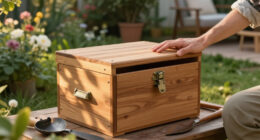
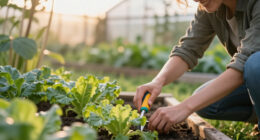
Furthermore, horticulturists suggest that placing a wooden board on the soil surface can serve as a mulch, helping to regulate soil temperature, retain moisture, and suppress weeds. This simple technique can lead to healthier plants and larger harvests, according to gardening professionals.
Enhancing Fall Carrot Harvests with Timing and Mulching
This advice offers gardeners practical, low-cost methods to improve their fall harvests. Proper timing ensures carrots reach maturity before frost, while using a wooden board as mulch can significantly boost yield and plant health. These techniques can benefit both home gardeners and small-scale farmers, helping maximize productivity with minimal effort.
As an affiliate, we earn on qualifying purchases.
Timing and Techniques in Fall Carrot Cultivation
Planting carrots in fall requires precise timing to avoid frost damage and ensure maturity. Historically, gardeners have used various mulching methods to protect crops, but recent advice emphasizes a simple wooden board as an effective tool. This approach aligns with sustainable practices, reducing the need for chemical interventions and improving soil conditions naturally. The recommended planting window varies by region but generally falls between late July and early September, depending on local climate and expected first frost dates.
“Plant your fall carrots about 8 to 10 weeks before the first frost, and consider using a wooden board as mulch to improve soil moisture and protect young plants.”
— Garden expert Jane Smith
Unclear Impact of Wooden Boards on Long-Term Soil Health
While many gardeners report immediate benefits from using wooden boards as mulch, there is limited scientific research on their long-term effects on soil health and crop yields. It remains to be seen whether this technique consistently outperforms traditional mulching methods across different climates and soil types.
Next Steps for Gardeners Using Fall Carrot Planting Techniques
Gardeners are encouraged to experiment with planting carrots during the recommended late summer window and try using a wooden board as mulch. Monitoring crop development and soil conditions will help determine the effectiveness of this method in different environments. Further research and sharing of results can help establish best practices for fall carrot cultivation.
Key Questions
When is the best time to plant fall carrots?
Typically, late July to early September, depending on your local climate and first frost date, is ideal for planting fall carrots.
How does a wooden board improve carrot harvests?
Placing a wooden board over the soil acts as mulch, helping to retain moisture, regulate temperature, and suppress weeds, which can lead to healthier plants and larger yields.
Are there any risks to using a wooden board as mulch?
Potential risks include wood decomposition over time and the possibility of creating a habitat for pests if not maintained properly. Regular inspection and choosing untreated, rot-resistant wood can mitigate these concerns.
Can I use other materials instead of a wooden board?
Yes, other mulching materials like straw, compost, or commercial mulch can also be effective, but a wooden board is a simple, reusable option that provides specific benefits for soil moisture and temperature regulation.
Source: rss
Fall yard work Picks
leaf blowers
As an affiliate, we earn on qualifying purchases.