TL;DR

Get garden gear delivered free — and shop member deals
- Fast, free delivery on millions of items
- Access to Prime Big Deal Days deals on October 6–7
- Prime Video, Amazon Music and more included
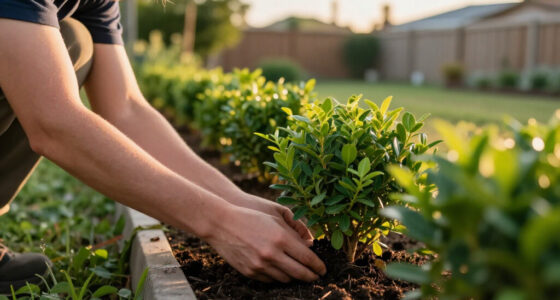
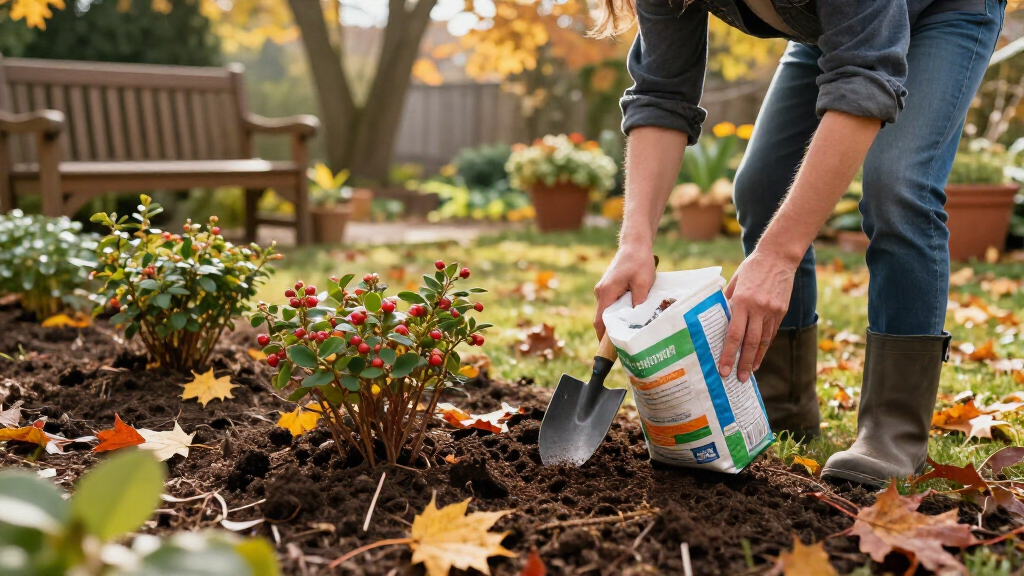
A gardening trend highlights the importance of adding a secret extra to planting holes when planting shrubs or perennials in fall. Experts suggest this step can improve plant survival, sparking increased interest among gardeners.
A gardening expert has revealed that adding a secret extra to the planting hole significantly improves the survival and health of shrubs and perennials planted in fall. This tip, now gaining widespread attention, could change how gardeners approach autumn planting to ensure better results.
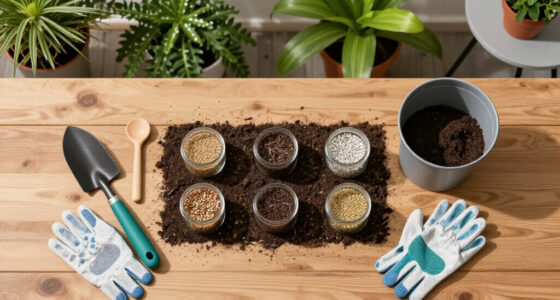
The trend originated from a gardening influencer who shared that, unless they add a specific supplement or material to the planting hole, they avoid planting shrubs or perennials in fall. The exact nature of this ‘secret extra’ remains unconfirmed, but it is believed to involve a soil amendment or nutrient boost. Gardeners adopting this step report higher success rates, especially in areas with challenging soil conditions or unpredictable fall weather.
While the claim is based on anecdotal evidence from individual gardeners and influencers, it has sparked increased search interest and discussion across gardening forums and social media. Experts note that fall planting can be risky due to cooler temperatures and reduced soil activity, making such extra steps potentially beneficial but not universally proven.
Why the Secret Extra Could Transform Fall Planting
This development matters because it suggests a simple, actionable step that could improve plant survival rates during fall planting, a period traditionally considered less ideal for establishing new shrubs and perennials. If validated, this could lead to more successful gardening, less plant loss, and increased confidence among gardeners. The trend also reflects a broader interest in optimizing planting techniques for better results, especially as more people take up gardening as a hobby or for food security.As an affiliate, we earn on qualifying purchases.
Fall Planting Challenges and Growing Interest in Soil Amendments
Fall planting is often avoided by gardeners due to lower soil temperatures, reduced microbial activity, and unpredictable weather, which can hinder root establishment. Traditionally, spring has been the preferred season for planting perennials and shrubs. However, recent years have seen increased interest in extending planting seasons and improving success through soil amendments, composting, and targeted fertilization.
The current trend appears to be driven by social media influencers and gardening enthusiasts sharing their personal techniques. The specific ‘secret extra’ remains unconfirmed but is believed to involve adding organic matter, compost, or specific nutrients directly into the planting hole. This approach aligns with broader gardening practices aimed at improving soil health and plant resilience.
Unconfirmed Details and Need for Scientific Validation
It is not yet clear what exactly the ‘secret extra’ entails, whether it is a specific soil amendment, nutrient, or other material. There is also no scientific study confirming its efficacy, and the trend is based mainly on anecdotal reports and social media posts. Further research is needed to determine if this step reliably improves plant survival in fall planting conditions.Monitoring Adoption and Scientific Testing of the Technique
Gardening experts and researchers are expected to investigate this trend further through controlled studies. Meanwhile, gardeners are advised to experiment cautiously and consider local conditions. As interest grows, more detailed guidance and validation may emerge in the coming planting seasons, potentially leading to wider adoption if proven effective.Key Questions
What exactly is the ‘secret extra’ recommended for fall planting?
The specific material or technique remains unconfirmed; it is believed to involve adding a soil amendment, nutrient, or organic matter directly into the planting hole.
Is this method scientifically proven to improve plant survival?
No, current evidence is anecdotal. More scientific research is needed to validate the effectiveness of this technique.
Can I try this method in my garden now?
Yes, but gardeners should do so cautiously, considering their local soil conditions and climate. It is not a guaranteed solution but may help improve success.
Does this trend apply to all types of shrubs and perennials?
It is unclear if the technique benefits all plant types equally. Most reports focus on common garden shrubs and perennials, but results may vary.
Will this trend become a standard practice?
It remains to be seen. Scientific validation and broader testing are needed before it can be recommended as a standard technique.
Source: rss
Fall yard work Picks
leaf blowers
As an affiliate, we earn on qualifying purchases.