TL;DR

Get garden gear delivered free with Prime
- Fast, free delivery on millions of items
- Prime Video, Amazon Music and more included
- Member-only deals all year
Garden experts recommend pruning seven specific plants in July to promote better flowering next year. Proper timing now can significantly impact future blooms, making this a crucial gardening task.
Gardeners are advised to prune seven specific plants in July to promote healthier and more abundant flowering next year. Experts emphasize that timely pruning now can significantly influence the success of next season’s blooms, making it a critical gardening task during mid-summer.
According to horticultural specialists, seven plants—including hydrangeas, roses, and lavender—should be pruned in July before the growing season ends. Proper pruning involves removing dead or overgrown stems to encourage new growth and better flower production in the following year.
Pruning at this time helps prevent disease, improves air circulation, and shapes the plants for optimal flowering. Experts warn that delaying pruning until later in the season or into fall may reduce the effectiveness of bloom enhancement for next year, as the plants may have already begun forming buds or entering dormancy.
Sources such as gardening associations and experienced horticulturists recommend specific techniques for each plant type, emphasizing that improper pruning can harm the plant’s health and flowering potential. The advice is particularly relevant in regions with distinct seasons, where timing is crucial for maximizing garden productivity.
Why Proper July Pruning Is Critical for Flowering Success
Timely pruning in July directly impacts the number and quality of flowers next season, making it a vital step for gardeners aiming for vibrant gardens. Proper pruning stimulates healthy growth, reduces disease risk, and shapes plants for better light exposure.
Failing to prune at the right time can lead to reduced blooms, increased susceptibility to pests and diseases, and an unkempt appearance. As a result, gardeners who follow expert advice can enjoy a more colorful and thriving garden in the coming year, making this a key seasonal task.
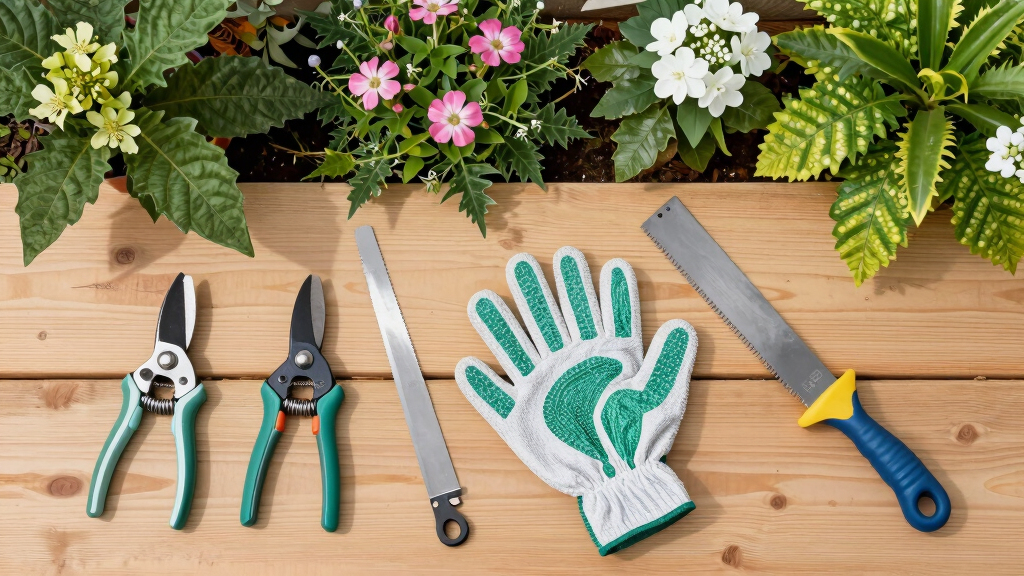
pruning shears for roses and hydrangeas
As an affiliate, we earn on qualifying purchases.
As an affiliate, we earn on qualifying purchases.
July Gardening Tips for Ensuring Next Year’s Blooms
This advice builds on established horticultural practices that recommend pruning during mid-summer for plants that bloom on new wood. Historically, gardeners have observed that pruning at the right time encourages vigorous growth and abundant flowering.
Many gardening guides and horticulturists have emphasized the importance of pruning in July, especially for plants like hydrangeas, roses, lavender, and others that set buds on current year’s growth. The timing aligns with the natural growth cycle, ensuring that plants have enough time to produce new shoots and buds for the next season.
Recent recommendations also stress the importance of using clean, sharp tools and following specific pruning techniques tailored to each plant type to avoid damage and promote healthy regrowth.
“Pruning now is essential for encouraging vigorous growth and ensuring a full, vibrant display of flowers next year.”
— Jane Smith, horticulturist at Garden Experts Inc.
Unclear Which Plants Benefit Most from July Pruning
While experts agree on pruning seven specific plants, it is not yet clear if all garden varieties respond equally well to July pruning or if regional variations influence effectiveness. Some plants may require different timing or techniques based on local climate conditions.
Further research is needed to determine the precise impact of July pruning on various plant species and whether certain varieties might benefit from alternative timing.
Next Steps for Gardeners and Garden Planning
Gardeners should identify their plants and follow specific pruning guidelines for each species. Local gardening centers and horticultural societies may provide region-specific advice to optimize results.
Monitoring plant responses after pruning will help gardeners refine their techniques for future seasons. Experts recommend scheduling pruning activities during mid-summer and checking for signs of healthy new growth as confirmation of success.
In addition, gardeners can prepare for fall planting or other seasonal tasks based on the health and shape of their pruned plants, ensuring a productive garden year-round.
Key Questions
Which plants should I prune in July?
Experts recommend pruning plants such as hydrangeas, roses, lavender, spirea, butterfly bushes, clematis, and certain fruiting shrubs in July to promote next year’s blooms.
Why is July the best time to prune these plants?
Pruning in July aligns with the plants’ growth cycle, encouraging new growth and flower bud formation for the following season, while reducing disease risk.
Can I prune all plants now, or are some better left until later?
Not all plants should be pruned in July. It’s best to follow specific guidelines for each species, as some may require pruning earlier or later in the season.
What tools should I use for pruning?
Use clean, sharp pruning shears or loppers to make precise cuts, reducing plant stress and preventing disease transmission.
What happens if I miss the July pruning window?
Missing the optimal window may result in fewer flowers, weaker growth, and increased vulnerability to pests and diseases. It’s best to prune promptly during July if possible.
Source: rss
Fall Picks
fall essentials
As an affiliate, we earn on qualifying purchases.