
TL;DR

Get garden gear delivered free — and shop member deals
- Fast, free delivery on millions of items
- Access to Prime Big Deal Days deals on October 6–7
- Prime Video, Amazon Music and more included
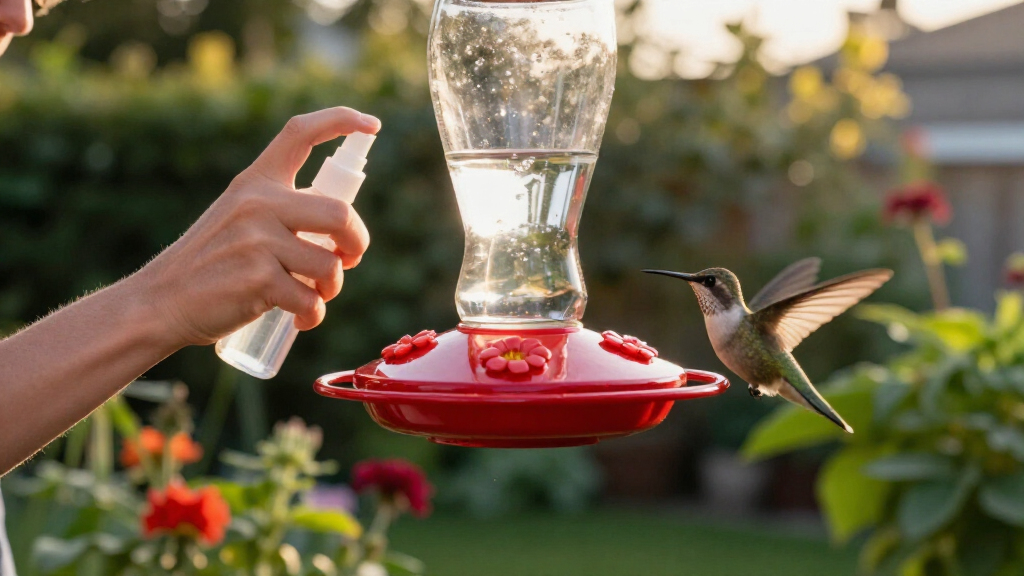
Ants frequently infest hummingbird feeders, but there are five proven, natural solutions to deter them. This guide provides simple, chemical-free methods to keep ants away and ensure hummingbirds have access to their food.
Many hummingbird enthusiasts face the recurring problem of ants invading their feeders, but experts confirm that there are five effective, natural methods to prevent this issue. These solutions help protect the birds’ food source without resorting to chemicals, ensuring a safe environment for hummingbirds.
Ants are common visitors to hummingbird feeders, especially during warm months when nectar is abundant. According to garden experts, five proven, natural solutions include using ant moats, creating physical barriers, applying natural deterrents, adjusting feeder placement, and using homemade ant repellents. These methods are simple to implement and do not harm the birds or the environment.
Ant moats, which are small water-filled devices placed above the feeder, prevent ants from climbing down to access nectar, and are widely recommended by backyard birding specialists. Physical barriers like sticky substances or Teflon tape around the feeder pole can also deter ants effectively. Natural repellents, such as cinnamon or cayenne pepper, have been suggested by some gardeners, though their effectiveness varies. Moving feeders away from ant trails and using homemade solutions like a mixture of dish soap and water can also reduce ant intrusion. Experts emphasize that these methods are safe for hummingbirds and environmentally friendly.
Many bird lovers report success with these techniques, noting a significant decrease in ant activity at feeders after implementation. However, some methods may require regular maintenance or adjustment to be fully effective.
Why Preventing Ants Matters for Hummingbird Feeders
Keeping ants away from hummingbird feeders is important because ants can contaminate nectar, discourage hummingbirds from feeding, and create messes that attract other pests. Effective, natural solutions help maintain a clean feeding environment, support healthy hummingbird populations, and reduce the need for chemical deterrents that could harm the birds or environment. For backyard birders, these methods offer a safe, cost-effective way to enjoy hummingbirds without the nuisance of ants.
As an affiliate, we earn on qualifying purchases.
Background on Ants and Hummingbird Feeders
Ant problems at hummingbird feeders are a common issue during warm months when nectar is readily available. Traditionally, some have used chemical sprays or sticky substances that can pose risks to birds and the environment. Recent advice from gardening and birding experts emphasizes natural, chemical-free solutions, aligning with eco-friendly practices. The use of ant moats and physical barriers has gained popularity in recent years, with many backyard birders reporting success in controlling ant access without harming the hummingbirds.
Effectiveness and Longevity of Natural Deterrents
While many backyard birders report success with these methods, the long-term effectiveness of natural deterrents like cinnamon or cayenne pepper remains uncertain. Variations in environmental conditions and ant species may influence results, and some solutions may require frequent reapplication or adjustments. Scientific studies specifically evaluating these methods are limited, so results can vary based on individual circumstances.
Next Steps for Bird Enthusiasts and Researchers
Bird lovers are encouraged to try these natural solutions and share their experiences to determine which methods work best in different environments. Researchers may conduct controlled studies to evaluate the long-term efficacy of natural deterrents. Meanwhile, manufacturers might develop more durable, eco-friendly ant barriers to improve user convenience and success rates.
Key Questions
Are chemical repellents safe for hummingbirds?
No, chemical repellents can be harmful to hummingbirds and other wildlife. Natural solutions are recommended to ensure safety for the birds.
How often should I check or replace ant deterrents?
Frequency depends on the method used. Ant moats should be refilled as needed, and physical barriers or homemade repellents may require regular maintenance, especially after rain or wind.
Will moving my feeder help reduce ant problems?
Yes, relocating feeders away from ant trails or shaded areas can significantly reduce ant access, especially if placed near natural barriers or away from ground-based ant nests.
Can I use natural deterrents like cinnamon around my entire yard?
While some gardeners suggest using cinnamon or cayenne pepper around feeders, their overall effectiveness is variable. Focused application at the feeder base is usually more effective.
Are these methods suitable for all types of ants?
Most natural deterrents work best against common garden ants, but effectiveness may vary depending on ant species and environmental conditions. Combining methods often yields better results.
Source: rss
Fall yard work Picks
leaf blowers
As an affiliate, we earn on qualifying purchases.