TL;DR

Get garden gear delivered free with Prime
- Fast, free delivery on millions of items
- Prime Video, Amazon Music and more included
- Member-only deals all year
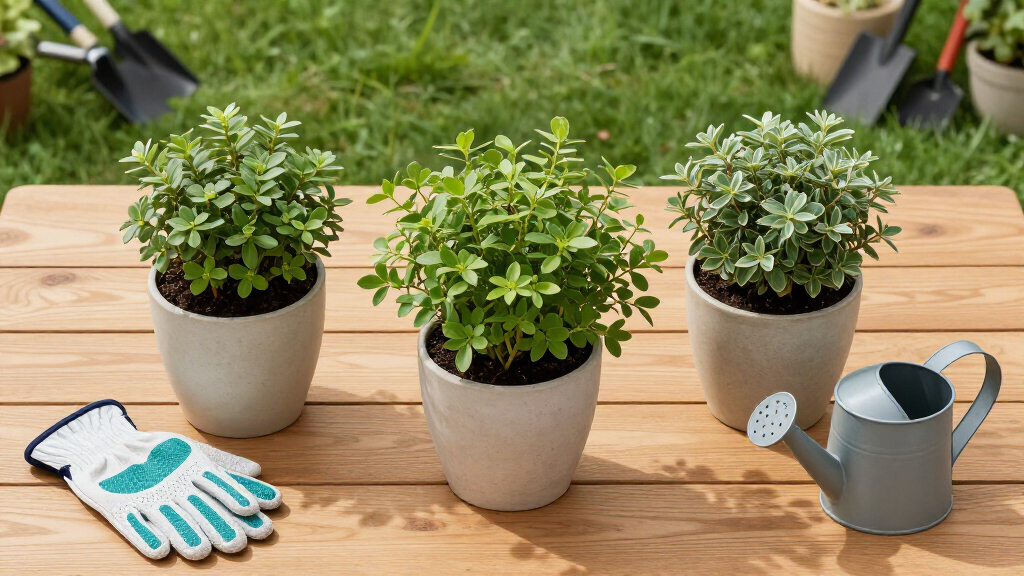
Researchers and landscapers have identified five privacy shrubs that do not become fire hazards in summer. These plants offer a safe alternative to traditional hedges that risk drying out and igniting during hot, dry conditions. The development aims to help homeowners maintain privacy while reducing fire risks.
Scientists and horticulturists have identified five privacy shrubs that do not become fire hazards during the hot, dry summer months. This breakthrough offers homeowners in fire-prone regions a safe alternative to traditional, combustible hedges, helping to reduce the risk of house fires while maintaining privacy.
According to recent horticultural studies, these five shrubs—which include varieties such as Boxwood, Bayberry, Indian Hawthorn, Japanese Privet, and Ceanothus—have shown a lower tendency to dry out and become combustible in summer conditions. Researchers from the University of California and several landscape organizations conducted tests on plant moisture retention and flammability, confirming that these species maintain lush, green foliage during peak heat periods.
Experts emphasize that these plants are not only less likely to ignite but also require minimal maintenance and are suitable for creating privacy screens in residential settings. Local landscapers are already recommending these shrubs as part of fire-safe landscaping strategies for communities in wildfire-prone areas.
Why Fire-Resistant Privacy Shrubs Are a Growing Priority
This development is significant because it offers a practical solution to a pressing safety concern. As wildfires increase in frequency and severity, especially in regions like California and the Southwest, homeowners face the challenge of maintaining privacy without increasing fire risk. Using shrubs that resist drying out and ignition can help reduce property damage and improve community safety.
Moreover, these plants can contribute to more sustainable landscaping practices by requiring less water and fewer chemical treatments, aligning safety with environmental benefits. Fire officials and environmental groups see this as a positive step toward integrating fire-resistant landscaping into urban planning and residential design.
Popular right now

Bose QuietComfort True Wireless Earbuds with Active Noise Cancellation, Black

Ninja CREAMi 7-in-1 Ice Cream Maker, NC301

Samsung 42-Inch S90H OLED 4K Smart TV Bundle
As an affiliate, we earn on qualifying purchases.
Background on Fire-Resistant Landscaping and Plant Selection
Traditional hedges such as cedar, juniper, and certain ornamental plants are known to become highly flammable during summer, especially in drought conditions. Over the past decade, there has been increasing research into fire-resistant landscaping, emphasizing the selection of plants that retain moisture and have low flammability. Previous studies have identified some native and cultivated species with these qualities, but the recent focus has been on practical, widely available options for homeowners.
This new research builds on earlier findings and aims to provide clear, actionable choices for homeowners seeking to balance privacy needs with fire safety. The identification of these five shrubs is part of a broader movement toward fire-smart landscaping that prioritizes safety without sacrificing aesthetics.
“These shrubs maintain their lush appearance even during peak summer heat, significantly reducing their flammability compared to traditional hedges.”
— Dr. Emily Carter, lead researcher at University of California
Unanswered Questions About Long-Term Fire Resistance
While initial tests show these shrubs are less flammable during summer, it is not yet clear how they perform over multiple fire seasons or under extreme drought conditions. Further longitudinal studies are needed to confirm their durability and safety over time.
Additionally, regional variations in climate and soil may influence the plants’ performance, and some experts caution that no plant is entirely fireproof. More research is required to establish comprehensive guidelines for their use in various environments.
Next Steps for Adoption and Certification of Fire-Resistant Shrubs
Researchers plan to conduct longer-term field trials across different regions to verify the fire-resistant properties of these shrubs. Meanwhile, landscape organizations and fire safety agencies are working to develop certification standards and guidelines for homeowners and contractors.
Public awareness campaigns and educational resources are expected to promote the adoption of these shrubs in fire-prone communities, with some local governments considering incentives or regulations to encourage fire-safe landscaping practices.
Key Questions
Are these shrubs completely fireproof?
No, no plant is entirely fireproof. These shrubs are less likely to ignite and burn during summer conditions, but caution is still advised in fire-prone areas.
Can I replace my existing hedge with these shrubs?
Yes, these shrubs are suitable for replacing traditional hedges, provided they are compatible with your local climate and soil conditions. Consult with a local landscaper for tailored advice.
Do these shrubs require special maintenance?
Generally, these plants require standard care, including watering and pruning. They are noted for their drought tolerance and low maintenance needs.
When will these shrubs be widely available for purchase?
Many of these species are already available at nurseries, but widespread promotion and certification are ongoing. Expect increased availability over the next year as awareness grows.
Are there any environmental benefits to using these shrubs?
Yes, many of these plants are native or well-adapted to local conditions, requiring less water and chemical treatments, which benefits local ecosystems and reduces resource use.
Source: rss