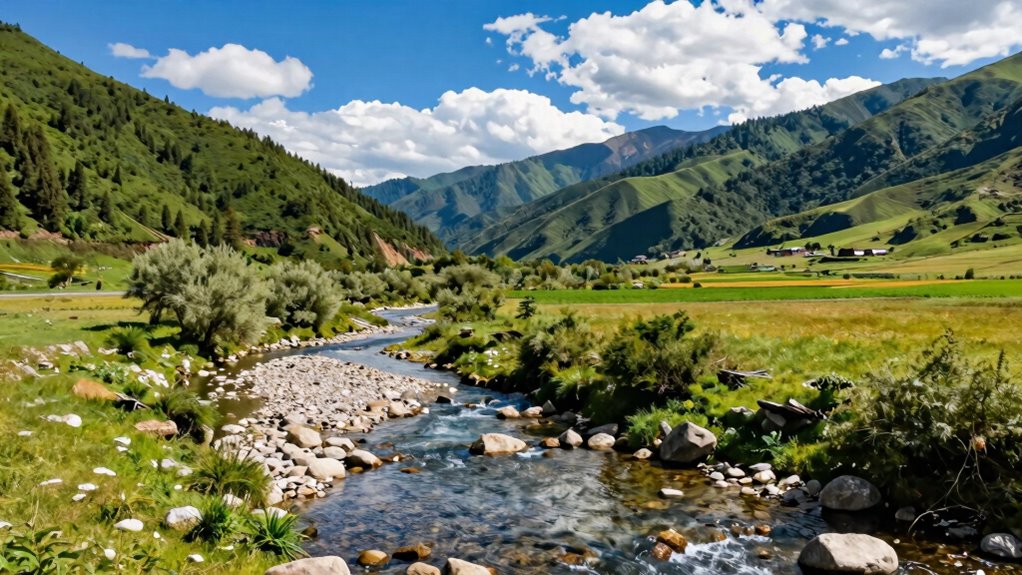

Watersheds are the land areas that drain into our rivers and lakes, making them essential for your community’s water quality and ecosystem health. They filter pollutants, support wildlife, and recharge groundwater, ensuring safe drinking water and a healthy environment. When watersheds are degraded by pollution or development, water safety and ecosystem balance suffer, impacting your health and well-being. Keep exploring to understand how protecting watersheds benefits everyone and what you can do to help.
Key Takeaways
- Watersheds provide clean drinking water essential for community health and safety.
- They support healthy ecosystems that benefit local wildlife and biodiversity.
- Protecting watersheds helps prevent pollution, erosion, and water shortages.
- Natural buffers like wetlands filter pollutants and reduce environmental damage.
- Healthy watersheds enhance community resilience, recreation, and economic stability.

Have you ever wondered how the health of a watershed impacts your community? Watersheds are more than just land areas draining into rivers or lakes; they’re vital to maintaining water quality and supporting ecosystem health. When a watershed functions properly, it filters pollutants, replenishes groundwater, and sustains diverse habitats. But if it becomes degraded—due to pollution, deforestation, or urban development—your community feels the effects directly. Poor water quality can lead to unsafe drinking water, increased health risks, and the loss of aquatic life that many rely on for food or recreation. That’s why understanding and protecting watersheds is essential for ensuring a healthy, thriving community.
Your community depends on a clean, functioning watershed to supply safe drinking water. Pollutants like chemicals, fertilizers, and waste can enter the watershed system, compromising water quality and making it unsafe for consumption. When water quality declines, your community may face higher costs for water treatment or even water shortages. Additionally, contaminated water affects local ecosystems—fish populations decline, aquatic plants suffer, and the entire ecosystem’s balance is disturbed. The health of that ecosystem is intertwined with your community’s well-being, because when ecosystems break down, the benefits they provide—like natural filtration and habitat for wildlife—diminish as well. Protecting watersheds also involves understanding how ecosystem health directly influences water quality and community resilience. Recognizing the importance of natural buffers, such as wetlands and forests, is key to maintaining these ecosystems’ ability to filter pollutants and prevent erosion. A healthy watershed relies on sustainable land use practices that minimize human impact and preserve natural processes. These practices include protecting natural buffers such as wetlands and forests, which play a crucial role in maintaining overall ecosystem integrity.
Ecosystem health within a watershed influences more than just water; it impacts soil stability, air quality, and biodiversity. As you look around your community, consider how natural features like wetlands, forests, and rivers work together to keep the watershed healthy. These natural systems act as buffers, absorbing excess nutrients and pollutants, preventing erosion, and providing habitat for countless species. When these ecosystems are healthy, they support resilient communities that can better withstand environmental stresses. Conversely, when ecosystems are damaged, the ripple effects threaten water quality and threaten the sustainability of your local environment. Recognizing the interconnectedness of these natural systems helps emphasize the importance of their conservation. Moreover, ongoing efforts to restore degraded ecosystems can significantly improve overall watershed health, benefiting both nature and your community.
Protecting watersheds isn’t just about conserving nature—it’s about safeguarding your quality of life. Clean water, healthy ecosystems, and a balanced environment create a foundation for economic stability, recreational opportunities, and public health. Small actions like reducing runoff, avoiding chemical misuse, and supporting conservation efforts can make a big difference. By understanding how your community’s watersheds function and why they matter, you empower yourself to advocate for sustainable practices and policies. Ultimately, maintaining healthy watersheds ensures that everyone benefits from safe water, vibrant ecosystems, and a resilient community now and in the future.

Integrated Design and Operation of Water Treatment Facilities
As an affiliate, we earn on qualifying purchases.
As an affiliate, we earn on qualifying purchases.
Frequently Asked Questions
How Do Watersheds Affect Local Ecosystems?
Watersheds directly impact local ecosystems by supporting watershed biodiversity, which sustains various plants and animals. They also provide natural filtration, cleaning water as it flows through soil and vegetation. When you protect watersheds, you help maintain healthy habitats and clean water supplies, ensuring ecosystems thrive. Your actions can preserve the delicate balance within these areas, benefiting wildlife and communities alike by keeping ecosystems resilient and productive.
What Role Do Watersheds Play in Flood Prevention?
Think of your watershed as nature’s floodgate, quietly working behind the scenes. It plays a crucial role in flood mitigation by directing excess stormwater away from your community. Through effective stormwater management, watersheds absorb heavy rains, reducing runoff and preventing floods. By maintaining healthy watersheds, you support a natural barrier that shields your community from destructive floodwaters, keeping everyone safe and dry during stormy seasons.
Can Individual Actions Improve Watershed Health?
Yes, your personal conservation efforts and community involvement can considerably improve watershed health. By reducing runoff through practices like rain gardens, avoiding litter, and using fewer chemicals, you help protect water quality. Participating in local cleanup events and supporting conservation initiatives also make a difference. Together, these actions foster healthier watersheds, ensuring clean water and resilient ecosystems for everyone in your community.
How Are Watersheds Linked to Water Quality?
Watersheds directly affect water quality because pollution sources within a watershed, like runoff from agriculture or urban areas, can carry contaminants into water bodies. These pollutants impact the natural filtration process of soils and plants, making water less safe to drink and use. By protecting watersheds, you help support natural water filtration, reduce pollution, and guarantee cleaner water for everyone. Your actions can make a significant difference in maintaining healthy water quality.
What Policies Protect Watershed Sustainability?
Think of watershed policies as guardians, shielding your community’s water future. You’re protected by conservation strategies that enforce pollution controls, promote sustainable land use, and safeguard natural habitats. These policies, like a sturdy fence, prevent harmful runoff and sedimentation. By supporting watershed policies, you help maintain clean water, healthy ecosystems, and resilient communities. Your voice matters—advocate for strong conservation strategies to guarantee your watershed’s health for generations to come.
Conclusion
Remember, nearly 60% of your community’s drinking water comes from local watersheds. Protecting these crucial areas guarantees clean water, healthy ecosystems, and resilience against floods and droughts. Every small action—from reducing pollution to conserving water—makes a difference. By caring for your watershed, you’re safeguarding your community’s future. So, get involved, stay informed, and help keep your watershed healthy—because a thriving community depends on clean, protected waters.