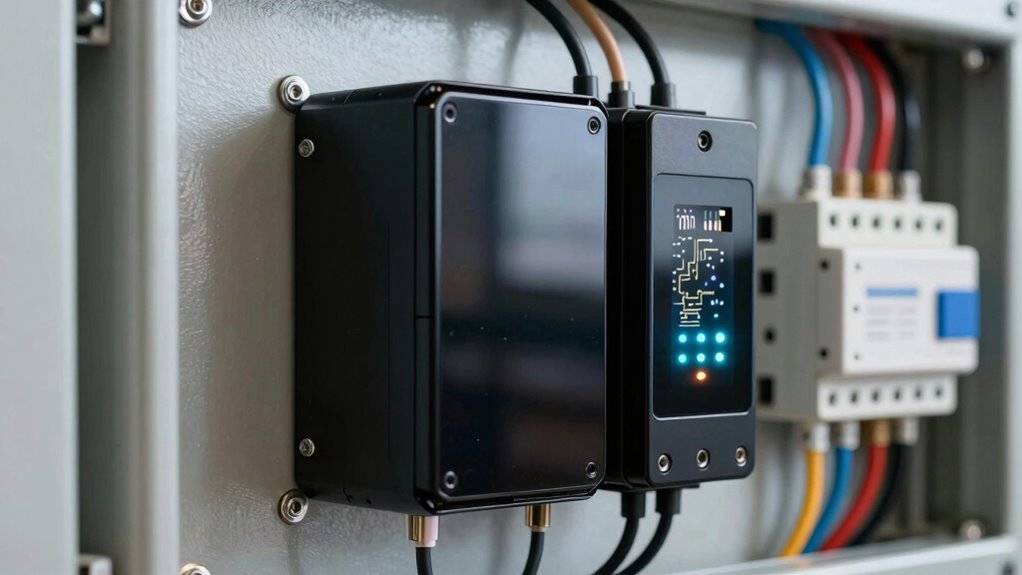

Transfer switches automatically switch to backup power during outages, ensuring your critical systems stay online without manual effort. Smart relays optimize energy use by managing loads, preventing overloads, and automating device control for safety and efficiency. Together, they address different issues—power interruptions and load management—making your system more reliable and resilient. Understanding how these devices work can help you improve your electrical setup, and there’s more to discover if you continue exploring.

Get garden gear delivered free — and shop member deals
- Fast, free delivery on millions of items
- Access to Prime Big Deal Days deals on October 6–7
- Prime Video, Amazon Music and more included
Key Takeaways
- Transfer switches ensure seamless power transfer during outages, preventing downtime and protecting critical systems.
- Smart relays enable intelligent load management, optimizing energy use and extending equipment lifespan.
- Transfer switches provide reliable backup power, safeguarding essential operations from interruptions.
- Smart relays enhance safety by preventing overloads and automatically disconnecting non-essential loads.
- Combining both devices creates resilient, efficient systems capable of automatic operation and quick source switching.
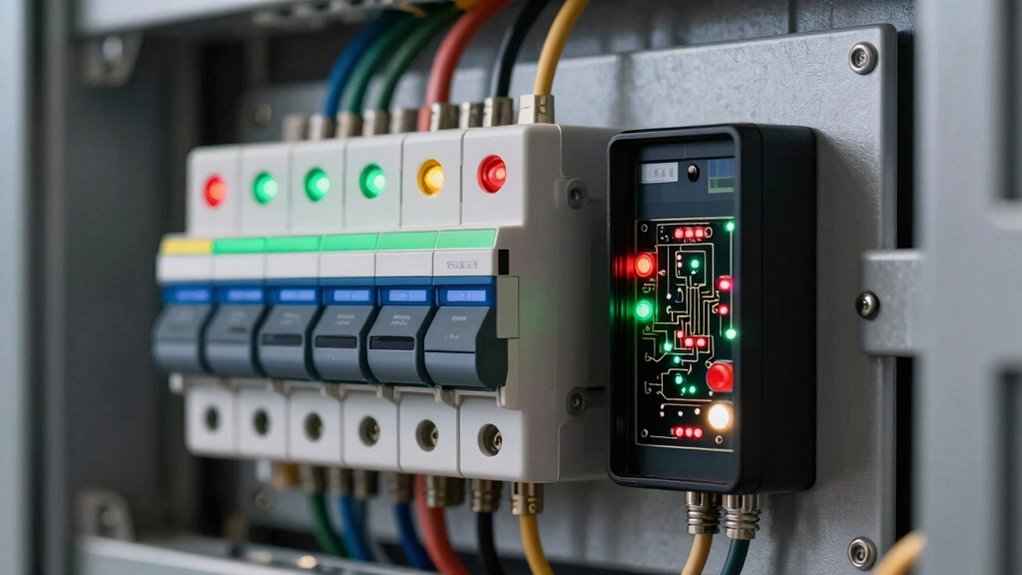
When it comes to ensuring reliable power supply and seamless automation, transfer switches and smart relays play vital roles in solving different electrical problems. One of the key issues they address is maintaining power during outages. A transfer switch automatically shifts your power source from the main grid to a backup generator when the primary supply fails. This ensures that your essential appliances and equipment stay operational without manual intervention, preventing costly downtimes or data loss. It’s especially crucial for critical systems like medical devices, data centers, or industrial processes where continuous power is non-negotiable.
Transfer switches ensure continuous power during outages, safeguarding critical systems effortlessly.
Smart relays, on the other hand, enhance automation and control within your electrical system. They enable sophisticated load management by controlling multiple devices based on real-time conditions. For example, you can set up a smart relay to turn off non-essential loads during peak usage times, reducing strain on your electrical system and preventing overloads. By intelligently managing loads, these relays help optimize energy consumption and extend the lifespan of your equipment. When combined with a battery backup system, smart relays ensure that your critical loads are prioritized and supplied with power even when the main source is interrupted, making your setup more resilient and efficient. Additionally, integrating load management strategies can further improve your system’s overall performance.
Load management is another area where transfer switches and smart relays excel. During periods of high demand, smart relays can distribute power efficiently among various circuits, preventing overloads that could trip breakers or damage your system. This not only improves safety but also enhances the overall reliability of your electrical infrastructure. When a load exceeds a preset threshold, the relay can automatically disconnect non-essential devices, ensuring your essential operations continue smoothly. Meanwhile, transfer switches guarantee uninterrupted power to vital systems by switching seamlessly to backup sources, giving you peace of mind during storms or outages.
In essence, these devices work together to create a smarter, safer electrical environment. Transfer switches guarantee that power sources are switched smoothly and reliably, while smart relays optimize the distribution and management of loads. If you incorporate a battery backup, your system gains an extra layer of security, ensuring critical loads are always supplied, even in the face of disruptions. Understanding the fundamental functions of these devices helps you build a more resilient, efficient electrical system tailored to your needs. Whether you’re managing a commercial facility, a data center, or a home automation setup, understanding how transfer switches and smart relays solve these problems helps you build a more resilient, efficient electrical system tailored to your needs.
automatic transfer switch for backup power
As an affiliate, we earn on qualifying purchases.
As an affiliate, we earn on qualifying purchases.
Frequently Asked Questions
How Do Transfer Switches Impact Power Outage Response Times?
Transfer switches improve your power outage response times by quickly switching your power source during an outage. This rapid shift helps minimize downtime, ensuring your essential systems stay operational. By enabling faster power restoration, transfer switches reduce the impact of outages and support outage minimization. You experience less disruption, and your critical devices remain powered, making your response to outages more efficient and reliable.
Can Smart Relays Integrate With Existing Automation Systems?
Yes, smart relays can integrate with your existing automation systems. While switchovers handle power handovers, smart relays connect legacy systems with modern automation, bridging protocol compatibility gaps. You can seamlessly upgrade without replacing entire setups, ensuring smooth communication and control. This integration offers flexibility, compatibility, and future-proofing, making your automation smarter without sacrificing your existing infrastructure.
Are Transfer Switches Suitable for Residential or Only Commercial Use?
Transfer switches are suitable for both residential and commercial use. In residential settings, they provide a reliable way to switch to backup power during outages, ensuring safety and convenience. For commercial applications, they handle larger loads and more complex systems, maintaining continuous operation. Your choice depends on your specific needs, but generally, transfer switches offer versatile solutions for different environments, making them a valuable investment in power management.
What Maintenance Is Required for Smart Relays Over Time?
Think of your smart relay as a trusty sidekick that needs some TLC to stay sharp. You’ll want to check its connections and clean dust buildup periodically—about once a year—to guarantee maximum smart relay durability. Maintenance frequency is low, but staying vigilant helps prevent issues. Regular software updates and inspecting for wear and tear keep your smart relay running smoothly, ensuring it continues to serve you reliably, like a loyal friend.
How Do Transfer Switches Handle Multiple Power Sources?
Transfer switches manage multiple power sources by using reliable switching mechanisms that automatically or manually switch between them. They prioritize power source management, ensuring continuous power supply without interruption. When one source fails or is unavailable, the switch quickly activates the backup source. This seamless shift protects your equipment and maintains system stability, making transfer switches essential for handling multiple power sources efficiently and safely.
Conclusion
Understanding how transfer switches and smart relays solve different problems can greatly enhance your electrical system’s reliability. Did you know that utilizing transfer switches can prevent power outages during outages by automatically switching sources? Meanwhile, smart relays optimize your system’s flexibility and efficiency. By choosing the right device, you guarantee safety and continuous power. Embrace these technologies to keep your system running smoothly and avoid costly downtime—it’s a smart move for any property owner!
Fall yard work Picks
leaf blowers
As an affiliate, we earn on qualifying purchases.