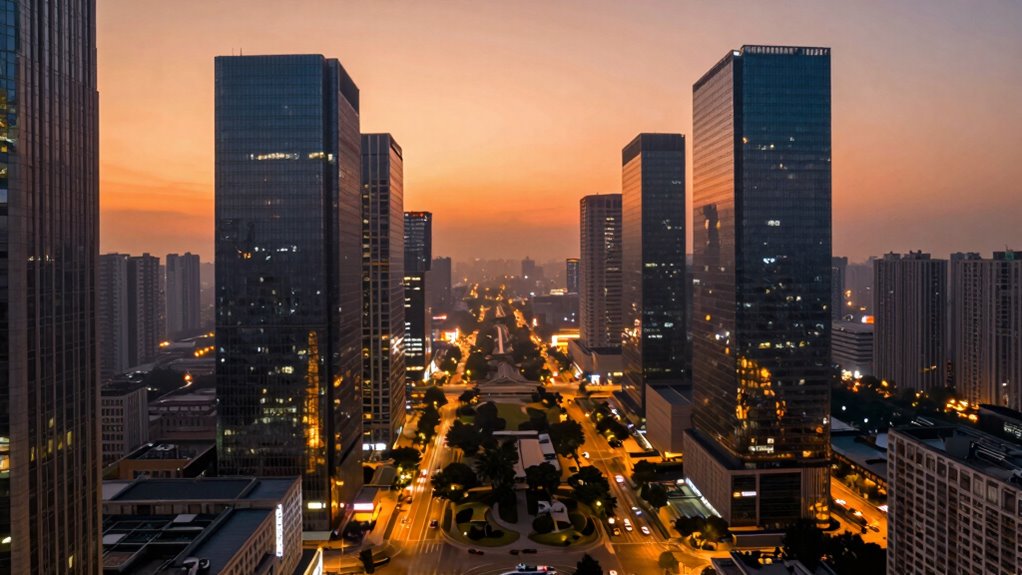

Cities often underestimate how quickly heat islands form because they expand rapidly, with dense buildings and concrete trapping heat. This growth outpaces initial predictions and worsens without sustainable design strategies like green spaces or renewable energy. Neglecting these solutions accelerates heat buildup, increasing energy use and temperatures further. If you want to understand how urban planning can better combat this issue and keep cities cooler, there’s plenty more to explore.

Get garden gear delivered free — and shop member deals
- Fast, free delivery on millions of items
- Access to Prime Big Deal Days deals on October 6–7
- Prime Video, Amazon Music and more included
Key Takeaways
- Rapid urban expansion increases surface area absorbing and retaining heat beyond initial predictions.
- Dense infrastructure and concrete surfaces amplify heat absorption, accelerating heat island formation.
- Overreliance on fossil fuels raises local temperatures through increased heat emissions.
- Lack of green spaces and urban greening efforts diminish natural cooling, speeding up heat buildup.
- Neglecting climate-responsive planning hinders adaptation, causing cities to underestimate heat island escalation.
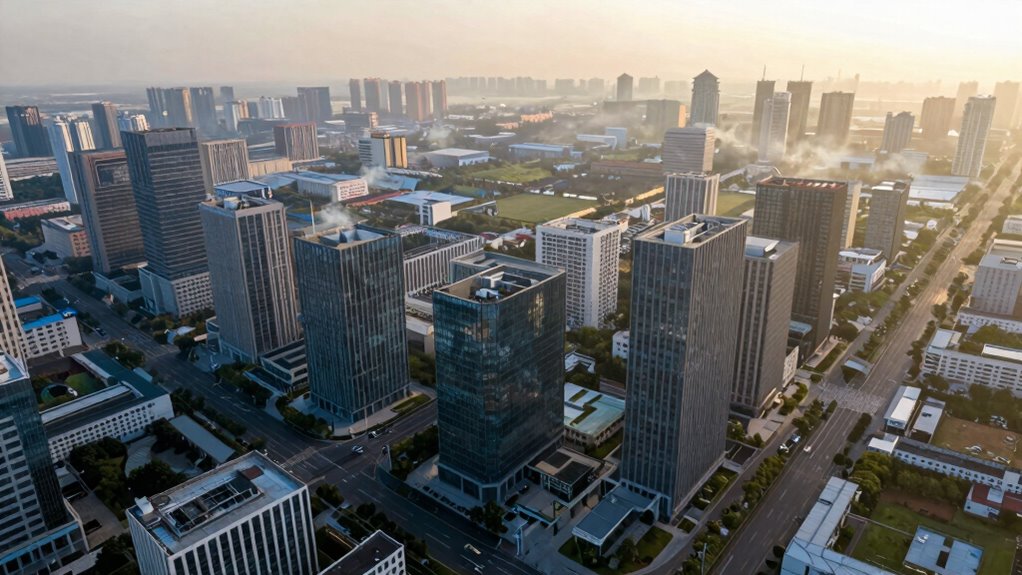
As urban areas expand rapidly, heat islands are developing faster than experts initially predicted. This quick growth results from the dense concentration of buildings, roads, and concrete that absorb and retain heat, creating pockets where temperatures soar well above surrounding rural areas. Cities often underestimate how swiftly these effects can escalate, especially when they neglect sustainable strategies like urban greening. Without intentional efforts to incorporate parks, green roofs, and tree-lined streets, the heat gets trapped, intensifying the urban heat island effect.
Rapid urban expansion traps heat, intensifying the urban heat island effect without green spaces and sustainable strategies.
You might think that simply building more infrastructure would help, but neglecting to integrate renewable energy sources and sustainable design only worsens the problem. When cities rely heavily on fossil fuels for power, heat emissions increase, contributing to the overall temperature rise. Instead, adopting renewable energy solutions—like solar panels and wind turbines—can significantly cut down on emissions, reducing the heat generated by energy production. These measures not only lower pollution but also help cool urban environments by decreasing the heat produced from traditional power sources.
Urban greening plays a pivotal role in combating these rising temperatures. When you add green spaces, you introduce natural cooling effects that can offset some of the heat buildup. Trees provide shade, reduce surface temperatures through evapotranspiration, and improve air quality. Green roofs, in particular, serve as insulated surfaces that reflect sunlight rather than absorb it, helping buildings stay cooler and reducing the urban heat island effect. Cities that proactively embrace urban greening see slower heat development because these natural elements break the cycle of heat absorption and retention.
However, many cities overlook these strategies, often prioritizing rapid development over sustainability. This oversight accelerates heat island formation, catching officials and residents off guard as temperatures climb unexpectedly fast. The combination of dense construction and inadequate green infrastructure creates a feedback loop: more heat leads to more energy use for cooling, which in turn generates additional heat. Without integrating renewable energy and prioritizing urban greening, this cycle only intensifies, making it harder to control temperature increases over time. Recognizing the importance of sustainable urban planning can help cities develop more effective strategies to manage heat. Additionally, understanding urban heat island mechanisms can guide better policy decisions to mitigate these effects.
In essence, the faster-than-expected development of heat islands stems from a mix of dense urbanization, insufficient green spaces, and reliance on fossil fuels. To slow this trend, cities need to actively incorporate urban greening initiatives and renewable energy solutions. Doing so not only mitigates heat absorption but also fosters healthier, more sustainable urban environments. Recognizing the importance of these measures allows you to be part of a city that adapts quickly, curbing the dangerous escalation of heat islands before it becomes unmanageable. Moreover, implementing climate-responsive design strategies can further enhance urban resilience against rising temperatures. It is also essential for city planners to consider climate adaptation measures that anticipate future heat trends and prepare infrastructure accordingly.
As an affiliate, we earn on qualifying purchases.
Frequently Asked Questions
How Do Heat Islands Affect Local Weather Patterns?
Heat islands influence local weather patterns by making urban areas warmer, which can cause more intense heatwaves. Your city’s use of urban greening and reflective surfaces helps combat this by cooling the environment and reducing temperatures. These strategies increase shade and reflect sunlight, mitigating the heat island effect. As a result, you’ll likely see fewer heat-related weather extremes, creating a more comfortable and resilient urban climate.
What Role Does Urban Planning Play in Heat Island Development?
Imagine you’re in the 18th century, but today, your urban planning choices dramatically influence heat island development. You play an essential role by promoting urban greening and installing reflective surfaces, which help reduce heat absorption. These strategies cool cities and limit heat island effects. Without proactive planning, dense buildings and asphalt trap heat, accelerating the problem. Your decisions about green spaces and reflective materials directly impact how quickly heat islands develop.
Can Heat Islands Impact Public Health Significantly?
You should know that heat islands can considerably impact your public health by increasing urban heat and exposing you to health risks like heat stroke, dehydration, and respiratory issues. As temperatures rise from urban heat, vulnerable populations—such as children and the elderly—are especially at risk. Managing urban heat effectively helps reduce these health risks, making your city safer and more livable during extreme heat events.
Are Some Cities More Prone to Heat Island Effects Than Others?
Some cities are more prone to heat island effects because they lack sufficient green spaces and use dense, heat-retaining building materials. When you see fewer parks and mostly concrete or asphalt, the city absorbs and retains more heat, raising temperatures quickly. Conversely, cities with abundant greenery and reflective building materials can better mitigate heat buildup. So, urban planning choices directly influence a city’s vulnerability to heat island development.
What Innovative Solutions Are Being Explored to Reduce Heat Islands?
You’re about to discover innovative solutions transforming our cities. Green roofs are gaining popularity, cooling buildings and reducing heat absorption. Reflective pavements bounce sunlight away, lowering surface temps. These approaches hold promise, but their success depends on widespread adoption and urban planning. As cities push boundaries, you’ll see these strategies evolve, offering hope for cooler, more sustainable urban environments—if we act now before the heat intensifies further.
Conclusion
As you walk through the city, imagine the heat island as a relentless sun behind a glass dome, trapping warmth and accelerating its growth. Just like this invisible barrier, urban development often traps heat, making the city bloom hotter than expected. Recognize that your choices—building green spaces and using sustainable materials—can crack this glass, letting the cool breeze in. Together, you can help the city breathe easier and stay cooler longer.
Fall yard work Picks
leaf blowers
As an affiliate, we earn on qualifying purchases.