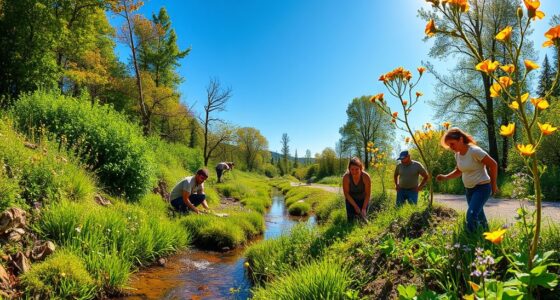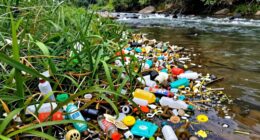
Wetlands are highly effective at filtering water because their complex ecosystems include plants, soil, and microorganisms that work together to trap pollutants and break down harmful substances. Water slows as it moves through wetlands, which enhances filtration. Dense plant roots absorb excess nutrients, while microbes decompose organic matter. Soil in wetlands captures sediments and toxins, improving water quality. If you want to understand how each part contributes to clean water, there’s more to discover below.
Get ready for Prime Big Deal Days — try Prime free
Exclusive member deals on October 6–7, plus fast free delivery. Cancel anytime.
As an affiliate, we earn on qualifying purchases.
Key Takeaways
- Wetlands slow water flow, allowing sediments and pollutants to settle and be filtered effectively.
- Dense plant roots and soil trap nutrients, sediments, and harmful substances.
- Microorganisms decompose organic matter and break down toxic pollutants, improving water quality.
- Vegetation stabilizes soil and prevents erosion, reducing sediment entry into water bodies.
- Hydrological processes retain water, dilute contaminants, and prevent pollutants from reaching larger water systems.

Have you ever wondered how wetlands help keep our water clean? These vibrant ecosystems act as natural filters, removing pollutants and improving water quality in ways that engineered solutions often can’t match. When water flows through wetlands, it encounters a complex environment filled with plants, soil, and microorganisms that work together to trap sediments, absorb nutrients, and break down harmful substances. This process not only cleans the water but also supports a diverse array of wildlife habitats, making wetlands essential for maintaining ecological balance. As water filters through, it slows down, giving nature’s cleaning crew a chance to do its job thoroughly, preventing contaminants from reaching larger bodies of water like lakes and rivers. The biological activity occurring within wetlands enhances their filtration capacity, making them even more effective at purifying water naturally. Additionally, the soil composition of wetlands plays a crucial role in their ability to trap and filter pollutants effectively. The hydrological processes within wetlands also contribute significantly to their water purification abilities, ensuring that the water is cleaned before it reaches downstream ecosystems. Wetlands are especially effective because of their unique ability to trap sediments and pollutants. The dense plant roots and soil act like a sponge, soaking up excess nutrients such as nitrogen and phosphorus, which, if left unchecked, could cause harmful algal blooms. These plants also stabilize the soil, preventing erosion and reducing the amount of sediment that enters water bodies. Additionally, the microorganisms living in wetland soils play a crucial role by decomposing organic matter and breaking down toxic substances. This natural filtration process is vital for maintaining water clarity and quality, especially in urban and agricultural areas where runoff often carries pollutants. microbial activity within wetlands significantly boosts their ability to break down contaminants, ensuring cleaner water downstream. Moreover, the water retention capacity of wetlands helps buffer against flooding and maintains steady water flow, further supporting water quality and ecosystem health. Beyond water filtration, wetlands serve as vital wildlife habitats, supporting everything from fish and amphibians to birds and insects. The lush vegetation provides food, shelter, and breeding grounds, creating a rich tapestry of life. These habitats are crucial for the survival of many species, especially during migration or breeding seasons. Additionally, wetlands contribute to climate regulation by storing large amounts of carbon in their soils and vegetation. This carbon storage helps mitigate the effects of climate change, demonstrating how wetlands serve multiple ecological functions beyond just water filtration. You can see that wetlands are more than just scenic landscapes—they are powerful natural systems that protect our water quality, support biodiversity, and help regulate the climate. Their ability to filter water effectively is rooted in their complex structure and biological activity, making them indispensable for a healthy environment. Protecting and restoring wetlands isn’t just about conserving nature; it’s about ensuring clean water for generations to come and maintaining the delicate balance of our planet’s ecosystems.
As an affiliate, we earn on qualifying purchases.
Frequently Asked Questions
How Long Does It Take for Wetlands to Filter Water Effectively?
It typically takes wetlands a few days to a few weeks to filter water effectively, depending on factors like water flow, pollutant levels, and wetland size. During this time, natural filtration processes break down contaminants, thanks to dense vegetation and soil. This resilience within the ecosystem guarantees continuous purification, making wetlands essential for maintaining water quality. Your understanding of this process highlights their critical role in environmental health.
Can Wetlands Remove All Types of Water Pollutants?
You might imagine wetlands as nature’s filters, but they can’t remove all water pollutants. While they excel at handling many, the diversity of pollutants—like heavy metals, chemicals, and nutrients—challenges their natural processes. Some toxins are too persistent or complex for wetlands to fully eliminate. So, although wetlands considerably improve water quality, relying solely on them isn’t enough to remove every pollutant, especially the most stubborn or hazardous ones.
Do Wetlands Require Maintenance to Stay Effective?
Wetlands do require some maintenance to stay effective, especially in areas undergoing wetland restoration. You should manage invasive species, control pollution sources, and monitor water flow to guarantee they continue filtering pollutants efficiently. By maintaining wetlands, you also protect wildlife habitat, supporting diverse species. Regular upkeep helps sustain their natural ability to purify water, preventing degradation and ensuring these ecosystems remain valuable for both water quality and wildlife preservation.
Are Wetlands Equally Effective in Different Climates?
Wetlands’ effectiveness varies with climate, but their diverse ecosystem helps them adapt across different conditions. In wetter climates, they filter more runoff and pollutants, while in drier areas, they rely on specialized plants and soil to purify water. Climate variation influences their functionality, yet their inherent ecosystem diversity allows wetlands to perform essential water filtration roles worldwide. This resilience makes them valuable natural water filters regardless of climate differences.
How Do Wetlands Compare to Artificial Water Treatment Systems?
Wetlands outperform artificial water treatment systems through natural filtration, which removes pollutants effectively without chemicals. You benefit from ecosystem services like habitat provision and flood control, making wetlands more sustainable. While artificial systems can target specific contaminants, wetlands offer broader ecological benefits and maintain water quality naturally. Their ability to adapt and integrate into the environment makes wetlands a more holistic, eco-friendly solution for filtering water compared to engineered systems.
Conclusion
Think of wetlands as nature’s mighty sponges, enthusiastically soaking up pollutants and filtering water like a skilled artisan. Their lush plants and complex roots act as a natural sieve, trapping impurities and cleansing the flow. You can see wetlands as the earth’s gentle guardians, tirelessly working behind the scenes to keep our water pure and clear. By protecting these vibrant ecosystems, you’re safeguarding a essential shield that preserves the health of our planet’s most precious resource.
Fall yard work Picks
leaf blowers
As an affiliate, we earn on qualifying purchases.