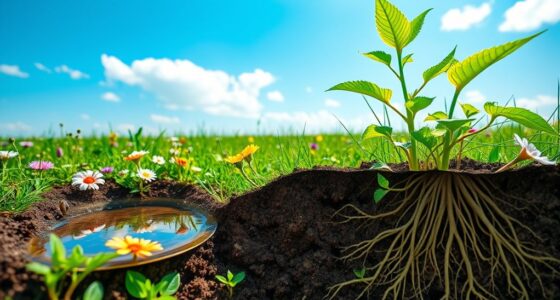
Permafrost thawing is a major climate risk because it releases stored greenhouse gases like methane and carbon dioxide into the atmosphere, speeding up global warming. As the ground thaws, it causes ground instability, leading to landslides and damage to infrastructure. This process also transforms landscapes and disrupts ecosystems, affecting both the environment and communities. To understand the full impact of these changes, keep exploring how permafrost influences our climate and future.
Prime for Young Adults — start your free trial
Fast free delivery, streaming and member deals for eligible 18–24 year olds.
As an affiliate, we earn on qualifying purchases.
Key Takeaways
- Thawing permafrost releases stored greenhouse gases like methane, intensifying global warming.
- Ground destabilization from permafrost thaw leads to landslides, infrastructure damage, and ecological disruption.
- Permafrost collapse affects ecosystems, wildlife habitats, and local communities’ traditional lifestyles.
- Melting permafrost alters hydrology, creating new wetlands and impacting regional environmental stability.
- Monitoring and mitigating permafrost thaw are critical to managing climate feedbacks and reducing global climate risks.

Permafrost, the permanently frozen ground found in Arctic and sub-Arctic regions, plays a critical role in stabilizing ecosystems and storing vast amounts of carbon. When it remains frozen, it acts as a natural barrier, preventing organic material from decomposing quickly and releasing greenhouse gases into the atmosphere. However, as global temperatures rise, this frozen layer begins to thaw, triggering significant changes beneath the surface. One of the most concerning consequences is the potential release of methane, a potent greenhouse gas. Methane is trapped within the ice and organic matter in permafrost, and when thawed, microbes break down this material, releasing methane into the atmosphere. This release can accelerate climate change, creating a dangerous feedback loop. As methane escapes, it traps more heat, further warming the planet and causing even more permafrost to thaw. This process not only accelerates global warming but also affects soil stability, which is essential for maintaining the structural integrity of ecosystems, infrastructure, and communities in these regions.
When permafrost thaws, the ground becomes unstable. You might notice this as landslides, slumps, or subsidence in affected areas. The stability of the soil depends on its frozen state; once thawed, the soil loses its cohesion and strength, increasing the risk of erosion and collapse. This destabilization impacts natural landscapes and human settlements alike. Infrastructure built on permafrost, such as roads, pipelines, and buildings, faces increased risks of damage as the ground shifts. Additionally, the melting permafrost can create new lakes and wetlands, further altering local ecosystems and hydrology. These changes can threaten plant and animal life, disrupt traditional lifestyles, and complicate ongoing development projects in Arctic regions. The release of greenhouse gases from thawing permafrost further exacerbates global warming, emphasizing the importance of understanding and mitigating these effects.
The risk of methane release and soil destabilization underscores how interconnected climate systems are with local environments. Thawing permafrost doesn’t just release gases; it reshapes entire landscapes. You need to recognize that the stability of soils in these regions directly influences not only ecological health but also regional economies and communities. As thawing accelerates, the potential for sudden ground collapse or methane surges increases, highlighting the urgent need for monitoring and mitigation efforts. Understanding these processes helps you grasp the broader implications of climate change, emphasizing that what happens in the Arctic has far-reaching impacts on global climate systems and the stability of ecosystems worldwide.
As an affiliate, we earn on qualifying purchases.
Frequently Asked Questions
How Does Permafrost Thaw Affect Local Ecosystems?
When permafrost thaws, you’ll see soil stability decrease, causing ground shifts and erosion. This destabilization damages plant roots, reducing plant diversity in the area. As the soil becomes more prone to movement, some plants may die off, while others might spread, changing the local ecosystem balance. The loss of native plants can also affect animals that depend on them, disrupting the entire ecosystem’s health and resilience.
What Are the Economic Impacts of Permafrost Degradation?
You might not realize it, but permafrost degradation costs the global economy billions annually. As the ground thaws, infrastructure damage skyrockets, with roads, buildings, and pipelines at risk. Property valuation drops because of unstable foundations and increased repair costs. These economic impacts hit local communities hardest, forcing governments and businesses to spend more on repairs and adaptation, which diverts funds from other essential projects.
Can Permafrost Recovery Be Facilitated Naturally or Artificially?
You can facilitate permafrost recovery through natural remediation, which involves restoring vegetation and maintaining cold conditions that promote permafrost stabilization. Artificial methods, like insulating the soil or installing cooling systems, can also help, but they’re often costly and less sustainable long-term. Both approaches aim to slow thawing and encourage permafrost recovery, though natural processes are usually preferred for their environmental compatibility and lower impact.
How Does Permafrost Melt Influence Global Weather Patterns?
When permafrost melts, it releases greenhouse gases like methane and carbon dioxide, which intensify climate feedbacks. This accelerates global warming, leading to more extreme weather patterns worldwide. You might notice increased storms, droughts, and unpredictable weather, as the disruption of permafrost influences atmospheric circulation. The release of these gases creates a cycle that worsens climate change, making it essential to understand and address permafrost melt’s impact on global weather systems.
What Are the Best Strategies for Communities to Adapt?
You should prioritize strengthening your community’s infrastructure resilience by upgrading buildings and utilities to withstand climate impacts. Incorporate indigenous knowledge to develop adaptive strategies tailored to your environment, such as traditional practices that promote sustainability. Engage local residents in planning and decision-making to ensure solutions are culturally appropriate and effective. By combining modern techniques with indigenous insights, your community can better adapt to changing conditions and reduce climate-related risks.
Conclusion
As you consider the future, remember that thawing permafrost isn’t just a distant threat—it’s happening now. Imagine a small Arctic village where warming causes underground ice to melt, destabilizing buildings and releasing stored greenhouse gases. This real risk shows that your actions today can influence climate stability tomorrow. By understanding and addressing permafrost risks, you play a crucial role in protecting ecosystems and communities from irreversible changes. Your choices truly matter.
Fall yard work Picks
leaf blowers
As an affiliate, we earn on qualifying purchases.