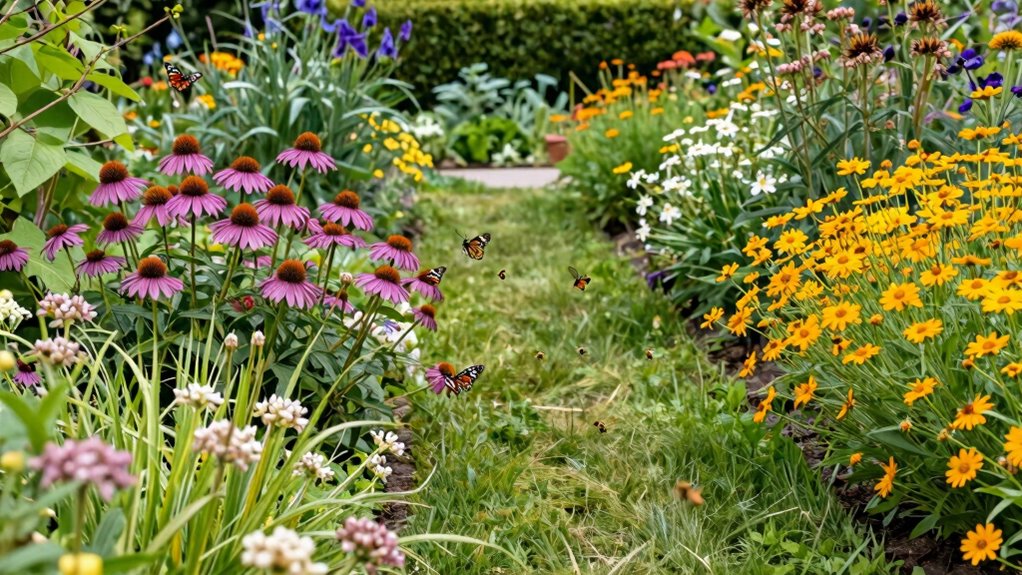

You’ll see that a single, perfect garden can only support a limited number of pollinators and often lacks safe routes for their travel. Connecting small patches with pollinator corridors allows bees, butterflies, and hummingbirds to move safely across your community. These networks provide continuous food sources and help sustain larger, resilient populations. If you want to learn how creating these corridors benefits your local environment and boosts biodiversity, keep exploring this important topic.
Play games included with Prime
Start a Prime free trial and play with Amazon Luna on your devices.
As an affiliate, we earn on qualifying purchases.
Key Takeaways
- Corridors connect multiple habitats, enabling pollinators to travel safely and access diverse resources beyond a single garden.
- A network of connected patches supports larger, more resilient pollinator populations than isolated gardens.
- Corridors reduce habitat fragmentation, which is crucial for maintaining healthy, sustainable pollinator ecosystems.
- Multiple interconnected habitats ensure continuous food sources and nesting sites throughout the year.
- Community-wide efforts to build corridors create a broader ecological impact, benefiting biodiversity and local environments.

Have you ever wondered how to support the essential pollinators in your community? Creating a single perfect garden is a great start, but it’s not enough to sustain the diverse range of pollinators you want to help. Instead, focusing on establishing a network of small, connected habitats—called pollinator corridors—can make a much greater impact. These corridors work by linking patches of urban habitat, allowing pollinators like bees, butterflies, and hummingbirds to move safely between feeding sites and nesting areas. When you think about it, a single garden might attract some pollinators, but many will struggle to find enough resources or safe routes to travel from one place to another. That’s why creating multiple, interconnected habitats is essential.
Creating interconnected pollinator habitats enhances movement and survival for bees, butterflies, and hummingbirds across your community.
One of the most effective ways to support pollinators within an urban habitat is to plant native plants. Native plants are adapted to your local environment; they provide the right kind of nectar and pollen that pollinators rely on. Unlike non-native species, native plants bloom at different times throughout the year, offering a steady supply of food. By planting native species in your yard, community spaces, or even small vacant lots, you help create a continuous corridor that sustains pollinator populations. When these native plants thrive, they attract a variety of pollinators, which in turn supports local ecosystems. Establishing urban habitat connectivity is crucial for maintaining healthy pollinator populations, especially in areas experiencing habitat fragmentation. These corridors don’t have to be large or perfect; even small patches, strategically placed, can connect to form a network that benefits everyone.
Creating these corridors isn’t just about planting a single garden and hoping for the best. It’s about thinking bigger: how your space fits into the larger urban habitat landscape. When your neighbors also plant native plants and establish their own patches, the entire area becomes a thriving network for pollinators. This approach helps reduce habitat fragmentation, which is a major threat to pollinator health. Instead of isolated pockets of habitat that can’t support sustainable populations, you foster a connected habitat network that allows pollinators to forage, reproduce, and migrate safely. Supporting habitat connectivity also involves understanding the importance of habitat corridors in maintaining biodiversity and ecosystem resilience. This interconnected system not only benefits pollinators but also enhances the health of your entire community, supporting local biodiversity and even improving crop yields or flowering plants in shared spaces.
In the end, supporting pollinators is about more than just one garden—it’s about building a resilient, interconnected habitat that sustains their needs throughout the seasons. By focusing on creating a network of native plant-filled urban habitats, you contribute to a healthier environment for pollinators and for yourself. Your small efforts, when combined with others, can create a powerful corridor that makes your community a haven for these vital creatures.
native pollinator plants for gardens
As an affiliate, we earn on qualifying purchases.
As an affiliate, we earn on qualifying purchases.
Frequently Asked Questions
How Do Pollinator Corridors Affect Local Biodiversity?
Pollinator corridors boost local biodiversity by enhancing habitat connectivity, allowing various pollinator species to move freely between patches. This promotes pollinator diversity, which benefits plant reproduction and ecosystem health. When you create or support these corridors, you help sustain a wider range of pollinators, making ecosystems more resilient. As a result, local plant life flourishes, and overall biodiversity increases, creating healthier, more balanced environments for everyone.
What Are the Costs of Establishing Pollinator Corridors?
Establishing pollinator corridors requires a significant economic investment upfront, including land acquisition, planting, and habitat restoration. You’ll also face ongoing maintenance challenges, such as controlling invasive species, managing habitat quality, and ensuring continuous floral resources. These costs can be substantial, but they’re essential for supporting biodiversity. By planning carefully, you can balance expenses with the ecological benefits, creating sustainable corridors that foster pollinator health and local ecosystems.
Can Urban Areas Effectively Implement Pollinator Corridors?
Yes, urban areas can effectively implement pollinator corridors through strategic urban planning and active community engagement. You can design green pathways that connect parks, gardens, and green rooftops, creating safe routes for pollinators. Engaging local residents in planting native flowers and maintaining these corridors fosters a sense of ownership and awareness. Together, these efforts support pollinator health, enhance biodiversity, and make cities more sustainable and resilient.
How Long Does It Take for Pollinator Corridors to Show Benefits?
Think of pollinator corridors as a long-term investment; benefits usually appear within 1 to 2 years. Pollinator lifespan varies, but with consistent garden maintenance, you’ll notice increased bee activity and healthier plants in that timeframe. Like nurturing a sapling, patience pays off—over time, these corridors become thriving highways for pollinators, ensuring their survival and boosting local biodiversity. Your dedication helps create a lasting impact.
Are Native Plants Necessary for Successful Pollinator Corridors?
Native plants are essential for a successful pollinator corridor because they support pollinator diversity effectively. These plants are adapted to your local environment, providing the right nectar and pollen sources. When you plant native species, you create a sustainable habitat that attracts a variety of pollinators, including bees, butterflies, and birds. This boosts pollinator health and diversity, ensuring your corridor’s long-term success and ecological benefits.
Conclusion
Just like Odysseus relied on the steady winds of the Aegean to guide him home, your local pollinator corridor becomes a crucial pathway for bees, butterflies, and other pollinators. Instead of chasing after the perfect garden, focus on creating a network that supports these essential creatures year-round. Remember, even the smallest patch of native plants helps build a resilient, thriving ecosystem. Together, your efforts can turn your community into a haven—an odyssey of sustainability and life.
Flea & tick season Picks
flea and tick prevention
As an affiliate, we earn on qualifying purchases.