By leveraging online separation technology, you can significantly optimize biobutanol production. This approach streamlines extraction and purification processes, making your resource use more efficient and improving overall yields. Integrating these technologies allows for real-time monitoring and adjustments, which can lead to better fermentation outcomes. Plus, focusing on separation methods helps mitigate challenges like butanol toxicity. If you explore further, you'll discover more strategies to enhance production efficiency.

Get garden gear delivered free — and shop member deals
- Fast, free delivery on millions of items
- Access to Prime Big Deal Days deals on October 6–7
- Prime Video, Amazon Music and more included
Key Takeaways
- Online separation technology can enhance biobutanol recovery by continuously removing butanol, reducing toxicity effects on microorganisms during fermentation.
- Implementing real-time monitoring in separation processes aids in optimizing fermentation conditions and maximizing biobutanol yields.
- Integration of online separation methods can improve substrate utilization by continuously extracting products, thus promoting microbial growth and fermentation efficiency.
- Utilizing advanced separation technologies minimizes the need for complex downstream processing, lowering overall production costs.
- Continuous separation allows for better management of fermentation byproducts, ensuring a more stable pH and temperature during biobutanol production.
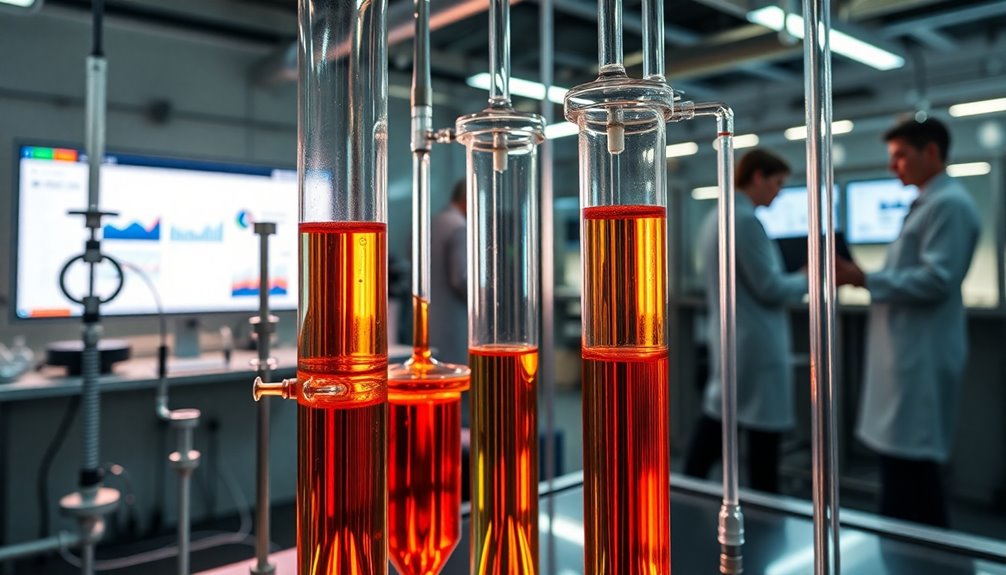
As you explore biobutanol production optimization, you'll find that selecting the right substrate is crucial for maximizing yield and efficiency. The type and concentration of the substrate directly influence biobutanol yields, making it essential to choose cost-effective materials. Biomass hydrolysates like poplar wood or oil palm empty fruit bunches can serve as excellent substrates, but their composition must be analyzed to ensure optimal fermentation.
Selecting the right substrate is vital for optimizing biobutanol production and enhancing overall yield efficiency.
When it comes to fermentation processes, both ABE (acetone-butanol-ethanol) and simultaneous saccharification and fermentation (SSF) are commonly used. SSF, in particular, benefits from optimized cellulase loading, which enhances hydrolysis and boosts biobutanol yield. You'll want to ensure your fermentation conditions—like temperature and pH—are just right. The ideal temperature typically hovers between 35°C and 37°C, while maintaining a pH level around 5.5 to 6.5 can significantly impact your production efficiency. Notably, optimal pH levels are crucial for maximizing biobutanol production throughout fermentation phases.
Moreover, the choice of microorganisms is vital. Using *Clostridium* species, such as *C. acetobutylicum* or *C. saccharobutylicum*, can lead to improved outcomes. You might also consider genetic modifications to enhance their yield potential. When determining inoculum size, aim for an optimal range of 9% to 15% to ensure efficient fermentation.
As you delve deeper into optimization, employing statistical methods like Response Surface Methodology (RSM) can help you analyze interactions between variables. Techniques such as Central Composite Design (CCD) and Box-Behnken Design can further streamline your optimization processes.
However, you'll face challenges like butanol toxicity, which can hinder microbial growth and continuous fermentation. Addressing these issues through technological advances and better substrate utilization is key to overcoming economic feasibility hurdles.
online biobutanol separation technology
As an affiliate, we earn on qualifying purchases.
As an affiliate, we earn on qualifying purchases.
Frequently Asked Questions
What Is Biobutanol and How Is It Produced?
Biobutanol's a biofuel derived from renewable biomass, serving as a potential alternative to fossil fuels.
You'll find it primarily produced through ABE fermentation, where Clostridium bacteria convert sugars into solvents. This process involves two main stages: acidogenesis and solventogenesis.
Various feedstocks, like agricultural residues, contribute to its production.
While it offers sustainable benefits, challenges such as butanol toxicity and high production costs need addressing for broader adoption and economic viability.
What Are the Benefits of Using Biobutanol Over Conventional Fuels?
Imagine a fuel that's like a superhero for your engine—biobutanol. It packs 25% more energy than ethanol and boosts fuel efficiency with its high octane number.
Its lower vapor pressure means you can handle it safely, while its non-hygroscopic nature protects against water pollution.
Plus, it's derived from renewable sources, reducing greenhouse gas emissions and supporting local economies.
With biobutanol, you're choosing a cleaner, smarter fuel for the future.
How Does Online Separation Technology Work in Biobutanol Production?
Online separation technology in biobutanol production works by continuously removing butanol from fermentation processes.
You'll see methods like pervaporation membranes and gas stripping, which help maintain low inhibitory levels of products.
By efficiently extracting butanol, you reduce fermentation inhibition, allowing the process to run longer and yield more.
This approach not only boosts productivity but also enhances overall efficiency, making biobutanol production more sustainable and economically viable for you.
What Are the Environmental Impacts of Biobutanol Production?
Imagine you're cruising in your electric car, enjoying the eco-friendly ride.
When it comes to biobutanol production, you'll find it has several environmental benefits. It captures carbon dioxide during feedstock growth, reducing greenhouse gas emissions.
Plus, using organic waste helps cut pollution. With efficient processes, energy savings are significant, and biobutanol can lower emissions by at least 60% compared to fossil fuels.
You're contributing to a greener future!
What Industries Utilize Biobutanol as a Fuel Alternative?
You'll find biobutanol used across various industries as a fuel alternative.
In the automotive sector, it blends well with gasoline, enhancing engine performance. The aerospace industry values it for sustainable aviation fuel, while marine engines benefit from its cleaner properties.
Additionally, biobutanol plays a role in chemical manufacturing and construction, serving as an essential component for solvents and coatings. Its versatility makes it a preferred choice in multiple applications.
Conclusion
By harnessing online separation technology, you can transform the landscape of biobutanol production. Imagine watching the intricate dance of molecules as they separate seamlessly, paving the way for higher yields and reduced costs. With each drop of biobutanol, you're not just producing a biofuel; you're igniting a greener future. Embrace this innovative approach and watch your production soar, turning the dream of sustainable energy into a vibrant reality that fuels both progress and the planet.
Fall yard work Picks
leaf blowers
As an affiliate, we earn on qualifying purchases.