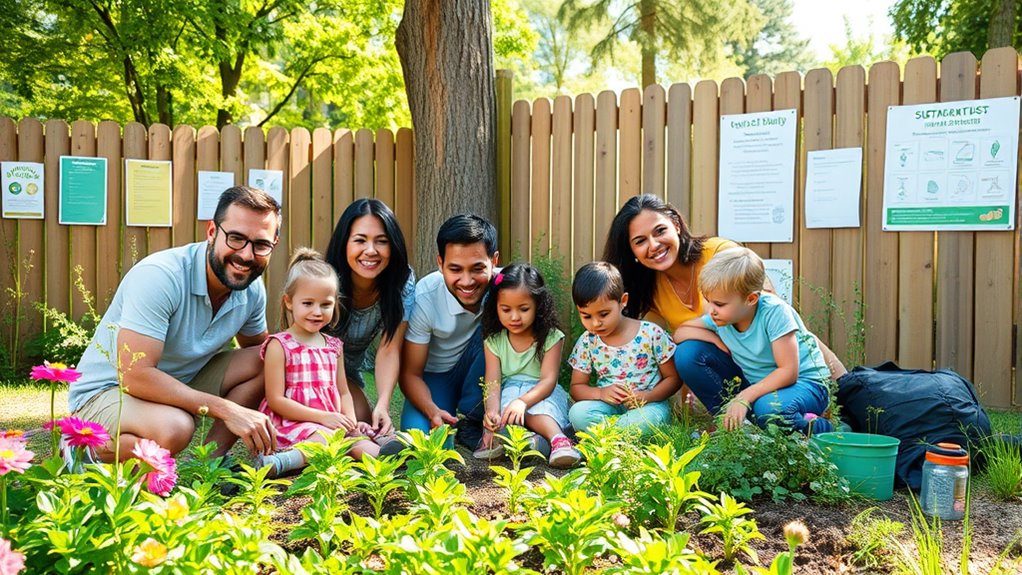

To engage parents in sustainability education, involve them in simple home activities like composting or planting, and encourage leading by example. Organize community projects like clean-ups or tree planting to foster collective action. Share success stories and provide resources such as workshops or guides to keep them motivated. Regular communication through newsletters or social media can reinforce these efforts. Continue exploring ways to make a lasting eco-conscious impact for your family and community.
Key Takeaways
- Provide parents with resources, workshops, and guides to incorporate eco-friendly practices at home.
- Organize community activities like clean-ups and tree planting to foster collective environmental responsibility.
- Share success stories and regular updates to motivate and inspire parental involvement in sustainability efforts.
- Promote family-centered eco-actions, encouraging parents to model sustainable habits for children.
- Foster partnerships between educators, parents, and communities to embed environmental values into daily life.
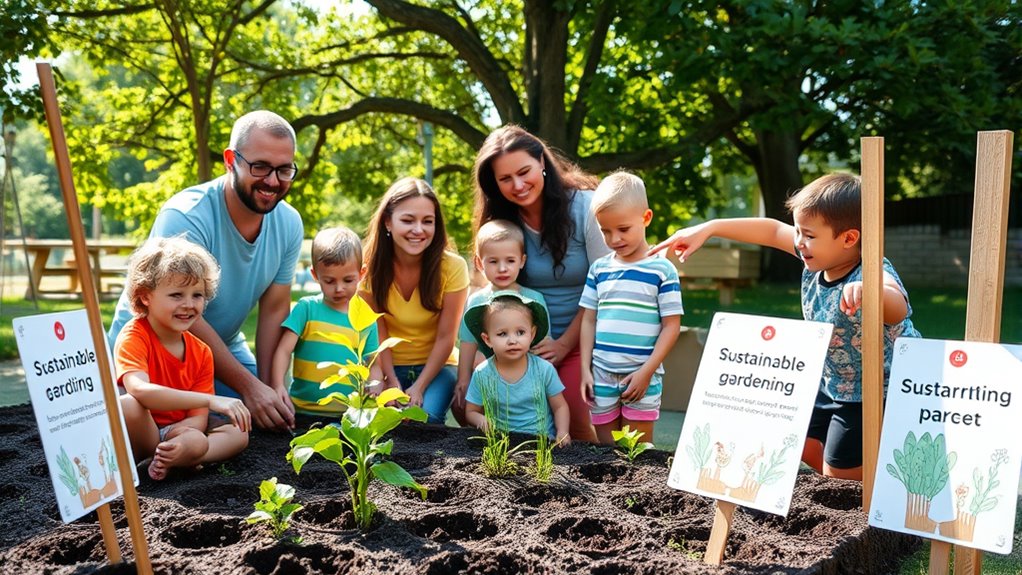
Getting parents involved in sustainability education is essential for fostering lasting environmental habits. When you actively engage parents, you create a powerful ripple effect that influences not just children but entire families and communities. One effective way to do this is by encouraging home activities that promote eco-friendly practices. For example, you might suggest simple actions like starting a compost bin, planting a vegetable garden, or reducing plastic use. These activities are easy to implement and can be integrated into daily routines. When parents lead by example, children learn valuable lessons about conservation and responsible consumption. You can also provide resources, such as guides or workshops, to help parents understand the benefits of these activities and how to make them enjoyable for the whole family. Making sustainability a family affair helps reinforce positive habits and demonstrates that caring for the environment is achievable and rewarding.
In addition to home activities, involving parents in community projects can profoundly deepen their commitment to sustainability. Community projects, like neighborhood clean-ups, tree planting, or recycling drives, offer practical opportunities for parents and children to work together toward a common goal. These initiatives foster a sense of community responsibility and show that collective action can lead to meaningful change. You might organize or promote local events that align with sustainability themes, making it easy for parents to participate. By doing so, you help families see their role in larger environmental efforts and build a stronger community identity rooted in eco-conscious values. When parents see the tangible results of their efforts, such as cleaner parks or more vibrant green spaces, they’re more likely to stay engaged and inspire others to join in.
Additionally, highlighting the importance of sustainability education and how it can positively impact future generations encourages parents to prioritize eco-conscious choices. Supporting parents with information and encouragement is key. Offer them tips on integrating sustainability into everyday life and highlight success stories from other families. Recognize their efforts through community acknowledgments or small rewards, which can motivate ongoing participation. You can also facilitate regular communication, like newsletters or social media updates, to keep parents informed about upcoming projects and ways they can get involved. When parents feel supported and empowered, they’re more inclined to take initiative and inspire their children to adopt environmentally conscious behaviors. Ultimately, fostering a partnership between educators, parents, and the community creates a sustainable environment where environmental values are ingrained, making eco-friendly habits second nature for future generations.
Frequently Asked Questions
How Can Parents Incorporate Sustainability Lessons at Home Effectively?
You can incorporate sustainability lessons at home by practicing eco-friendly habits like recycling, conserving water, and using energy-efficient appliances. Involve your family in projects such as planting a garden or creating compost bins, making sustainability a fun, shared activity. Encourage open discussions about environmental issues, and lead by example. These actions help instill eco-conscious values, making sustainability a natural part of your family’s daily routine and lifestyle.
What Are the Best Ways to Motivate Reluctant Parents to Get Involved?
Think of motivating reluctant parents as lighting a spark that ignites a passion for change. You can do this with incentive programs that reward small eco-friendly acts and foster peer support groups where parents share successes and ideas. When they see others making a difference and feel appreciated, they’re more likely to step into the garden of sustainability, nurturing a greener future together. Your encouragement turns hesitation into heartfelt action.
How Do Cultural Differences Influence Parental Engagement in Sustainability?
Cultural norms and parental beliefs greatly influence how you engage parents in sustainability efforts. You’ll find that some cultures prioritize community and environmental harmony, making them more receptive, while others may focus on economic stability or tradition, which can pose challenges. To succeed, you need to respect these differences, tailor your messaging to align with their values, and demonstrate how sustainability benefits their community and family, fostering greater involvement.
What Resources Are Available for Parents to Learn About Sustainability Topics?
Imagine you’re stepping into the future with a library of digital resources—websites, e-books, and online courses—that make learning about sustainability easy and accessible. You can also join local community programs that offer workshops, eco-friendly activities, and support groups. These resources empower you to deepen your understanding, share knowledge with your kids, and actively participate in creating a greener world. Immerse yourself and explore what’s available today!
How Can Schools Measure the Impact of Parental Involvement in Sustainability Education?
You can measure the impact of parental involvement by tracking quantitative metrics like participation rates in sustainability events and the number of resources accessed. Additionally, gather qualitative feedback through surveys and interviews to understand parents’ perceptions and behavioral changes. Combining these methods provides an extensive view of how parental engagement influences sustainability education, helping you identify successful strategies and areas for improvement.
Conclusion
Getting parents involved in sustainability education makes a real difference—you’re not just teaching kids, you’re creating change-makers. Did you know that children with environmentally engaged parents are 50% more likely to adopt eco-friendly habits? By partnering with parents, you help shape a greener future and inspire lasting habits at home. So, keep encouraging their participation; together, you’re empowering the next generation to protect our planet.