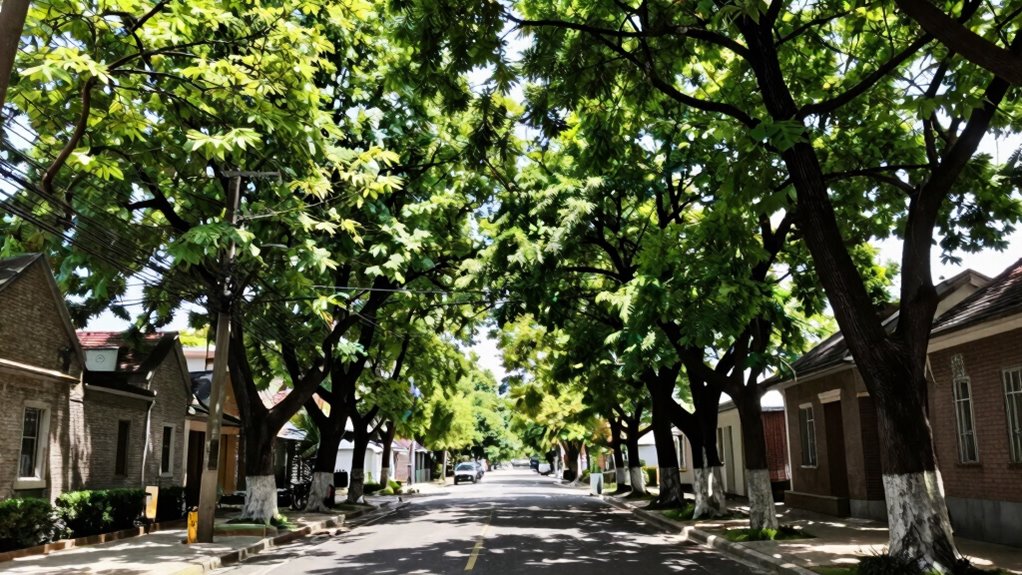

Your neighborhood’s tree canopy is a crucial infrastructure that helps cool your environment, manage stormwater, and improve air quality. Trees act as natural shields, reducing heat and preventing flooding by soaking up rain and filtering pollutants. Recognizing trees as infrastructure emphasizes their role in creating resilient, healthy communities. Protecting and expanding these green spaces isn’t just about aesthetics—it’s fundamental for your safety and well-being. Keep exploring to discover how trees truly shape your neighborhood’s future.

Get garden gear delivered free — and shop member deals
- Fast, free delivery on millions of items
- Access to Prime Big Deal Days deals on October 6–7
- Prime Video, Amazon Music and more included
Key Takeaways
- Tree canopies reduce urban heat, lowering cooling costs and improving public health during heatwaves.
- Trees intercept stormwater, decreasing flooding risks and filtering pollutants naturally.
- Maintaining canopy cover enhances urban resilience against climate impacts like heat and flooding.
- Trees function as vital infrastructure, supporting ecosystem health and community livability.
- Prioritizing tree canopy expansion reduces reliance on costly engineered stormwater and cooling solutions.
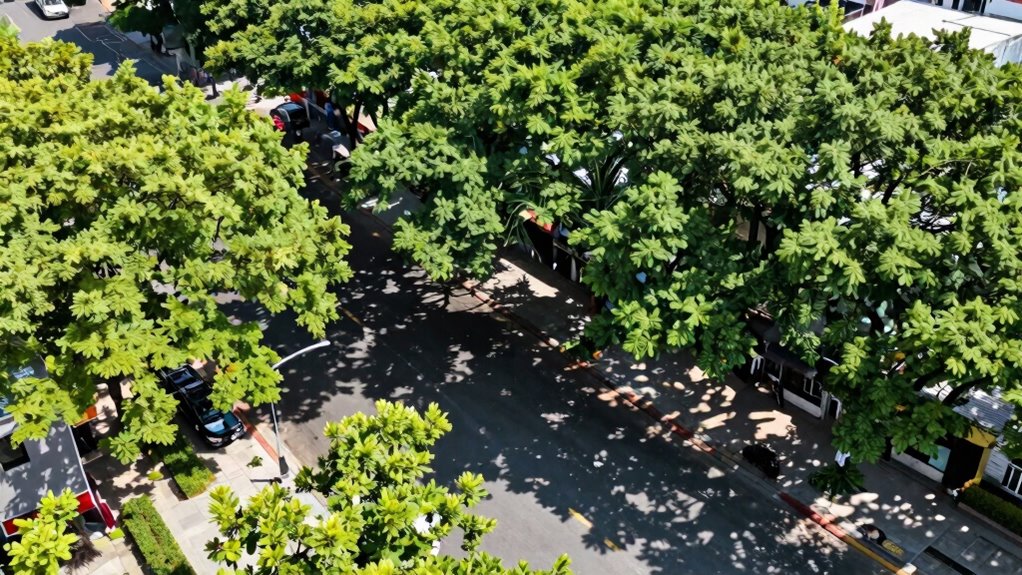
Have you ever considered that trees are more than just greenery—they’re essential infrastructure in your neighborhood? They play a pivotal role in shaping the environment around you, especially when it comes to managing urban heat and stormwater. In cities and suburban areas alike, the tree canopy acts as a natural shield, reducing temperatures and controlling water flow in ways that benefit everyone. When you look around, you might not realize how much of an impact those trees have on your daily life, but their presence is indispensable for creating a resilient, livable community. Recognizing biodiversity as a foundational element highlights how diverse plant life contributes to the robustness of urban ecosystems. Supporting urban ecosystems through tree planting and preservation efforts is essential for long-term community resilience. Additionally, understanding the importance of green infrastructure can help communities prioritize investments in natural solutions over costly engineered alternatives. As more cities adopt policies that promote nature-based solutions, the role of trees as critical infrastructure becomes increasingly evident.
Urban heat is a growing concern as concrete and asphalt dominate landscapes, trapping heat and making summers unbearably hot. Trees help combat this by providing shade and releasing moisture into the air through a process called transpiration. This cooling effect can lower ambient temperatures markedly, making streets and neighborhoods more comfortable and reducing the need for air conditioning. Without a healthy tree canopy, you’re likely to experience more extreme heat waves, which can strain energy systems and jeopardize public health, especially for vulnerable populations. Recognizing trees as a form of infrastructure means understanding their essential role in creating a cooler, more sustainable urban environment.
Stormwater management is another critical aspect where trees prove indispensable. During heavy rains, the ground often struggles to absorb excess water, leading to flooding and water pollution. Trees act like natural sponges, intercepting rainfall on their leaves and branches and allowing it to slowly seep into the ground. Their roots help improve soil permeability, reducing runoff and filtering pollutants before water reaches storm drains and waterways. This not only lessens the risk of floods but also helps protect water quality in nearby lakes, rivers, and streams. When you consider stormwater management as part of neighborhood infrastructure, it becomes clear that maintaining and expanding urban tree canopies can save communities money and reduce reliance on costly engineered solutions.
In essence, trees are not just aesthetic additions—they are dynamic, functional elements of neighborhood infrastructure. They mitigate the urban heat island effect, making your environment cooler and more livable. They also serve as natural stormwater systems, helping prevent flooding and reducing pollution. When city planners and residents alike recognize trees in this light, they become more committed to protecting and expanding the green canopy. This approach ensures that urban areas can adapt to climate challenges while enhancing quality of life for everyone. Ultimately, viewing trees as infrastructure underscores their importance—not just for beauty, but as fundamental components of a resilient, healthy community.
As an affiliate, we earn on qualifying purchases.
Frequently Asked Questions
How Do Trees Improve Neighborhood Safety Beyond Aesthetics?
Trees improve neighborhood safety by providing shade that keeps streets cooler and highlighting walkways, making it easier for you to see and be seen. Healthy trees support community engagement, encouraging neighbors to spend time outside and watch for safety concerns. When you care for tree health, you foster a safer environment, reducing crime and accidents. Overall, a thriving tree canopy strengthens community bonds while enhancing safety beyond just visual appeal.
What Are the Costs Associated With Expanding Tree Canopies?
Expanding tree canopies costs money, much like tending a garden requires ongoing effort. You’ll face expenses for tree maintenance, including pruning and health checks, and initial planting costs. Funding strategies like grants, community fundraising, and public-private partnerships can help. For example, a city might allocate budget for urban forestry, but long-term maintenance remains essential. These investments improve neighborhood safety and environmental health, making the costs worthwhile over time.
How Can Residents Actively Participate in Tree Canopy Preservation?
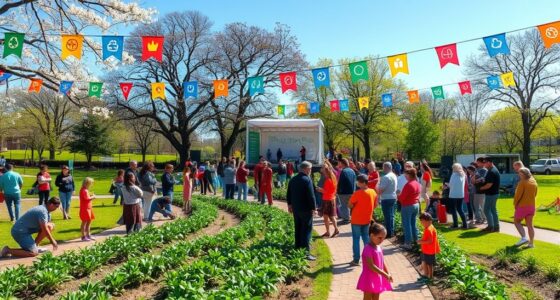
You can actively participate in tree canopy preservation by joining community planting events, where your efforts help expand and maintain local greenery. Volunteer stewardship programs also allow you to care for existing trees, ensuring their health and longevity. By engaging in these activities, you contribute directly to a healthier neighborhood, fostering a shared sense of responsibility, and helping sustain the benefits that a robust tree canopy provides for everyone.
Are There Legal Protections for Urban Trees in Neighborhoods?
Yes, there are legal protections for urban trees through legal statutes and urban ordinances. These laws often prohibit harming or removing protected trees without permits, and they may require property owners to maintain or replace trees. You should check your local regulations, as protections vary by city or neighborhood. Participating in community efforts can help enforce these laws and promote healthier, more resilient tree canopies.
How Does Climate Change Impact Urban Tree Canopy Sustainability?
Climate change acts like a relentless storm, threatening your urban tree canopy’s survival. You’ll see increased heat stress, drought, and storms that challenge trees’ health. By supporting climate adaptation efforts, you help trees continue their essential role in carbon sequestration, cooling neighborhoods, and improving air quality. Preserving your tree canopy isn’t just aesthetic; it’s a key part of building resilient, sustainable communities against climate impacts.
Conclusion
Your neighborhood’s tree canopy is more than just leafy beauty; it’s the backbone of your community’s health and importance. Think of it as a green shield, quietly working to cool streets, clean the air, and nurture your surroundings. When you nurture your trees, you’re planting the roots of resilience and harmony. So, embrace this living infrastructure—because when your trees thrive, your neighborhood blossoms in return, a lush symphony of life and longevity.
Fall yard work Picks
leaf blowers
As an affiliate, we earn on qualifying purchases.