
Public cooling spaces are essential during heat waves because they give you safe, accessible places to escape extreme temperatures and prevent heat-related illnesses. They serve as refuges for vulnerable populations and help build stronger communities by promoting social interaction. Well-designed cooling spots can reduce feelings of isolation and support emergency preparedness. If you want to understand how these spaces can best serve your community and protect lives, keep exploring these important strategies.

Get garden gear delivered free — and shop member deals
- Fast, free delivery on millions of items
- Access to Prime Big Deal Days deals on October 6–7
- Prime Video, Amazon Music and more included
Key Takeaways
- Provide immediate relief and prevent heat-related illnesses during intense heat waves.
- Offer safe, accessible refuges for vulnerable populations, including the elderly and low-income residents.
- Promote social interaction and community cohesion amid extreme weather conditions.
- Enhance urban climate resilience through natural cooling and well-planned infrastructure.
- Support emergency response efforts and strengthen community preparedness during heat emergencies.
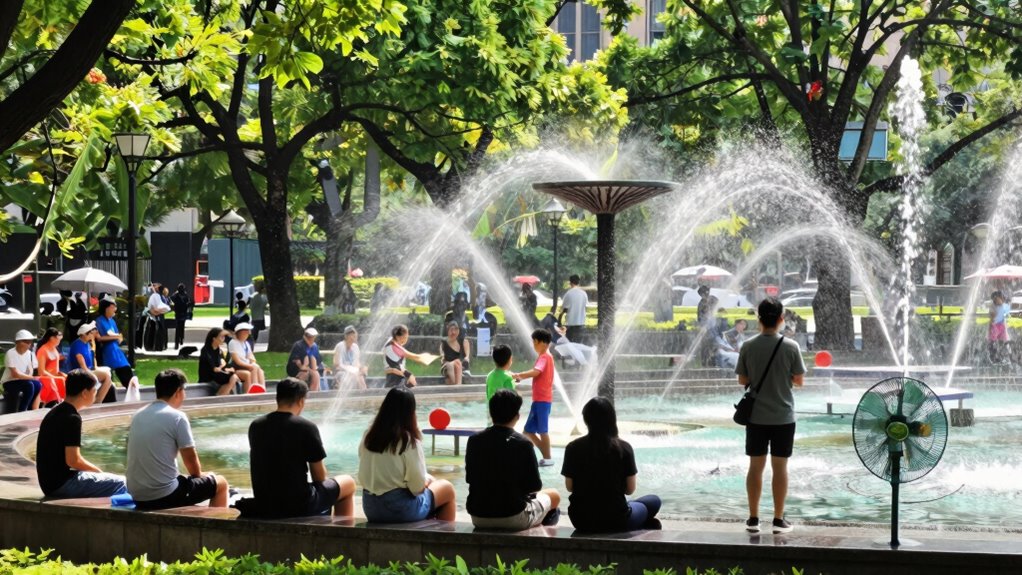
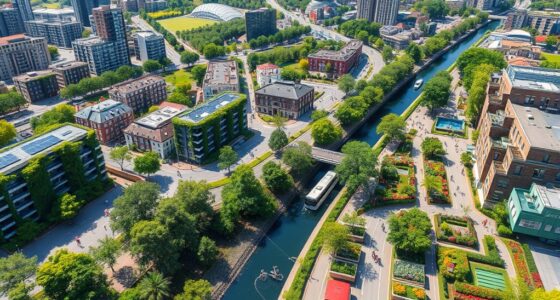
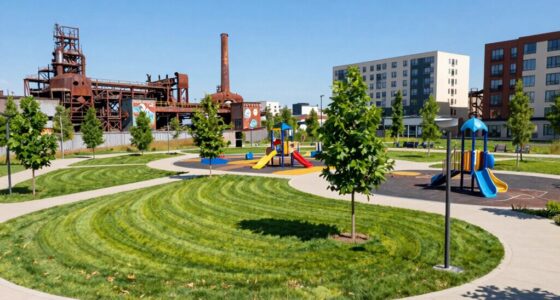
Have you ever wondered where you can find relief during an intense heat wave? Public cooling spaces are essential during these extreme weather events, offering a refuge for everyone, especially for vulnerable populations. These spaces are designed to reduce heat exposure and prevent heat-related illnesses, but their effectiveness depends heavily on thoughtful urban planning and active community engagement. Urban planning plays a pivotal role in creating accessible, well-distributed cooling centers that are easy to reach, properly shaded, and equipped with necessary amenities. When city officials prioritize heat mitigation in their planning, they can incorporate parks, shaded plazas, and air-conditioned facilities into neighborhoods that lack natural cooling options. Proper urban design ensures that these spaces are not just available but also convenient, reducing the risk of heat exhaustion and dehydration during scorching days. Additionally, integrating ventilation and air quality solutions can enhance comfort and safety within these cooling spaces. These enhancements can also improve the overall urban climate resilience**, making cities better prepared for future heat events. Creating adaptive infrastructure** is vital to ensure these spaces remain functional and effective as climate conditions continue to change.
Thoughtful urban planning creates accessible, shaded cooling spaces essential for heat relief and community resilience.
Community engagement is equally indispensable. When residents are involved in the planning process, they help identify the most needed locations and specific features that make cooling spaces inviting and usable. Engaging with local communities builds trust and ensures that the spaces reflect the diverse needs of the population. For example, some communities may prioritize sites with accessible transportation, while others might need culturally sensitive facilities or language-specific signage. By actively involving residents in decisions, city planners can create more inclusive and effective cooling solutions. Plus, community engagement fosters a sense of ownership, encouraging people to use these spaces regularly and care for them.
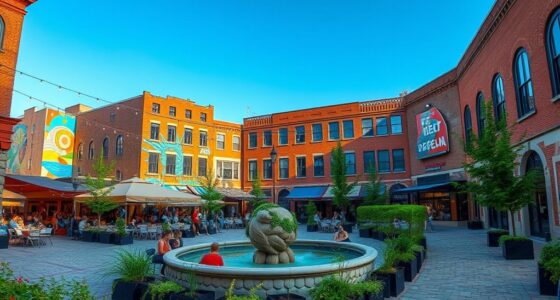
The importance of public cooling spaces extends beyond immediate heat relief. They serve as community hubs where people can gather, socialize, and access essential resources during emergencies. This social aspect can help reduce the isolation often felt during heat waves, especially among the elderly or those with limited mobility. When urban planning integrates these spaces thoughtfully and involves residents in their development, it enhances overall resilience. It ensures that during a heat wave, everyone, regardless of age or background, has a safe place to turn to.
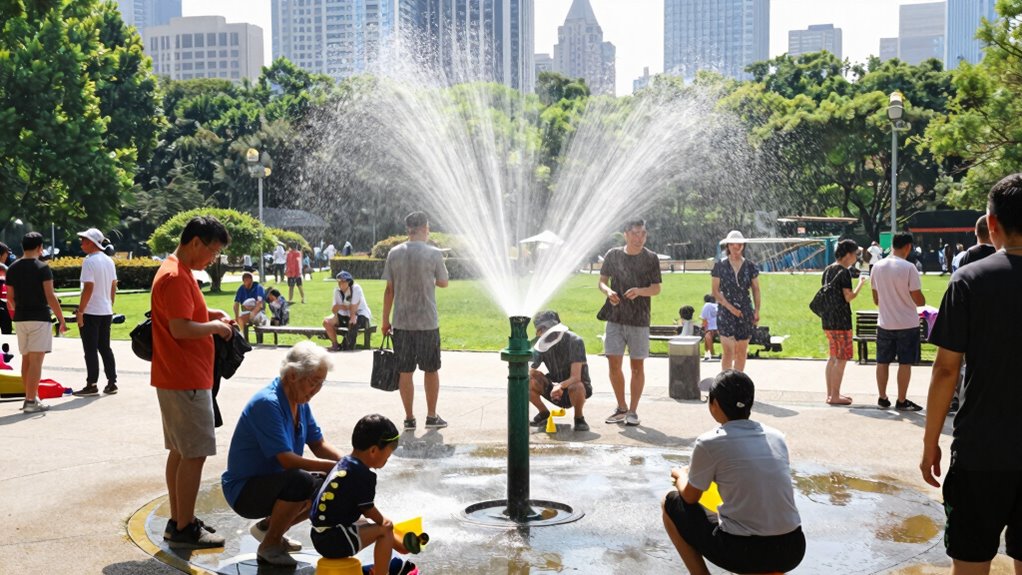
In essence, public cooling spaces are more than just shady spots—they’re a critical part of a city’s climate adaptation strategy. Their success relies on strategic urban planning that considers the layout and accessibility, combined with genuine community engagement to meet the actual needs of residents. When these elements come together, they create a network of safe, welcoming environments that can help communities withstand the increasing frequency and intensity of heat waves, saving lives and strengthening social bonds.
As an affiliate, we earn on qualifying purchases.
Frequently Asked Questions
How Do Public Cooling Spaces Impact Local Energy Consumption?
Public cooling spaces reduce your local energy consumption by providing shared cooling options, which boosts energy efficiency. Instead of relying solely on individual air conditioning units, people gather in these spaces, lowering overall energy use. This approach promotes better resource management, as fewer appliances run simultaneously, decreasing strain on the power grid during heat waves. Ultimately, public cooling spaces help you stay cool while conserving energy and managing resources wisely.
Are There Any Health Risks Associated With Using Cooling Spaces?
Using cooling spaces is generally safe, but you should be aware of potential health risks like poor indoor air quality or overheating if ventilation is inadequate. To maximize cooling efficiency and reduce risks, make certain the space is well-ventilated and maintained properly. If you have respiratory issues or allergies, consider wearing a mask. Staying hydrated and limiting time in overly cooled environments also helps prevent health problems.
How Do Cooling Spaces Accommodate Vulnerable Populations?
Cooling spaces accommodate vulnerable populations through targeted community outreach and accessibility improvements. You’re encouraged to spread awareness about available resources and guarantee these spaces are easy to reach, especially for seniors, disabled individuals, and low-income residents. By designing accessible entrances, providing transportation options, and offering multilingual support, you’ll help vulnerable groups stay safe and cool during heat waves, making cooling spaces inclusive and effective for everyone.
What Funding Sources Support the Creation of Cooling Centers?
You can find funding sources like government grants, local budgets, and nonprofit donations that support the creation of cooling centers. Funding mechanisms often include state and federal grant opportunities specifically aimed at public health and climate resilience. By accessing these grants, you can secure the necessary funds to establish and maintain cooling spaces, ensuring vulnerable populations stay safe during heat waves. Actively pursuing diverse funding sources strengthens community resilience.
How Effective Are Cooling Spaces in Preventing Heat-Related Illnesses?
Cooling spaces considerably safeguard you from heat-related illnesses by providing thermal comfort and improving air quality. When you seek refuge there, you reduce risks like heat exhaustion and heatstroke. These spaces create cool environments that combat scorching temperatures, ensuring your health and safety. By offering a cool, clean atmosphere, cooling centers help you stay comfortable, preventing serious health issues during intense heat waves.
Conclusion
You might think public cooling spaces are just comfortable spots during heat waves, but they actually play a essential role in saving lives. Studies suggest they can greatly reduce heat-related illnesses and fatalities, especially for vulnerable populations. So, next time you see a cooling center, remember it’s more than just a refuge—it’s a critical part of community resilience. Embracing these spaces could be the key to surviving increasingly intense heat waves.
Fall yard work Picks
leaf blowers
As an affiliate, we earn on qualifying purchases.