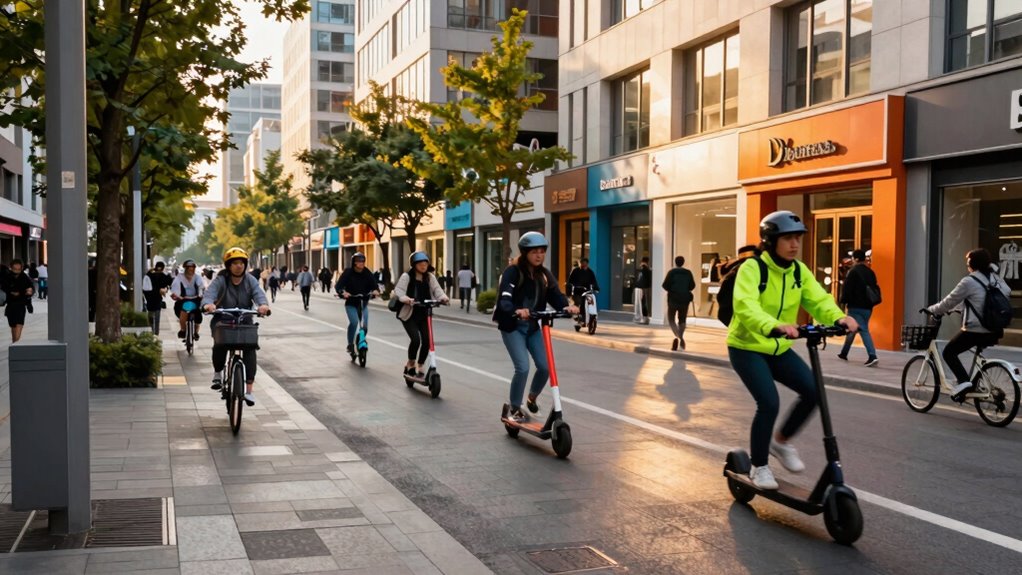

Micromobility redefines local travel by making short trips quicker, easier, and more convenient. You can navigate neighborhoods with dedicated bike lanes, parking zones, and charging stations, reducing reliance on cars. This shift improves accessibility, supports sustainable choices, and helps cut pollution and traffic congestion. Streets become safer and more welcoming for pedestrians and cyclists. If you keep exploring, you’ll discover how these changes shape healthier, more connected urban environments and transforming how you experience local travel every day.
Open a free Amazon Business account
Business pricing, bulk buying and tax-exempt orders.
As an affiliate, we earn on qualifying purchases.
Key Takeaways
- Micromobility expands the definition of “local travel” to include short, efficient trips within neighborhoods and community spaces.
- It enhances accessibility for diverse populations, making local travel more inclusive and flexible.
- Micro-vehicles promote sustainable, eco-friendly trips, shifting focus from car-centric local travel to cleaner options.
- Infrastructure redesign prioritizes dedicated lanes and zones, redefining how local routes are navigated and utilized.
- The integration of micromobility fosters more connected, livable communities with healthier, active lifestyles.
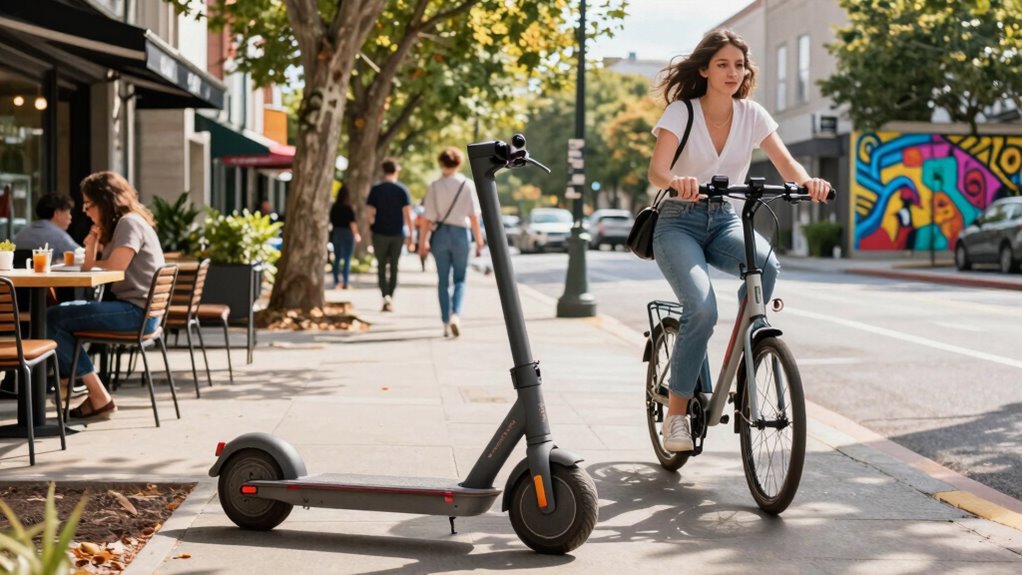
Micromobility has rapidly transformed how people navigate their neighborhoods, making short-distance travel more accessible and efficient. With the rise of e-scooters, bikes, and other small, lightweight vehicles, your daily trips within the city have become faster and less dependent on traditional transportation methods. This shift influences how urban infrastructure is designed, pushing cities to rethink the placement of bike lanes, parking zones, and charging stations to accommodate these new mobility options. As a result, your local environment benefits from reduced traffic congestion and decreased pollution, directly impacting the city’s environmental footprint.
Micromobility transforms urban travel, reducing congestion and pollution with e-scooters, bikes, and innovative infrastructure.
When you incorporate micromobility into your routine, you contribute to a more sustainable urban infrastructure. Cities are investing in dedicated lanes and safe pathways specifically for these vehicles, which not only improves your safety but also encourages more people to choose eco-friendly options over cars. This transition helps alleviate the strain on roads and public transit systems, making your neighborhood more navigable and less congested. Over time, this can lead to a more resilient urban environment, where transportation is more adaptable to daily demands. Additionally, the adoption of these vehicles supports urban sustainability by fostering more environmentally conscious transportation choices.
From an environmental standpoint, your use of micromobility tools significantly reduces carbon emissions compared to traditional car trips. Since these vehicles are electric or human-powered, they produce little to no pollution, helping to improve air quality in your community. This shift isn’t just about individual convenience; it also influences broader environmental impacts by lowering the collective carbon footprint associated with short-distance travel. As more people adopt these modes of transportation, the cumulative effect can be substantial, making your neighborhood cleaner and more livable. Moreover, the increased use of micromobility options encourages cities to prioritize sustainable transportation initiatives, further supporting environmental goals.
Furthermore, micromobility encourages a change in how local spaces are utilized. Streets and parking lots that once prioritized car traffic can be repurposed into pedestrian zones, green spaces, or bike-friendly corridors. This reimagining of urban space enhances your ability to move around freely and safely, fostering a sense of community and encouraging healthier lifestyles. The increased accessibility to these small vehicles also opens up opportunities for those who might have previously found traditional transportation options less feasible, such as residents with limited mobility or those without access to private vehicles. Additionally, the integration of dedicated infrastructure supports safer and more efficient travel for all users. This infrastructure also helps reduce traffic congestion, leading to smoother and more predictable travel times. Moreover, as cities prioritize sustainable transportation solutions, they often incorporate innovative urban planning, which further enhances the overall effectiveness of micromobility.
In essence, micromobility is reshaping your understanding of what “local travel” really means. It’s about more than just getting from point A to B; it’s about transforming urban infrastructure to support sustainable, efficient, and inclusive mobility. The environmental impact is evident in cleaner air and reduced emissions, while the infrastructure improvements create safer, more connected neighborhoods. As this trend continues, your daily journeys become not just more convenient but also more aligned with a healthier, more sustainable future.
As an affiliate, we earn on qualifying purchases.
Frequently Asked Questions
How Affordable Are Micromobility Options Compared to Traditional Transportation?
Micromobility options are generally more affordable than traditional transportation. A cost comparison shows lower fares for scooters and bikes, especially for short trips. In an affordability analysis, you’ll find that owning or renting micromobility devices saves you money on fuel, parking, and maintenance. This makes micromobility an accessible and economical choice for local travel, particularly for daily commutes or quick errands.
What Safety Measures Are Recommended for Micromobility Users?
You should always prioritize helmet safety and rider awareness to stay safe on micromobility devices. Wearing a helmet can protect you during unexpected falls, preventing serious injuries. Stay alert to your surroundings, watch for pedestrians, and obey local traffic laws. These safety measures might seem simple, but they’re essential for preventing accidents and ensuring you enjoy convenient, worry-free travel around your neighborhood. Safety first keeps your journeys smooth and enjoyable.
How Do Micromobility Devices Impact Urban Traffic Congestion?
Micromobility devices reduce urban congestion by offering alternative transportation options that take up less space and move more efficiently through traffic. When you use bikes or e-scooters, you help ease urban congestion and improve traffic flow. This shift encourages fewer cars on the road, leading to less gridlock and quicker travel times. Your choice to opt for micromobility directly contributes to smoother, more manageable traffic in busy city environments.
Are Micromobility Services Accessible for People With Disabilities?
You’ll be glad to know that many micromobility services are working towards greater accessibility, but only about 20% currently feature accessible design. Inclusive technology is key, as companies develop features like adjustable controls and audio cues for riders with disabilities. While progress is ongoing, ensuring all users can access micromobility options requires continued focus on accessible design, making urban travel truly inclusive for everyone.
How Does Weather Affect the Use of Micromobility Options?
Rain impact and temperature effects profoundly influence your use of micromobility options. When it rains, you’re less likely to ride due to slippery surfaces and safety concerns. Cold or extreme heat can make riding uncomfortable or unsafe, discouraging use. You’ll find that weather conditions, especially rain and temperature fluctuations, directly affect how often you choose bikes or scooters for your local travel, making weather an important factor in your mobility plans.
Conclusion
As you navigate this evolving landscape, remember that micromobility gently reshapes your sense of local travel, inviting you to see your surroundings anew. It’s not just about getting from point A to B, but about embracing a quieter, more nuanced connection to your neighborhood. In this subtle shift, you might find that the true essence of local exploration isn’t lost but quietly transformed—offering you a fresh perspective on familiar streets.
Flea & tick season Picks
flea and tick prevention
As an affiliate, we earn on qualifying purchases.