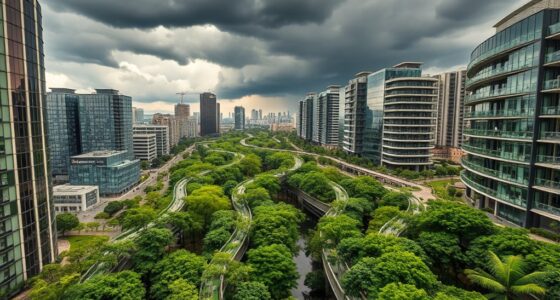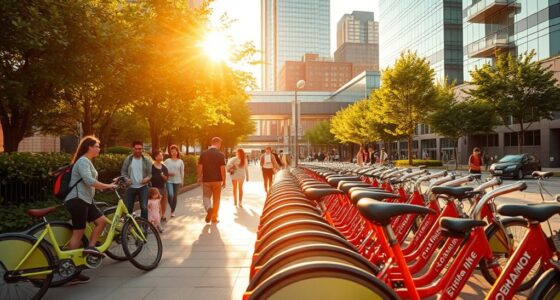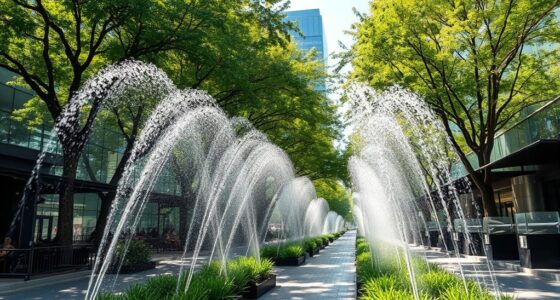
Brownfield redevelopment matters for your community’s health because it helps identify and clean up contamination, reducing health risks. It also involves you early in planning, ensuring that local concerns and ideas shape the project. This collaborative approach turns neglected sites into safe, useful spaces that promote social cohesion and economic growth. When neighborhoods are redeveloped responsibly, they become healthier, safer places to live and work. Keep exploring to discover how these efforts create lasting community benefits.

Get garden gear delivered free — and shop member deals
- Fast, free delivery on millions of items
- Access to Prime Big Deal Days deals on October 6–7
- Prime Video, Amazon Music and more included
Key Takeaways
- Redevelopment reduces exposure to environmental contaminants, minimizing health risks for residents and workers.
- It transforms contaminated sites into safe, usable spaces, promoting physical activity and mental well-being.
- Community engagement ensures health concerns are addressed, fostering trust and better health outcomes.
- Comprehensive assessments guide effective cleanup efforts, preventing long-term health issues.
- Revitalized sites support economic growth and social cohesion, enhancing overall community health and resilience.
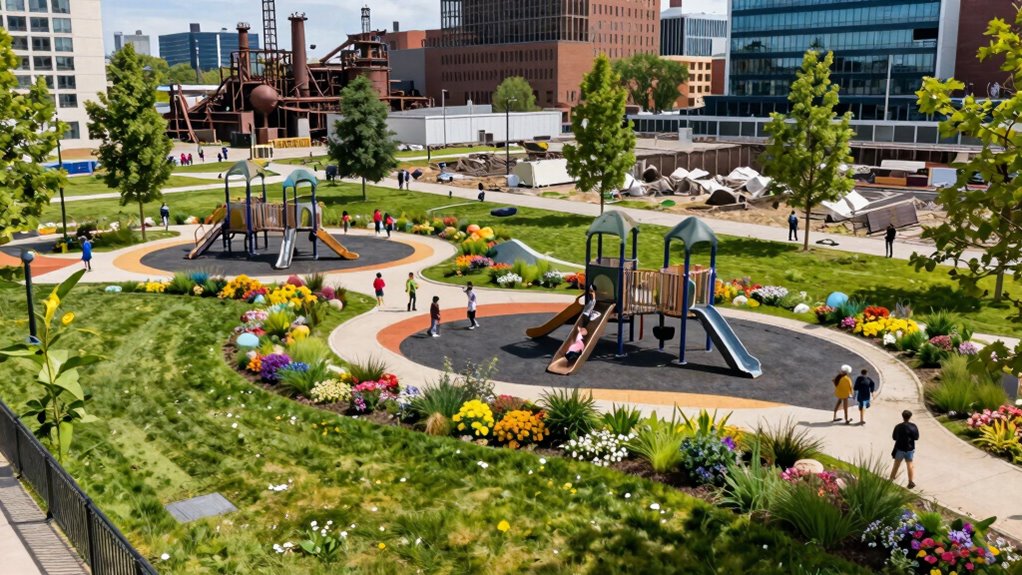
Brownfield sites—previously contaminated properties—pose both challenges and opportunities for communities. When these sites are considered for redevelopment, an environmental assessment becomes a pivotal first step. This assessment helps you understand the extent of contamination, identify health risks, and determine what cleanup efforts are necessary. This step is crucial because it ensures that redevelopment plans address real issues, making the site safer for future use. It also demonstrates responsible planning, which can help attract funding and support from government agencies or developers.
Environmental assessments are essential for safe, responsible brownfield redevelopment and attracting community support and funding.
However, technical assessments alone aren’t enough. Public participation plays an essential role in brownfield redevelopment. When you involve community members early in the process, you make sure that local concerns, ideas, and priorities shape the project. This inclusive approach fosters trust and transparency, making residents more comfortable with redevelopment plans. You’ll hear firsthand about health issues or environmental worries that might not be immediately obvious from scientific data. Incorporating environmental assessments into community planning helps to prevent unforeseen hazards and ensures a comprehensive approach to redevelopment. Engaging residents early can also improve the overall community resilience, making neighborhoods better prepared for future challenges. When residents feel heard, they’re more likely to support cleanup efforts and future reuse projects, paving the way for healthier, more vibrant neighborhoods.
Revitalizing brownfield sites isn’t just about removing hazards; it’s about transforming contaminated spaces into assets that promote community health. As you plan redevelopment, you need to integrate environmental assessments with ongoing public participation to create sustainable, health-conscious solutions. This process might involve public meetings, workshops, or surveys that allow residents to voice their concerns and contribute ideas. By doing so, you build a shared understanding of risks and benefits, fostering a collaborative environment where all stakeholders work toward common goals. This approach not only mitigates environmental hazards but also encourages community engagement, which is essential for long-term success. It also helps to foster a sense of ownership and pride among residents, strengthening social bonds. Incorporating community input can lead to innovative solutions that better serve local needs. Recognizing the importance of environmental justice ensures that redevelopment benefits all community members fairly, especially those historically impacted by pollution. Additionally, integrating public health data into planning can help prioritize actions that will have the most positive impact on residents’ well-being. This approach not only mitigates environmental hazards but also improves mental well-being, social cohesion, and overall quality of life.
In the end, brownfield redevelopment matters because it addresses health risks head-on while empowering communities. When you prioritize detailed environmental assessments and active public participation, you lay the foundation for safer, healthier neighborhoods. These efforts turn once-contaminated sites into opportunities for community growth, economic development, and improved public health. You become an essential part of creating spaces where people can live, work, and thrive without fear of environmental hazards, ensuring long-term community resilience.
environmental assessment kit for soil and water
As an affiliate, we earn on qualifying purchases.
As an affiliate, we earn on qualifying purchases.
Frequently Asked Questions
How Long Does Brownfield Redevelopment Typically Take?
Brownfield redevelopment usually takes anywhere from a few months to several years, depending on the site’s complexity. You’ll need to prioritize environmental remediation, which removes hazards and prepares the land for reuse. This process can be lengthy but is essential for community revitalization. Your efforts in clean-up and redevelopment not only improve safety but also spark economic growth and healthier living environments. Patience and proper planning are key to successful transformation.
What Funding Options Are Available for Brownfield Projects?
You can access various funding options for brownfield projects through diverse strategies. Grant opportunities from federal, state, and local agencies, like the EPA’s Brownfield Program, provide essential support. Additionally, you might explore loans, tax incentives, and public-private partnerships. Combining these funding strategies can help you cover cleanup costs, redevelopment expenses, and guarantee your project advances efficiently, ultimately revitalizing your community’s health and economy.
Are There Legal Liabilities Involved in Redeveloping Brownfields?
Yes, there are legal liabilities involved in redeveloping brownfields. You must prioritize legal compliance by following environmental regulations to avoid liability concerns. If contamination is present, you could face cleanup costs or legal action if proper assessments and remediation aren’t handled correctly. It’s crucial to work with legal experts to understand potential liabilities and ensure you meet all regulatory requirements, reducing risks during your redevelopment project.
How Do Brownfield Sites Impact Local Property Values?
Imagine a once-thriving neighborhood, now a vacant lot scarred by neglect. Brownfield sites often lower local property values due to environmental cleanup costs and perceived risks. When communities invest in redevelopment, property values typically increase, sparking revitalization. This process attracts new residents and businesses, transforming blighted areas into vibrant spaces. Your involvement in brownfield redevelopment can boost local economies and enhance community health through positive change.
What Industries Benefit Most From Brownfield Redevelopment?
You’ll find that industries like manufacturing, real estate, and environmental services benefit most from brownfield redevelopment. Industrial revitalization attracts these sectors by transforming contaminated sites into productive spaces. Environmental cleanup is essential, as it guarantees safe conditions, making redevelopment feasible. You’ll see increased investment, job creation, and economic growth in your community as these industries thrive on cleaned-up sites, turning blighted areas into valuable assets.
Conclusion
Reclaiming brownfields isn’t just about revitalizing old sites; it’s about breathing new life into your community. When you support redevelopment, you clear away hidden hazards and plant seeds for healthier living, stronger economies, and vibrant neighborhoods. Think of it as turning a scar into a story of renewal. Your involvement can be the catalyst that transforms a neglected space into a thriving hub where health and hope flourish—making your community’s future brighter and safer.
Halloween Picks
halloween
As an affiliate, we earn on qualifying purchases.