
TL;DR

Get garden gear delivered free with Prime
- Fast, free delivery on millions of items
- Prime Video, Amazon Music and more included
- Member-only deals all year
A hose pipe ban has been introduced in several UK regions as drought conditions worsen. Authorities aim to conserve water but the ban’s scope and duration remain uncertain. This development impacts daily water use and highlights ongoing climate challenges.
Authorities in parts of the UK have implemented a hose pipe ban to address ongoing drought conditions, impacting domestic and commercial water use. This move is aimed at conserving water amid prolonged dry weather, with the ban now in effect across affected regions.
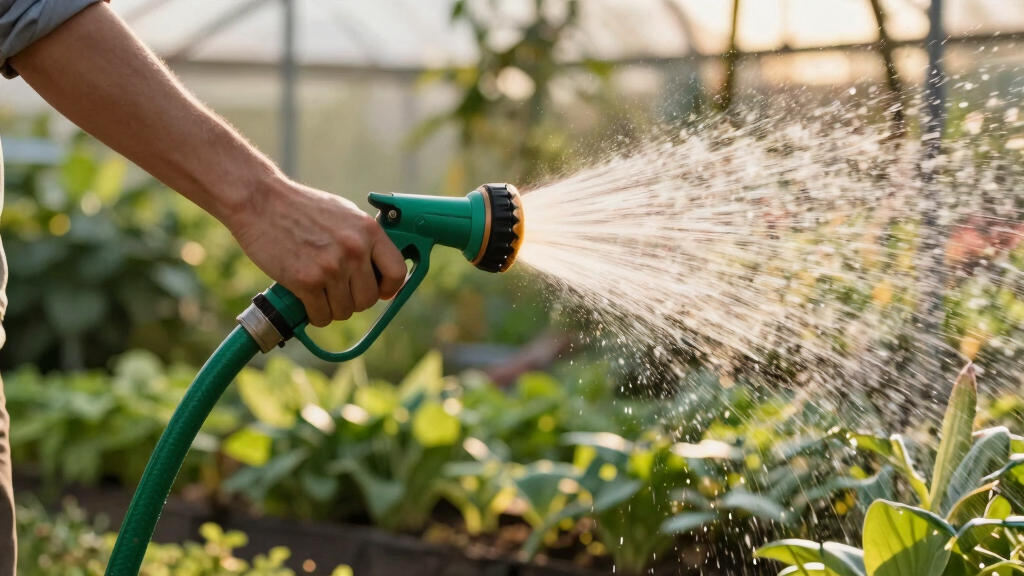
The hose pipe ban was announced by Anglian Water on March 15, 2024, covering several counties in eastern England. The ban prohibits the use of hose pipes for watering gardens, cleaning vehicles, and other non-essential outdoor activities. Officials stated that the measure is necessary due to persistent dry weather and low reservoir levels, which threaten water supplies.
Anglian Water spokesperson Sarah Collins said, “We are taking this step to protect our water resources and ensure supply stability for all customers. We ask residents to comply with the restrictions and use water responsibly.” The ban is expected to last until rainfall improves conditions, but no definitive end date has been set.
Local authorities have also issued guidance urging residents to reduce water consumption and avoid wasteful practices. The ban affects approximately 3 million households and numerous businesses in the region.
Impacts on Water Conservation and Daily Life
The hose pipe ban underscores the severity of ongoing drought conditions in the UK and the importance of water conservation measures. It highlights how climate variability is affecting resource management and could lead to further restrictions if conditions do not improve. For residents, the ban means adjusting outdoor routines and being more mindful of water use, which could have economic and social implications, especially for businesses reliant on outdoor maintenance.
As an affiliate, we earn on qualifying purchases.
Recent Drought Developments and Water Management Response
Over the past few months, parts of the UK, including eastern England, have experienced below-average rainfall, leading to declining reservoir levels and increased drought risk. Authorities have previously issued warnings, but the recent declaration of a hose pipe ban marks a significant escalation in water conservation efforts. Similar measures have been implemented in other regions during past droughts, but this is among the most widespread in recent years, reflecting growing climate concerns.
“”We are taking this step to protect our water resources and ensure supply stability for all customers.””
— Sarah Collins, Anglian Water spokesperson
Duration and Scope of the Hose Pipe Ban Remain Unclear
It is not yet clear how long the hose pipe ban will remain in effect or whether additional restrictions will follow if drought conditions persist. Authorities have not specified an end date, and the situation depends on future rainfall and reservoir recovery. There is also uncertainty about whether other regions will implement similar measures.
Monitoring Weather and Reservoir Levels for Policy Adjustments
Officials will continue to monitor weather patterns and reservoir levels to determine the duration of the ban. Authorities may lift or extend restrictions based on rainfall and water supply conditions. Public advisories and water-saving campaigns are expected to continue to promote responsible usage. Further updates are anticipated in the coming weeks as the situation develops.
Key Questions
Who is affected by the hose pipe ban?
The ban affects approximately 3 million households and numerous businesses across parts of eastern England, including counties served by Anglian Water.
What activities are prohibited under the hose pipe ban?
The ban prohibits using hose pipes for watering gardens, washing vehicles, cleaning outdoor surfaces, and other non-essential outdoor water uses.
How long will the hose pipe ban last?
The duration is currently unclear; it depends on weather conditions and reservoir levels. Authorities have not set a specific end date.
Are there penalties for violating the ban?
Yes, violations may result in fines or other penalties, as outlined by local water regulations and enforcement agencies.
Could other regions implement similar restrictions?
Yes, if drought conditions worsen elsewhere, additional areas may adopt similar water conservation measures.
Source: google-trends
Fall yard work Picks
leaf blowers
As an affiliate, we earn on qualifying purchases.