
TL;DR
Open a free Amazon Business account
Business pricing, bulk buying and tax-exempt orders.
Create a free accountAs an affiliate, we earn on qualifying purchases.
Gardening interest in clematis care peaks in September, with experts emphasizing five key tasks to enhance blooms and protect plants for next year. These steps are based on observed trends, but specific recommendations remain unconfirmed.
Gardeners are advised to focus on five specific tasks this September to boost their clematis’ blooms and ensure healthy growth for next year, according to recent gardening trend observations. While these recommendations are widely discussed among horticulturists, they are based on ongoing trend signals rather than official guidelines. This advice is relevant for anyone looking to maximize their clematis display in the upcoming season.
Recent gardening trend data indicates a spike in interest in clematis care during September, with many gardeners seeking methods to enhance flowering and plant longevity. Experts suggest that this period is critical for pruning, feeding, and protecting clematis, especially as the plant prepares for dormancy and the next growth cycle.
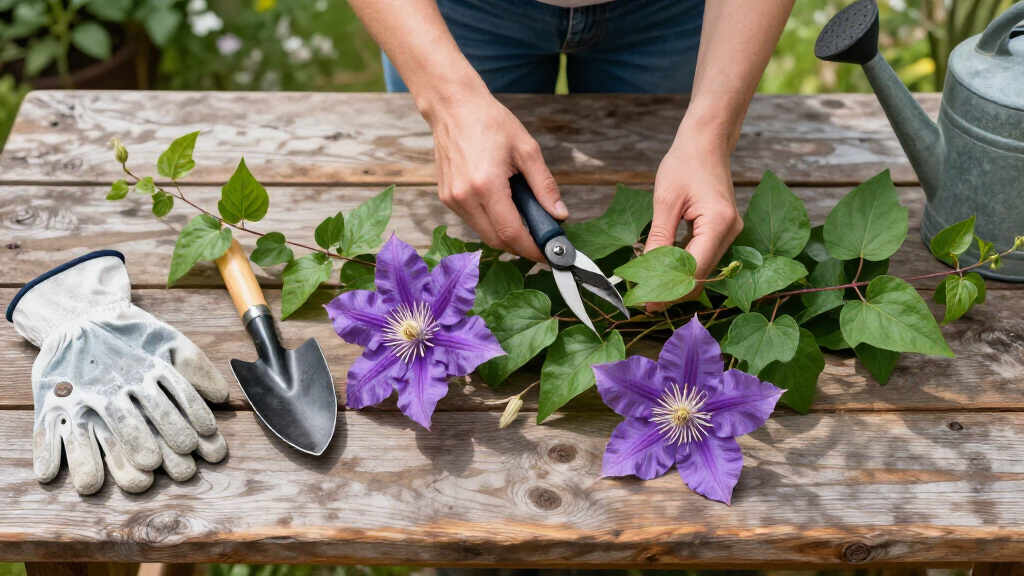
One confirmed practice is the importance of pruning, which helps shape the plant and encourages vigorous flowering. Gardeners are encouraged to prune back dead or weak stems and to remove any old growth that could hinder new growth. Proper pruning timing depends on the clematis variety, but generally, late summer to early autumn is ideal for many types.
In addition to pruning, applying a balanced fertilizer is recommended to supply essential nutrients that support bloom production. Experts advise using a low-nitrogen fertilizer to promote flowering rather than excessive leafy growth. Mulching around the base of the plant can also help conserve moisture and regulate soil temperature, which is crucial as the weather begins to cool.
Protection measures, such as tying in new growth or shielding against early frosts, are also emphasized. Some sources suggest that mulching and covering can prevent damage from unexpected cold snaps, although specific protective techniques vary depending on regional climate conditions.
While these practices are widely recommended, it is important to note that precise timing and methods can differ based on the clematis variety and local climate. Gardeners are advised to observe their plants closely and adjust care routines accordingly.
Why September Clematis Care Matters for Garden Success
Focusing on these five tasks in September can significantly improve the health and flowering of clematis, which is a popular ornamental vine. Proper care now not only enhances current blooms but also supports the plant’s resilience and vigor for next year’s display. As interest in clematis gardening rises, following these guidelines can help gardeners achieve more vibrant and sustained flowering, making it a worthwhile investment of time and effort.
Moreover, proactive care during this period can prevent common issues such as disease, pest infestation, and winter damage. This is especially important as climate variability increases, with unexpected frosts and weather fluctuations becoming more common.
In essence, timely September maintenance aligns with best gardening practices and can lead to a more satisfying and successful clematis experience, whether for casual gardeners or seasoned horticulturists.
As an affiliate, we earn on qualifying purchases.
Current Trends and Growing Interest in Clematis Maintenance
Recent gardening trend signals indicate a rising interest in clematis care during September, driven by gardeners seeking to extend and improve their flowering season. While specific studies or official guidelines are not yet available, the trend reflects a broader focus on plant health and seasonal preparation for flowering plants.
This increased attention may be influenced by a combination of social media sharing, gardening forums, and horticultural advice that emphasizes the importance of timely pruning, feeding, and protection. Historically, September has been recognized as a key month for preparing perennials and climbers for winter dormancy, and current signals suggest a similar focus on clematis.
It is important to note that these observations are trend-based and not yet backed by formal research or official horticultural recommendations. The exact best practices may evolve as more data becomes available.
Unconfirmed Recommendations and Regional Variations
While these five tasks are broadly suggested by gardening trends, specific timing, techniques, and the effectiveness of certain practices remain unconfirmed by formal research. Regional climate differences also influence the best approach, and gardeners should adapt advice to local conditions. It is unclear whether all these practices will yield the same results across different clematis varieties or gardening zones.Monitoring Trends and Awaiting Formal Guidelines
Gardening experts and horticultural institutions are expected to publish more detailed, evidence-based guidelines for clematis care in the coming months. Gardeners should continue observing their plants and adjust practices based on local weather and plant response. As the season progresses, updates from gardening authorities will clarify the most effective methods for September maintenance and beyond.Key Questions
When is the best time to prune clematis in September?
The optimal pruning time depends on the clematis variety, but generally, late summer to early autumn is suitable for most types. Gardeners should identify their specific clematis and follow tailored pruning guidelines.
What type of fertilizer should I use for clematis in September?
A low-nitrogen fertilizer is recommended to promote flowering rather than excessive leafy growth. Organic options or balanced fertilizers with a focus on phosphorus and potassium are suitable.
How can I protect my clematis from early frosts?
Applying mulch around the base and covering the plant with protective fabric or straw can help prevent frost damage. Regional climate and weather forecasts should guide protective measures.
Are these care tips suitable for all clematis varieties?
No, care routines may vary depending on the specific type of clematis. Gardeners should identify their variety and consult tailored guidelines for optimal results.
Will following these tasks guarantee more blooms next year?
While these practices can improve overall plant health and flowering potential, environmental factors and plant genetics also influence bloom production. They are recommended as best practices but do not guarantee specific results.
Source: rss
NFL season / tailgating Picks
team gear
As an affiliate, we earn on qualifying purchases.