TL;DR

Get garden gear delivered free — and shop member deals
- Fast, free delivery on millions of items
- Access to Prime Big Deal Days deals on October 6–7
- Prime Video, Amazon Music and more included
A natural tonic is claimed to revive exhausted gardens during August, offering a potential solution for gardeners facing plant decline. Its ingredients and effectiveness are not fully disclosed, raising curiosity among horticulturists.
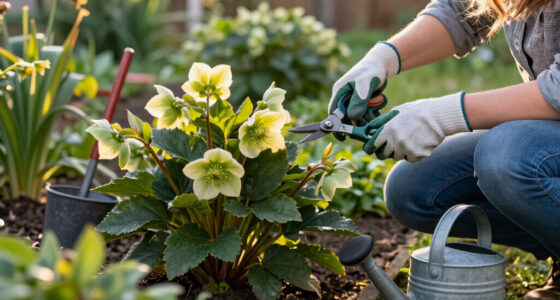
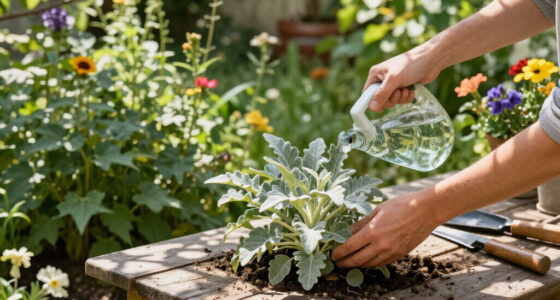
A natural tonic has been widely promoted as a remedy to revive tired, struggling gardens during the month of August. While its proponents claim it can rejuvenate plants and improve garden vitality, the specific ingredients and how it works remain largely undisclosed. This development has caught the attention of gardeners and horticulturists seeking effective solutions for summer plant stress.
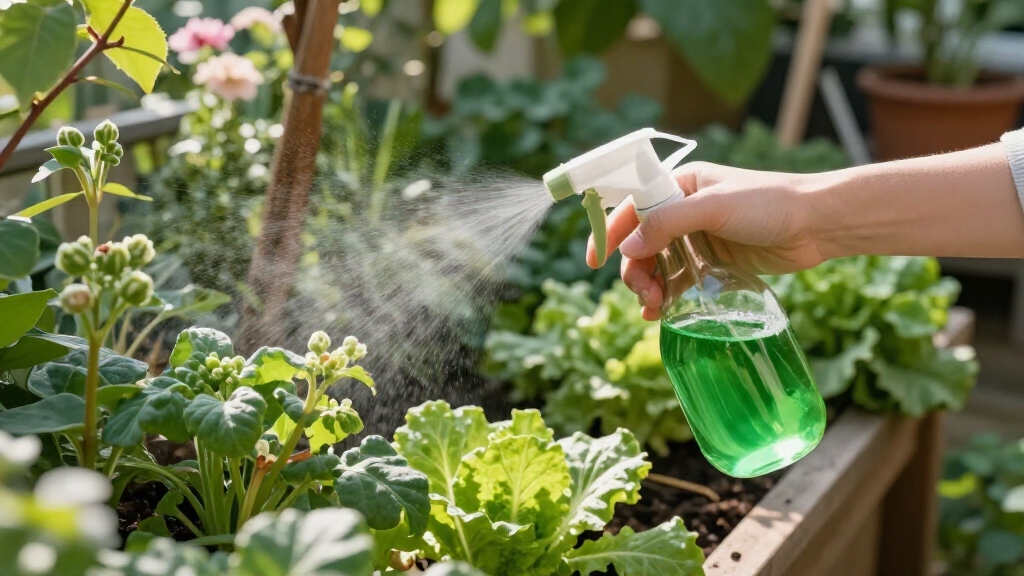
The tonic is described as a ‘natural’ solution that reportedly revitalizes plants suffering from heat stress, drought, or nutrient deficiencies common in August. According to sources, it is being marketed through gardening circles and social media, with many users claiming noticeable improvements in plant health after application. However, the exact formulation of this tonic has not been publicly revealed, leading to speculation about its ingredients and mechanism of action.
Experts consulted by this report note that while natural remedies can sometimes support plant health, the lack of transparency about this tonic’s composition makes it difficult to evaluate its true efficacy. Some horticulturists advise caution, emphasizing that proven practices like proper watering, mulching, and fertilization remain essential. Nonetheless, the tonic’s popularity continues to grow among gardeners eager for a quick fix during peak summer months.
Potential Impact on Summer Gardening Practices
This development matters because it could influence how gardeners manage plant stress during the hottest months. If proven effective, the tonic might reduce plant loss and improve yields, especially in regions experiencing drought or heatwaves. Its popularity also highlights a broader trend toward natural, alternative gardening solutions, which appeal to environmentally conscious consumers.
However, the lack of scientific validation and transparency raises questions about safety and long-term effects. Gardeners and professionals need reliable information before widely adopting such products, making this a noteworthy development in the landscape of DIY and natural gardening remedies.
natural plant tonic for garden revival
As an affiliate, we earn on qualifying purchases.
As an affiliate, we earn on qualifying purchases.
Unexplained Rise in Natural Garden Remedies in August
Over recent years, there has been a growing interest in natural and organic gardening solutions. This summer, an increasing number of gardeners report using a particular natural tonic marketed as a plant revitalizer. While traditional methods like watering and fertilizing are well understood, this tonic’s rise is unusual because its ingredients are not publicly disclosed, and its claimed benefits are largely anecdotal.
The trend coincides with heightened concerns about climate change and extreme weather, which have intensified plant stress. The tonic’s promotion appears to be part of a broader movement toward DIY and natural remedies, although scientific validation remains limited. Historically, similar products have gained popularity through word-of-mouth before undergoing formal testing or regulation.
Unverified Claims and Unknown Composition of the Tonic
It is not yet clear what ingredients comprise the tonic or whether its effects are consistent across different plant types. No independent studies or regulatory reviews have confirmed its safety or efficacy. The marketing claims are primarily anecdotal, and the long-term impact remains unknown. Researchers and gardening authorities have yet to evaluate the product in controlled settings.
Further Testing and Transparency Needed for Validation
Researchers and regulatory bodies are likely to investigate the tonic’s ingredients and effects in the coming weeks. Gardeners are advised to continue using proven practices and approach this product with caution. Manufacturers may eventually disclose more details or face scrutiny if adverse effects or false claims are confirmed.
Meanwhile, gardeners should monitor their plants closely and share their experiences to help build a clearer understanding of this remedy’s true benefits.
Key Questions
Is this natural tonic safe for all types of plants?
It is not yet confirmed whether the tonic is safe for all plant varieties. Caution is advised until more information is available about its ingredients and effects.
What ingredients are used in this tonic?
The ingredients are not publicly disclosed, and their safety and efficacy have not been independently verified.
Can this tonic replace traditional gardening practices?
Experts recommend continuing with proven methods like watering, mulching, and fertilization. The tonic should not replace established practices until its effectiveness is confirmed.
Will this tonic work for plants in different climates?
It is unclear whether the tonic’s benefits extend across various climates or plant species, as scientific testing has not been conducted.
Source: rss
Halloween Picks
halloween
As an affiliate, we earn on qualifying purchases.