
TL;DR

Get garden gear delivered free — and shop member deals
- Fast, free delivery on millions of items
- Access to Prime Big Deal Days deals on October 6–7
- Prime Video, Amazon Music and more included
This article explains the differences between scarifiers and dethatchers, two lawn care tools often confused. Experts clarify which tool is best for specific lawn conditions, aiding homeowners in making informed choices.
Experts have clarified the key differences between scarifiers and dethatchers, two common lawn maintenance tools, emphasizing their specific uses and benefits. Learn more about lawn care routines. This guidance helps homeowners select the appropriate equipment to improve lawn health and prevent damage.
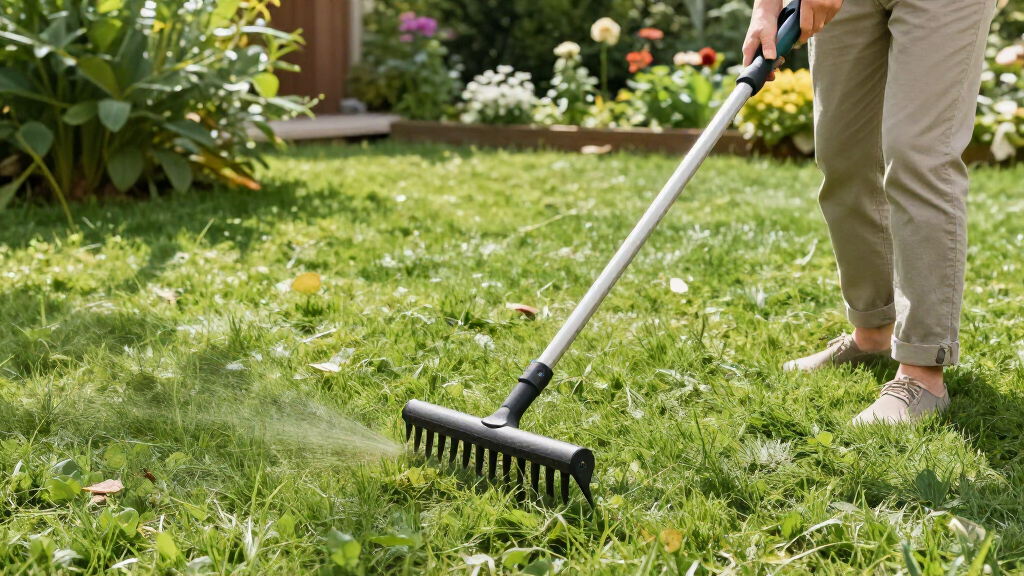
According to lawn care specialists, a scarifier is designed to remove deeper thatch buildup and surface that may include moss, algae, and compacted debris, using blades that cut into the soil. Conversely, a dethatcher primarily loosens and removes surface thatch, which is a layer of dead grass and roots that accumulates between the grass and soil surface. Both tools are used to enhance grass growth, but they serve different purposes. To maintain a healthy lawn, consider reading how often you should mow your lawn. Experts recommend using a scarifier for lawns with thick thatch layers exceeding half an inch, especially in areas prone to moss or poor drainage. For more lawn care tips, visit our lawn maintenance guide. Dethatchers are suitable for lawns with light to moderate thatch buildup, or as a maintenance step in regular lawn care. The choice depends on lawn condition, grass type, and the extent of thatch accumulation, according to horticultural specialists.Why Choosing the Right Tool Matters for Lawn Health
Using the correct tool—scarifier or dethatcher—can significantly impact lawn health and appearance. An inappropriate choice may lead to turf damage, increased weed invasion, or inadequate thatch removal, which can hinder grass growth. Proper tool selection based on lawn condition ensures effective aeration, promotes healthy root development, and reduces the risk of disease. This guidance is especially relevant as homeowners seek to maintain lush, resilient lawns with minimal effort and expense, making informed decisions crucial for long-term lawn care success.As an affiliate, we earn on qualifying purchases.
Background on Lawn Thatch and Maintenance Tools
Thatch is a natural layer of dead grass, roots, and debris that accumulates between the living grass and the soil. While a small amount of thatch can protect roots, excessive thatch (more than 0.5 inches) can impede water, nutrients, and air from reaching the roots. Traditionally, lawn care professionals have used tools like scarifiers and dethatchers to manage thatch buildup. The distinction between these tools has become clearer through recent expert advice, as lawn maintenance practices evolve to prioritize turf health and sustainability. Both tools have been used for decades, but their specific applications are now better understood thanks to recent guidance from horticultural specialists.
“A scarifier digs deeper into the soil and is ideal for heavy thatch or moss, while a dethatcher is better suited for surface-level thatch removal in routine maintenance.”
— John Miller, lawn care specialist
Remaining Questions About Optimal Lawn Care Practices
It is not yet clear how frequently homeowners should use each tool for different grass types and climate conditions. Additionally, the long-term effects of improper use are still being studied, and specific recommendations may vary based on lawn size and soil health. More research is needed to develop standardized guidelines for routine lawn maintenance using scarifiers and dethatchers.Next Steps for Homeowners and Lawn Care Professionals
Lawn care experts suggest that homeowners consult with local horticultural specialists or lawn care professionals to assess their specific lawn conditions before choosing a tool. Manufacturers are expected to release updated guidelines and newer models designed for different lawn types. Future research may establish standardized maintenance schedules and best practices, helping homeowners optimize their lawn care routines. Meanwhile, practical advice recommends assessing thatch depth annually and selecting the appropriate tool accordingly.
Key Questions
Can I use a dethatcher instead of a scarifier?
While a dethatcher can be used for light to moderate thatch, it may not be effective for heavy thatch buildup. For thick thatch or moss, a scarifier is more suitable.
How often should I dethatch or scarify my lawn?
The frequency depends on lawn conditions. Generally, dethatching is done once a year or as needed, while scarifying might be necessary every few years for heavily thatched lawns. Consult local experts for tailored advice.
Are there risks to using these tools improperly?
Yes. Incorrect use of scarifiers or dethatchers can damage grass roots, create uneven surfaces, or disturb soil health. Proper assessment and technique are essential.
What equipment do I need for DIY lawn thatch removal?
Homeowners can rent or purchase electric or manual dethatchers and scarifiers from garden centers. Protective gear such as gloves and eye protection is recommended during use.
Can I combine both tools in one lawn care routine?
Yes, but typically not on the same day. Use a scarifier for heavy thatch removal first, then follow up with a dethatcher for surface-level cleaning as part of a comprehensive lawn maintenance plan.
Source: rss
Fall yard work Picks
leaf blowers
As an affiliate, we earn on qualifying purchases.