TL;DR

Get garden gear delivered free — and shop member deals
- Fast, free delivery on millions of items
- Access to Prime Big Deal Days deals on October 6–7
- Prime Video, Amazon Music and more included
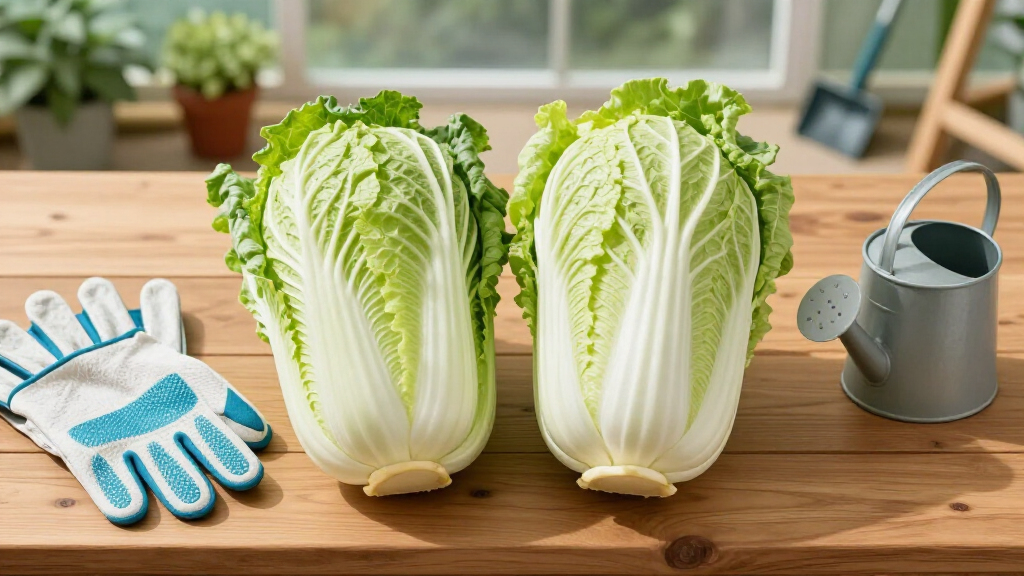
Home gardeners are increasingly cultivating napa cabbage, also called Chinese cabbage, for its culinary versatility and health benefits. This trend is driven by growing interest in Asian cuisine and sustainable gardening practices.
Home gardeners are increasingly cultivating napa cabbage, also known as Chinese cabbage, due to its growing popularity in culinary dishes and health benefits. This trend reflects a broader interest in Asian cuisine and sustainable gardening practices, according to recent reports from gardening sources and horticultural experts.
Recent surveys indicate a surge in napa cabbage planting among home gardeners across the United States and Europe. Experts attribute this rise to the vegetable’s versatility in salads, stir-fries, and fermented foods like kimchi, as well as its nutritional profile rich in vitamins C and K. Local nurseries and seed companies report increased sales of napa cabbage seeds, citing consumer demand for easy-to-grow, nutrient-dense vegetables.
Growing napa cabbage is considered accessible for gardeners of various skill levels. It prefers cool weather and well-drained soil, making it suitable for early spring and fall planting. Gardeners are advised to start seeds indoors or directly sow in the garden, with harvest typically occurring 70-85 days after planting. The crop is also praised for its relatively low maintenance and pest resistance, although it can be affected by pests like aphids and cabbage worms.
Growing Napa Cabbage’s Impact on Home Gardening Trends
This increasing interest in napa cabbage signifies a broader shift toward home-grown, healthful foods and culinary experimentation. As more people seek sustainable and diverse produce options, napa cabbage’s popularity could influence local gardening practices and seed sales. Additionally, its rise reflects a cultural integration of Asian cuisines into Western diets, promoting dietary diversity and food security at the household level.
As an affiliate, we earn on qualifying purchases.
Rise of Asian Vegetables in Home Gardens
Over the past few years, there has been a notable increase in the cultivation of Asian vegetables like bok choy, daikon, and napa cabbage in home gardens. This trend aligns with the growing popularity of Asian cuisine and the increasing availability of Asian vegetable seeds in mainstream garden centers. Experts note that napa cabbage has become a staple in many households seeking nutritious, easy-to-grow vegetables that can be used in a variety of traditional and modern recipes.
Unclear Future Growth and Market Impact of Napa Cabbage Cultivation
While current data shows increased planting and sales, it remains uncertain how sustainable this trend will be long-term. It is not yet clear whether the rise in napa cabbage cultivation will significantly influence commercial markets or if it will remain primarily a home gardening phenomenon. Additionally, the environmental impact of increased cultivation at scale has not been thoroughly studied.
Expected Developments in Napa Cabbage Cultivation and Market
Agricultural experts anticipate further research into optimal growing conditions and pest management for napa cabbage. Seed companies plan to expand their offerings, and gardening programs may incorporate more Asian vegetables into their curricula. Monitoring sales trends and garden adoption rates over the coming seasons will clarify whether this is a lasting shift or a temporary trend.
Key Questions
Why is napa cabbage becoming more popular among home gardeners?
Its popularity is driven by its versatility in cooking, nutritional benefits, and the growing interest in Asian cuisine, making it an attractive crop for home cultivation.
What are the best conditions for growing napa cabbage?
Napa cabbage prefers cool weather, well-drained soil, and consistent moisture. It can be started indoors or directly sown outdoors in early spring or fall.
Are there common pests or problems with growing napa cabbage?
Yes, pests like aphids and cabbage worms can affect the crop. Proper pest management and crop rotation can help mitigate these issues.
How long does it take to harvest napa cabbage?
From planting, it typically takes 70 to 85 days to reach harvest readiness.
Is the trend to grow napa cabbage expected to continue?
While current sales and planting indicate growth, future sustainability depends on market demand, environmental factors, and continued consumer interest in Asian vegetables.
Source: rss
Fall yard work Picks
leaf blowers
As an affiliate, we earn on qualifying purchases.