TL;DR

Get garden gear delivered free with Prime
- Fast, free delivery on millions of items
- Prime Video, Amazon Music and more included
- Member-only deals all year
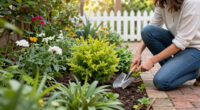
A new ground cover plant is emerging as a popular solution for shady gardens, promising a lush, attractive alternative to patchy grass. Experts say it requires minimal effort and maintenance, making it ideal for homeowners seeking easy landscaping options.
A new ground cover plant that thrives in shaded areas is attracting attention for its potential to transform gardens with minimal effort. This plant, which can replace patchy grass in shady spots, is gaining popularity among gardeners seeking low-maintenance landscaping options. Its ability to flourish under trees and in low-light conditions makes it a significant development for backyard and landscape design.
The plant, called Sweet Woodruff, is a perennial ground cover known for its lush, dense foliage and fragrant white flowers. It is native to Europe and has been used traditionally in herbal remedies, but recent promotion highlights its suitability for shaded gardens. Garden experts say it requires little watering once established and can tolerate poor soil conditions, making it ideal for difficult shady patches where grass struggles to grow.
According to horticulturists, Sweet Woodruff can spread quickly through runners, forming a dense mat that suppresses weeds and reduces the need for mowing or trimming. Its low-maintenance nature has led to increased interest among homeowners and landscapers who want an attractive, sustainable ground cover that requires less effort than traditional grass or turf alternatives.
Several gardening outlets and online nurseries now stock Sweet Woodruff, and promotional campaigns emphasize its aesthetic appeal and practicality. Gardeners report that it provides a soft, green carpet in shaded areas, with the added benefit of fragrant flowers that bloom in late spring and early summer. Its ability to thrive in low-light conditions makes it a promising option for gardens with dense tree canopies or shaded corners.
Why This Ground Cover Could Change Shady Garden Landscaping
This development matters because it offers a practical, attractive solution for gardeners frustrated with patchy or struggling grass in shaded areas. Traditional turf often requires significant maintenance, watering, and fertilization, especially in low-light conditions where grass growth is weak or uneven. Sweet Woodruff provides a low-effort alternative that can improve garden aesthetics and reduce maintenance costs.
For urban and suburban homeowners, especially those with mature trees or shaded yards, this ground cover could lead to more sustainable and visually appealing landscapes. Its ability to suppress weeds and reduce the need for mowing means less time and resources spent on lawn care. Additionally, its fragrant flowers can add sensory appeal, enhancing garden enjoyment.
Landscape professionals see this as an opportunity to diversify planting options and create more resilient, eco-friendly gardens. The plant’s adaptability to poor soil and shade makes it a versatile choice for a variety of garden styles, from cottage gardens to modern landscapes.
As an affiliate, we earn on qualifying purchases.
Background on Shady Garden Challenges and New Solutions
Growing grass in shaded areas has long been a challenge for gardeners, as turf requires sunlight and well-drained soil to thrive. In many yards, trees and buildings cast shadows that hinder grass growth, leading to patchy, unattractive patches that require frequent maintenance or replacement. Traditionally, gardeners have used ground covers like moss or clover, but these can have limitations in appearance or growth habits.
Recent years have seen increased interest in alternative landscaping solutions that require less upkeep and are more environmentally sustainable. Native plants, drought-tolerant species, and ornamental ground covers have gained popularity. Sweet Woodruff is among the latest options promoted for its suitability to shaded environments, backed by horticultural research and growing consumer demand for low-maintenance landscaping.
This trend reflects a broader shift toward sustainable gardening practices, emphasizing native or adaptable plants that require fewer resources and less intervention.
“Sweet Woodruff is an excellent choice for shaded gardens because it establishes quickly, requires minimal watering, and adds visual and aromatic appeal.”
— Jane Miller, horticulturist
Unanswered Questions About Long-Term Performance
While initial reports are positive, it remains unclear how well Sweet Woodruff performs over multiple seasons in varying climates. Long-term studies on its resilience, potential invasiveness, and compatibility with different garden ecosystems are still ongoing. Additionally, some experts caution that it may require control to prevent over-spreading in certain conditions, and its suitability for very hot or humid climates has not been fully established.
Next Steps in Adoption and Research
Gardeners and landscapers are encouraged to trial Sweet Woodruff in their shaded areas, with some nurseries offering starter plants and detailed care instructions. Researchers plan to conduct further studies to assess its long-term performance across different regions and garden types. Industry experts anticipate increased availability and possibly new varieties that enhance its aesthetic and growth characteristics. Monitoring its ecological impact, especially in non-native settings, will be an important part of ongoing research.
Key Questions
Is Sweet Woodruff safe for pets and children?
Yes, Sweet Woodruff is generally considered safe for pets and children when used as a ground cover. However, it contains compounds that can be toxic if ingested in large quantities, so it should be kept out of reach of curious children and pets.
How much maintenance does Sweet Woodruff require?
Once established, it requires minimal watering, little fertilization, and no mowing. Occasional trimming may be needed to control its spread, but overall, it is a low-maintenance option.
Can it replace grass entirely in a lawn?
While suitable for shaded patches, Sweet Woodruff is better suited as a ground cover rather than a full lawn replacement. Its growth habit and aesthetic are different from traditional turf, making it ideal for borders, shaded corners, or under trees.
Will Sweet Woodruff spread aggressively?
It can spread through runners and form dense mats, which is beneficial for weed suppression but may require management in small or confined gardens to prevent over-spreading.
What is the best way to plant Sweet Woodruff?
Plant in well-drained soil in shaded or partially shaded areas, spacing plants about 12 inches apart. Water regularly until established, then reduce watering to maintenance levels.
Source: rss
Evergreen bestsellers Picks
bestsellers
As an affiliate, we earn on qualifying purchases.