TL;DR

Get garden gear delivered free with Prime
- Fast, free delivery on millions of items
- Prime Video, Amazon Music and more included
- Member-only deals all year
Amateur Gardening has published advice from veterinary surgeon Dr. Fabian Rivers on six autumn garden hazards for dogs: conkers, acorns, fallen fruit, fungi, sticks and garden chemicals. The report advises preventing access to potential hazards and contacting a vet if a dog may have eaten something harmful; it does not provide case numbers or cost estimates.
Amateur Gardening has published autumn safety advice from veterinary surgeon Dr. Fabian Rivers, warning that conkers, acorns, decaying fruit, fungi, sticks and garden chemicals can put dogs at risk in gardens and on walks. The report recommends keeping dogs away from items they might swallow and contacting a vet when ingestion of a potentially harmful substance is suspected.
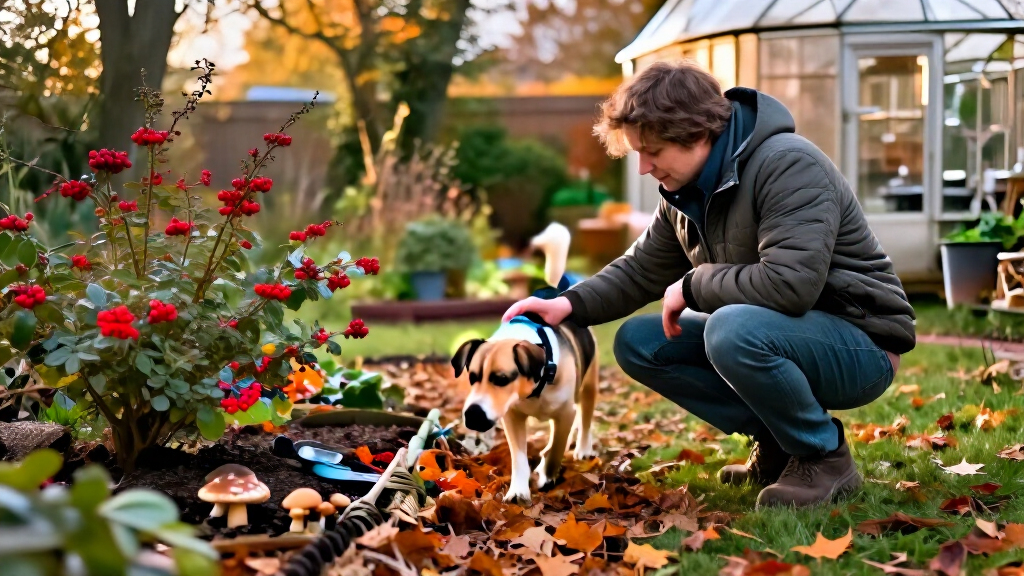
The six hazards highlighted in the report are horse chestnut conkers, acorns, fallen fruit, mushrooms and other fungi, sticks and twigs, and garden chemicals. Rivers said seasonal risks can be easy to miss because dogs may pick up seeds, food or debris while exploring. The advice applies to gardens as well as walks, where dogs can encounter fallen conkers and acorns.
According to Rivers, conkers may irritate a dog’s stomach, and swallowed pieces can cause a blockage. Acorns can also cause stomach upset and may present a choking risk, particularly for smaller dogs. The report lists vomiting, diarrhoea, drooling, lethargy and straining as possible warning signs after a dog eats a conker; it advises owners to seek veterinary support if ingestion occurs.
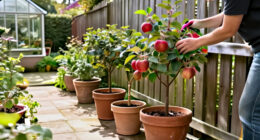
Rotting or mouldy apples, pears, plums and berries may ferment or develop mould, while decaying plant matter and compost can contain toxins, Rivers said. Reported possible effects include vomiting, diarrhoea, shakiness, dizziness and twitching. The report also warns that mushrooms can be difficult for owners to identify reliably, sticks may splinter or lodge in a dog’s mouth, and chemicals used for gardening can be toxic if ingested.
Autumn Debris Can Become a Vet Emergency
The practical concern is that several hazards can be present at once, including items that may look harmless or are easy to overlook. A dog that chews a fallen seed, samples mouldy fruit or reaches a chemical container could become ill or be injured. The report says swallowed conkers can cause a blockage and may require emergency care; it does not estimate treatment costs or state how often these problems occur.
For owners, prevention means checking where dogs roam and clearing fallen fruit, seeds and sharp debris. Keeping products in secure storage also reduces the chance that a pet can reach them. These steps do not replace veterinary advice: suspected ingestion warrants a call to a vet, particularly when the item is unknown or symptoms appear.
As an affiliate, we earn on qualifying purchases.
Why Autumn Gardens Need Checks
The report frames the advice around seasonal changes in the UK, when wet weather can bring fungi into gardens and trees shed conkers and acorns. Fruit harvests can also leave produce on the ground, where it may decay. These are ordinary features of autumn gardens, but Rivers warns they can create risks when dogs investigate or chew what they find.
Amateur Gardening attributes the guidance to Dr. Fabian Rivers, described as an award-winning veterinary surgeon. The supplied report offers practical precautions, rather than research findings or a veterinary surveillance report. It names six categories of hazard but does not provide data on poisoning rates, individual cases, or average vet bills.
Risks and Treatment Costs Unquantified
The report does not give case numbers, likelihood estimates, treatment costs or a date of publication. It also does not identify particular mushroom species, chemical products or doses that would cause harm. Effects can depend on what a dog ate and how much, so the warning signs listed are not a diagnosis.
Owners may not know whether a swallowed item is toxic or whether a symptom is related. The source advises contacting a vet when a dog may have eaten a mushroom or other potentially harmful item, but does not set out a treatment protocol or response times. Specific clinical advice must come from a veterinary professional.
Clear Debris and Call a Vet
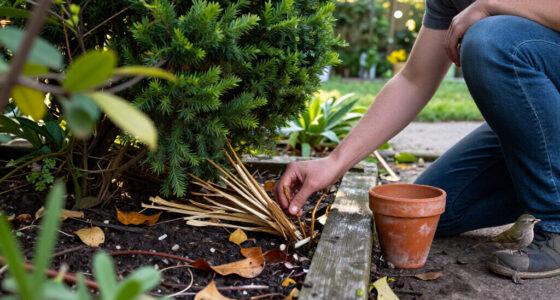
Owners can check gardens regularly for fallen conkers, acorns, fruit, mushrooms and branches, and remove debris before letting dogs explore. Rivers’ advice also includes keeping dogs from chewing sticks, watching them in high winds when branches may fall, and storing garden chemicals, slug pellets and fertilisers securely away from pets and children. Watering cans, buckets and other containers with chemical residue should also be kept out of reach.
If a dog is seen eating a potentially harmful item, or develops concerning signs after possible ingestion, contact a vet for advice. The report does not announce a follow-up investigation or new guidance; its recommendations are seasonal precautions for dog owners.
Key Questions
Which six autumn garden hazards does the report identify?
It lists conkers, acorns, fallen fruit, fungi, sticks and twigs, and garden chemicals.
What should I do if my dog eats a mushroom?
The report says owners should prevent dogs from eating mushrooms and contact a vet if ingestion is suspected, because it can be difficult to identify which fungi are toxic.
What signs might follow eating a conker?
Rivers lists vomiting, diarrhoea, excessive drooling, lethargy and straining as possible signs. The report says swallowed conkers can also cause a blockage; contact a vet if ingestion occurs.
How can I reduce autumn hazards in my garden?
Regularly clear fallen seeds, fruit and sharp debris; keep dogs from chewing sticks or mushrooms; and store chemicals and slug pellets securely, away from pets and children.
Source: rss
Halloween Picks
halloween
As an affiliate, we earn on qualifying purchases.