TL;DR

Get garden gear delivered free — and shop member deals
- Fast, free delivery on millions of items
- Access to Prime Big Deal Days deals on October 6–7
- Prime Video, Amazon Music and more included
Gardening Know How recommends safflower, nyjer and white proso millet as seeds squirrels are generally less likely to take than sunflower. The report says none is squirrel-proof: feeder placement, design and spilled seed also affect raids, and hungry squirrels may eat any of the three.
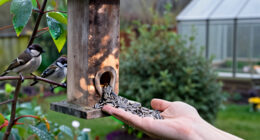
Gardening Know How has outlined three bird seeds—safflower, nyjer and white proso millet—that squirrels may be less likely to take than sunflower, while stressing that none is a guaranteed deterrent. The advice matters to people trying to feed songbirds without losing as much seed to squirrels, but the report says feeder location, construction and spilled food also affect how often squirrels visit.
The report says safflower is often passed over by squirrels and is eaten by cardinals, grosbeaks, chickadees, titmice, nuthatches and mourning doves. It also notes exceptions: some squirrels in some areas have developed a taste for safflower, and many birds still prefer sunflower. The publication suggests adding safflower to a feeder gradually rather than switching all at once, since bird visits may initially drop.
Nyjer, a small black seed from an African plant, is presented as an option for finches. American and lesser goldfinches, house finches, pine siskins and redpolls are among the birds the report says may feed on it. It recommends serving nyjer on its own in a feeder with very small ports or fine mesh to limit waste. The article clarifies that, despite a sometimes-used “thistle” label, nyjer is not from North American thistles.
White proso millet is more likely to attract ground-feeding birds such as juncos and native sparrows, as well as towhees and mourning doves. The source says squirrels may eat millet, but often choose corn or peanuts first when those foods are available. It advises offering small amounts on the ground or in a low, draining tray, and removing or reducing seed that remains uneaten at dusk.
Seed Choice Is Only One Defense
For households filling feeders, the practical point is that changing seed can influence what is available without guaranteeing that squirrels stay away. Less-preferred seed may reduce losses, but the report describes squirrel access as a combination of food preference and physical access. A feeder close to a tree, roof, fence or deck may remain reachable regardless of its contents.
The recommendations also involve trade-offs for birdwatchers. Each seed draws different species, and a shift away from sunflower may change which birds visit. Safflower can appeal to cardinals, nyjer to finches, and millet to ground-feeding birds; matching seed to the birds people hope to attract may matter as much as deterring squirrels. The source does not provide controlled comparisons or quantified results for how much seed these choices save.
As an affiliate, we earn on qualifying purchases.
Why Feeders Attract Squirrels
The report explains that eastern gray squirrels eat many foods also favored by birds. It names sunflower, corn and peanuts as appealing options and says inexpensive seed blends may contain substantial amounts of sunflower and corn. That overlap helps explain why a feeder can attract both birds and squirrels; seed choice alone cannot remove the incentive.
Physical access is another part of the source’s advice. It says squirrels can leap about 10 feet (3 metres) horizontally from a launch point and jump roughly 5 feet (1.5 metres) vertically from the ground. To make access harder, the report recommends placing a pole-mounted feeder about 10 feet from trees and other launch points and around 5 feet above the ground. It also describes pole baffles below feeders and dome baffles above hanging feeders, alongside weight-activated or caged feeder designs.
The article frames the guidance as especially timely in fall, when squirrels gather and store food. It further recommends catching spilled seed with a tray and keeping spare seed in a sealed container. These are practical suggestions from the publication, not proof that any single setup will prevent visits.
““There are some types of bird seed that squirrels don’t enjoy – but they still bring in plenty of songbirds.””
— Gardening Know How
How Much Seed Will Be Saved
The source does not report a test comparing squirrel visits or seed loss across safflower, nyjer and millet, and it gives no measured estimate of how much a household might save. Its descriptions of squirrel preferences are general guidance, with an explicit warning that individual squirrels may eat the suggested seeds.
Local bird populations and feeding conditions may also affect results. The report names bird species associated with each seed but does not establish that those birds will appear at every feeder. It also does not give a specific publication date, and its supplied text ends as it begins a section on ingredients not to add to bird seed; no additional advice from that unfinished passage can be confirmed here.
Try a Gradual Feeder Change
The report’s practical next step is to choose a seed based on the birds a feeder owner wants to attract, then offer it in a suitable feeder. For safflower, it suggests a hopper, tube or platform feeder; for nyjer, small ports or fine mesh; and for millet, a low tray or ground-feeding area. Adding safflower gradually may help avoid an abrupt drop in visits from birds accustomed to sunflower.
Owners can also review feeder placement, add an appropriate baffle, catch spills and store spare seed securely. The source advises using modest portions of millet and watching whether seed remains at dusk. The report does not set a follow-up date or promise a particular outcome; results will depend on local squirrels, birds and feeder arrangements.
Key Questions
Which seeds does the report say squirrels may be less likely to eat?
Safflower, nyjer and white proso millet are the three options identified by Gardening Know How. The report cautions that squirrels may still eat them.
Will these seeds keep squirrels out of a feeder?
No. The source says a hungry squirrel may try almost any seed. Feeder placement, baffles and design can also affect access, but the article does not guarantee that these measures will stop raids.
Which birds are attracted to nyjer?
The report lists American and lesser goldfinches, house finches, pine siskins and redpolls among birds that eat nyjer. It recommends a feeder with very small ports or fine mesh.
How should millet be offered?
Gardening Know How recommends offering white proso millet in a low, well-draining tray or on the ground, in small amounts. Seed left at dusk may be available for squirrels to eat.
Source: rss
Halloween Picks
halloween
As an affiliate, we earn on qualifying purchases.