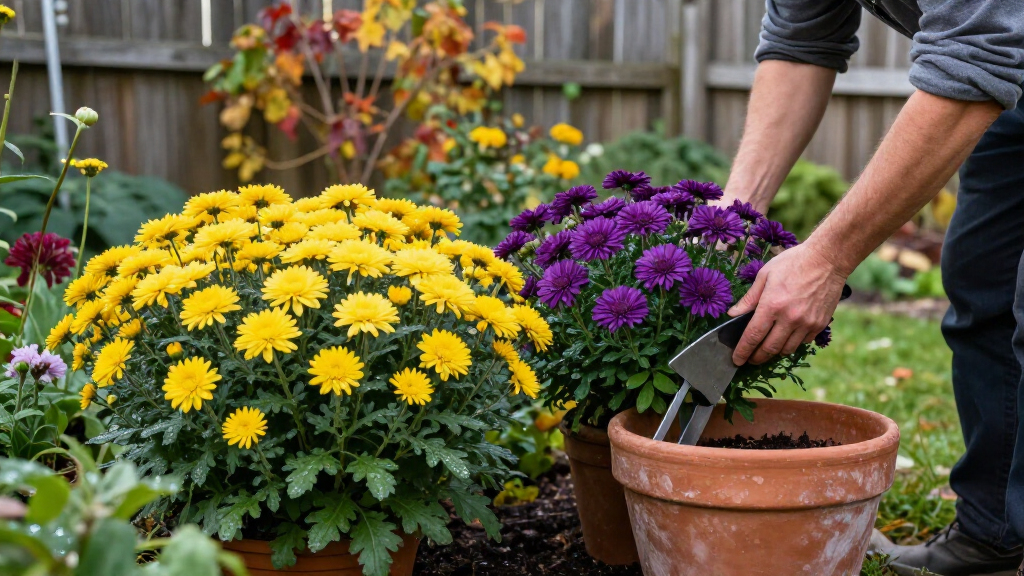

The best fall-blooming garden flowers in this roundup are seeds suited to different autumn goals: I’d choose the Fall Blooming Wildflower Seed Mix as the most versatile starting point, while the Pansy Seeds Mix stands out for containers and borders, and New England aster seeds suit pollinator-friendly perennial plantings. The main tradeoff is between quick seasonal color from annuals and longer-term planting from perennials, with bloom timing also shaped by climate and sowing date. Seed counts and flower names alone do not guarantee a full display, so check the plant’s growth habit and local growing conditions before buying. Read on for how I separate these options by garden use, tradeoffs, and buyer fit.

Get garden gear delivered free with Prime
- Fast, free delivery on millions of items
- Prime Video, Amazon Music and more included
- Member-only deals all year
Complete the kit


Key Takeaways
- The lineup covers different jobs: pansies are positioned for containers and borders, while asters, mums, and the wildflower mix point toward beds and broader plantings.
- New England asters appear in three listings: compare the 500-plus purple seed pack, the 600-seed listing, and the one-pack option by stated quantity and intended use rather than assuming the varieties are identical.
- Large seed counts are not a reliable ranking shortcut: sowing space, germination conditions, and whether a flower is an annual or perennial affect the garden result more than the number printed in a listing.
- Several product names use overlapping labels: Callistephus chinensis listings are distinct from New England aster offerings, so verify the botanical name when perennial habit matters.
- The best choice depends on the planting plan: select pansies for seasonal containers, aster seeds for a perennial or pollinator-focused bed, and a mixed wildflower option when broader coverage is the priority.


| fall-blooming garden flower | Sunlight | Plant Type | Soil Type |
|---|---|---|---|
| Pansy Seeds Mix for Planting | Full sun to partial shade | Annual | — |
| 1000+ Mix Aster Flower Seeds f | Full Sun | Perennial | Sandy |
| New England Aster Seeds | — | Perennial | — |
| 600 New England Aster Heirloom | — | Perennial Flower | — |
| Cool Season Flower Seeds for P | Full Sun | — | — |
| 1000 Callistephus Chinensis As | Full sun | — | — |
| Fall Blooming Wildflower Seed | Full sun | — | All types |
| CarpetC 1000+ Chrysanthemum Se | Full sun | — | Loam or sandy soil |
| 502+ Perennial Mixed Chrysanth | Full sun | Perennial chrysanthemum | Sandy soil |
| New England Aster Seeds for Pl | Full sun listed; description also says partial shade | Perennial New England aster | Loam |
| 1000+ Callistephus Flower Chry | Full sun | — | Loam |
More Details on Our Top Picks
Pansy Seeds Mix for Planting, Cold Hardy Annual for Fall Planting, Containers & Garden Borders
This Pansy Seeds Mix stands out for its ability to deliver large, smiling blooms when most garden beds are fading. Unlike the New England Aster Seeds which require a year or two to establish, these annuals provide immediate gratification in containers and borders. The cold-hardy nature allows them to survive light frosts, extending the visual season well into late autumn. However, they are short-lived compared to perennials, meaning you will need to replant each season. Their moderate water needs make them less forgiving than drought-tolerant options if you forget to water during dry spells. This pick is ideal for those who want immediate visual impact without waiting for perennial roots to establish.Pros:- Produces large, distinctive blooms quickly
- Tolerates light frost and cold temperatures
- Ideal for containers and small spaces
Cons:- Annual lifecycle requires yearly replanting
- Sensitive to heat in warmer zones
- Needs consistent moisture to thrive
Best for: Gardeners who want immediate, high-impact color in pots and window boxes during cool weather.
Not ideal for: Those seeking low-maintenance, long-term perennial investments; these plants die after one season.
- Plant Type:Annual
- USDA Hardiness Zone:Zone 3
- Blooming Period:Spring and Fall
- Seed Count:199 seeds
- Sunlight:Full sun to partial shade
- Water Needs:Moderate
Our verdict“Choose this mix for reliable, cheerful color in autumn containers without the long wait of perennials.”
1000+ Mix Aster Flower Seeds for Perennial Garden, Cold Hardy & Pollinator Friendly, Non-GMO Heirloom Seeds
With over 1000 seeds, this Mix Aster Flower Seeds packet offers the best quantity per dollar in this roundup, far exceeding the smaller counts of the Pansy Seeds Mix. These perennial asters bloom from late summer through fall, providing a critical food source for pollinators when other nectar sources vanish. While the New England Aster varieties offer a specific purple hue, this mix provides a vibrant spectrum of pinks, purples, and whites. The tradeoff is that these plants require full sun and regular watering to reach their potential, and they can spread aggressively if not managed. This option is best for those covering large ground areas who prioritize ecological function alongside aesthetic variety.Pros:- High seed count offers excellent value
- Multi-color blooms extend visual interest
- Strong support for local bee and butterfly populations
Cons:- Can become invasive if not contained
- Requires full sun exposure
- Limited specific care instructions included
Best for: Gardeners planting large areas who want diverse colors and high seed volume for pollinator support.
Not ideal for: Small garden owners who may struggle to manage the aggressive spreading nature of mixed perennials.
- Plant Type:Perennial
- Bloom Season:Late summer to fall
- Hardiness Zone:3-8
- Seed Quantity:1000+ seeds
- Sunlight:Full Sun
- Soil Type:Sandy
Our verdict“This bulk mix is the pragmatic choice for filling large beds with pollinator-friendly color.”
New England Aster Seeds – 500+ Purple Perennial Wildflower Seeds for Garden, Cut Flowers, and Pollinators
These New England Aster Seeds are distinct for their impressive height, reaching up to 48 inches, which makes them superior for cutting compared to the shorter Cool Season Flower Seeds collection. The vibrant purple blooms are a magnet for hummingbirds, a niche feature that sets them apart from standard bee-attracting varieties. However, germination is trickier; these seeds often require cold stratification, meaning you may need to sow them in fall or simulate winter conditions for success. They also take one to two years to reach full flowering size, unlike the annual pansies that bloom quickly. This pick is for patient gardeners willing to wait for architectural height and wildlife appeal.Pros:- Tall 48-inch stems ideal for cutting
- Attracts hummingbirds and butterflies
- High germination rate when stratified correctly
Cons:- Requires cold stratification for germination
- Slow to establish, taking 1-2 years
- May need staking due to height
Best for: Cut flower enthusiasts and wildlife gardeners who need tall, sturdy stems for arrangements.
Not ideal for: Beginners who want immediate blooms; these plants take years to establish and require stratification.
- Plant Type:Perennial
- Height:Up to 48 inches
- Blooming Period:Late summer to fall
- Seed Quantity:500+ seeds
- Hardiness Zone:3-9
- Germination Rate:High
Our verdict“Select these seeds if you prioritize tall, dramatic purple spikes for vases and hummingbird visits.”
600 New England Aster Heirloom Flower Seeds, Aster Novae-Angliae
This 600 New England Aster packet differentiates itself with a detailed growing guide, reducing the guesswork often associated with wildflower seeds. Compared to the Mix Aster Flower Seeds, this specific variety ensures a uniform purple display rather than a chaotic color mix. It is hardy in zones 2-8, offering slightly more cold tolerance than some competitors. The tradeoff is the spacing requirement of 18-24 inches, which means you need significant horizontal room for healthy growth. While the guide helps with germination, the plants still require full sun and regular watering to prevent mildew. This is a solid entry point for those new to growing perennials from seed who value structured instructions.Pros:- Includes detailed planting and care guide
- Uniform purple blooms for cohesive design
- High cold tolerance down to Zone 2
Cons:- Requires significant spacing (18-24 inches)
- Needs regular watering to thrive
- May need reseeding for dense coverage
Best for: Novice gardeners who want a reliable, single-color perennial with step-by-step planting instructions.
Not ideal for: Gardeners with limited space; the wide 18-24 inch spacing requirement consumes significant bed area.
- Plant Type:Perennial Flower
- Hardiness Zone:2-8
- Blooming Period:Fall to Winter
- Seed Quantity:600 seeds
- Height:48 inches
- Origin:Made in USA
Our verdict“This kit is the most user-friendly option for first-time perennial growers seeking uniform purple color.”
Cool Season Flower Seeds for Planting – Survival Garden Seeds
This Cool Season Flower Seeds collection offers ten distinct varieties, including pansy, snapdragon, and sweet pea, providing far more textural and color variety than the single-species New England Aster options. It is designed for spring and fall planting, allowing for a layered garden look with plants reaching up to 18 inches. The heirloom, non-GMO status appeals to organic gardeners, but the variety means inconsistent bloom times and care needs across the packet. Unlike the Pansy Seeds Mix which focuses on one strong performer, this kit is a generalist solution. Some taller varieties may need staking, adding to the maintenance workload. This is the best choice for those who enjoy experimental gardening and want a diverse palette without buying ten separate packets.Pros:- Includes 10 different flower varieties
- Heirloom and untreated seeds
- Suitable for both spring and fall planting
Cons:- Variable care needs across varieties
- Taller plants may require staking
- Less uniform appearance than single-species packs
Best for: Gardeners who want a diverse mix of textures and colors in a single purchase for mixed borders.
Not ideal for: Those seeking low-maintenance simplicity; different flowers within the pack have varying care requirements.
- Varieties:10 types (Pansy, Snapdragon, etc.)
- Planting Season:Spring to Fall
- Hardiness Zone:3-9
- Expected Height:18 inches
- Sunlight:Full Sun
- Seed Type:Heirloom, Non-GMO
Our verdict“Pick this bundle for maximum variety and organic credibility in your cool-season garden experiments.”
1000 Callistephus Chinensis Aster Flower Seeds, Mixed Double Perennial, Non-GMO, Attracts Pollinators, for Home Garden Outdoor
For gardeners who want a generous supply of mixed, double blooms, this Callistephus seed pack is the standout here. Its pompon-style flowers are described as blooming from summer into fall, giving beds and bouquets a longer season of color than the fall-focused CarpetC chrysanthemum seeds. Strong stems and long-lasting cut flowers also make it a more practical choice for repeated arranging. The tradeoff is hands-on care: these seeds need regular watering, and the listed 20-inch height may vary with growing conditions. Unlike the taller New England Aster, which can reach 6 feet and suit the back of a border, this option is easier to place in shorter beds. Choose it for volume and bouquet color, not for a low-water planting or a guaranteed perennial display.
Pros:- 1000 seeds offer ample quantity for broad planting
- Mixed double pompon blooms add varied color
- Stated bloom period runs from summer to fall
- Strong stems and long-lasting flowers suit cutting
Cons:- Regular watering is required
- Listed seasonal bloom does not establish year-to-year perennial performance
- Height may vary with growing conditions
Best for: Gardeners who want to sow a large patch of mixed-color flowers and cut stems for indoor arrangements.
Not ideal for: Gardeners seeking drought-tolerant plants, minimal watering, or a clearly specified perennial life cycle.
- Seed count:1000
- Bloom period:Summer to fall
- Sunlight:Full sun
- Expected height:20 inches
- Moisture needs:Regular watering
- Flower form:Fully double pompon-style blooms
- Material feature:GMO free
Our verdict“Pick this for abundant, bouquet-friendly color at a more manageable height than New England Aster, provided you can water regularly.”
Fall Blooming Wildflower Seed Mix
This mix suits gardeners who would rather scatter seed over bare soil than plan a bed around one flower. It is listed for direct sowing from fall to spring, grows up to 3 feet, and is described as attracting pollinators. That broader, more informal approach contrasts with the New England Aster seeds, which specify a single native species, flower colors, and an August-to-October bloom window. Here, the mix’s main tradeoff is uncertainty: the listing does not identify the flower varieties, and its stated blooming period is spring even though the product is presented as fall-blooming. Moderate watering and full sun provide some practical guidance, but buyers cannot readily predict the exact mix or timing. Choose it for a loose wildflower effect, not a carefully timed autumn display.
Pros:- Can be sown directly on bare soil
- Listed sowing window spans fall to spring
- Mixed flowers are described as attracting pollinators
- Height of up to 3 feet can fill open planting areas
Cons:- Specific flower varieties are not identified
- Listed bloom period is spring, which conflicts with the fall-blooming positioning
- Full sun and moderate watering may not suit every site
Best for: Gardeners with open outdoor ground who want a direct-sown, pollinator-friendly mix and are comfortable with an informal result.
Not ideal for: Gardeners who need named varieties, reliable fall-only bloom timing, or a defined color and height plan.
- Seed quantity:3400
- Bloom period:Spring, according to listed specifications
- Sowing window:Fall to spring
- Sunlight:Full sun
- Expected height:Up to 3 feet
- Soil type:All types
- Moisture needs:Moderate watering
- USDA hardiness zone:Zone 3 listed
Our verdict“Choose this mix for a loosely planned, direct-sown wildflower patch, but skip it if dependable autumn timing matters.”
CarpetC 1000+ Chrysanthemum Seeds for Planting, Hardy Perennial Mum, Fall-Blooming Wildflower
With a stated height range of 12–36 inches and suitability for beds and containers, this is the most flexible fit for gardeners working with limited space. The product is specifically framed around late-summer-to-fall flowers, while the Fall Blooming Wildflower Seed Mix gives less certainty about which flowers will grow or when they will bloom. Its 5–9 hardiness range also offers a clear climate guide, though it is narrower than the zone 4–9 range listed for the other mixed chrysanthemum seeds. Starting from seed takes patience: germination is listed at 10–21 days, and pinching or deadheading may be needed to extend flowering. Full sun and well-drained soil are part of the deal. Pick this over the taller New England Aster when compact placement matters more than a native, dramatic backdrop.
Pros:- Suitable for both garden beds and containers
- Listed fall bloom window covers late summer through fall
- Height range allows selection for different planting spaces
- Hardiness zones 5–9 are specified
Cons:- Germination is listed as taking 10–21 days
- Full sun and well-drained soil are required for the described performance
- Pinching and deadheading may be needed to extend bloom
Best for: Container gardeners and owners of small beds in zones 5–9 who want fall-blooming mums and can provide full sun.
Not ideal for: Gardeners in zones outside 5–9, those with shaded or poorly drained sites, or anyone wanting quick blooms without seed-starting care.
- Seed quantity:1000+
- Bloom period:Late summer through fall
- Planting zones:5–9
- Plant height:12–36 inches
- Sunlight:Full sun
- Soil type:Loam or sandy soil
- Water needs:Moderate
- Germination time:10–21 days
Our verdict“Choose these mums for a specified fall-blooming option that can fit containers, if your garden falls within zones 5–9.”
502+ Perennial Mixed Chrysanthemum Seeds for Planting – Cold Hardy, Deer Resistant, Assorted Colors
The broader listed range of zones 4–9 makes this mixed chrysanthemum pack a better fit for colder gardens than the CarpetC seeds, which are specified for zones 5–9. It is also described as deer resistant, a useful trait for exposed borders where browsing can spoil a fall display. Flowers are listed for late summer to fall, with mixed colors and forms for borders, bouquets, or landscape planting. The tradeoff is less planting guidance: the product specifies sandy soil and regular watering but provides limited detail on cultivation, while CarpetC gives a height range, soil guidance, and germination timing. The listed quantity is 502+ seeds, considerably fewer than CarpetC’s 1000+, so it prioritizes its stated cold hardiness over seed volume. Choose it when zone range and deer resistance matter most.
Pros:- Listed hardiness range includes zones 4–9
- Described as deer resistant
- Mixed colors and flower forms suit borders and bouquets
- Bloom period is listed from late summer to fall
Cons:- 502+ seeds provide fewer than the CarpetC pack’s 1000+
- Limited detailed care and seed-starting instructions
- Regular watering is listed as a need
Best for: Gardeners in zones 4–9 who want mixed fall mums for borders or cutting and need a deer-resistant option.
Not ideal for: Gardeners seeking extensive sowing quantities, detailed seed-starting instructions, or a low-water planting.
- Seed count:502+
- Plant type:Perennial chrysanthemum
- Hardiness zones:4–9
- Bloom period:Late summer to fall
- Sunlight:Full sun
- Soil type:Sandy soil
- Moisture needs:Regular watering
- Use:Outdoor planting, borders, and bouquets
Our verdict“Choose this over CarpetC if you garden in zone 4 or value stated deer resistance more than a larger seed count.”
New England Aster Seeds for Planting, 1 Pack
For a fall garden built around a North American native, this New England Aster is the clearest choice in the group. Its pink-to-purple blooms are listed from August to October, and the flowers attract bees, butterflies, and hummingbirds. That timing is more specific than the mixed wildflower seed pack’s listed spring bloom period, while the six-foot height gives this a very different role from the 12–36-inch CarpetC chrysanthemums: it can anchor a tall border rather than fill a compact container. The drawbacks are real: seeds need 4–6 weeks of cold stratification, light to germinate, and thinning to 12–24 inches. The listing also says full sun to partial shade in its description but specifies full sun in the specs. Choose it for native habitat value and stature, not for a quick or space-saving planting.
Pros:- Native North American perennial described as attracting bees, butterflies, and hummingbirds
- Pink and purple flowers have a specified August-to-October bloom window
- Hardiness zones 3–8 are listed
- Drought tolerant and deer resistant according to the product description
Cons:- Cold stratification for 4–6 weeks is recommended for germination
- Plants can reach 6 feet and need room
- Seeds need light to germinate and seedlings require thinning
Best for: Gardeners in zones 3–8 who want a tall native fall flower for pollinators and can prepare seeds with cold stratification.
Not ideal for: Small-space gardeners, anyone avoiding seed-preparation steps, or those who need a short plant for containers or front borders.
- Plant type:Perennial New England aster
- Bloom period:Summer to fall; described as August to October
- Flower colors:Pink and purple
- USDA hardiness zones:3–8
- Expected height:Up to 6 feet
- Sunlight:Full sun listed; description also says partial shade
- Soil type:Loam
- Seed preparation:Cold stratify for 4–6 weeks; seeds need light to germinate
Our verdict“Choose this native aster for a tall, pollinator-friendly fall backdrop if you can handle its cold-stratification steps and give it space.”
1000+ Callistephus Flower Chrysanthemum Seeds – Mixed Color, Non-GMO, Heirloom, Perennial for Home Garden and Bonsai Decoration
For gardeners who want a long run of colorful blooms rather than one concentrated flush, this mix stands out for its 1,000-plus seeds and suitability for succession planting. The pompon-style flowers are described as blooming from summer into fall, giving it a longer stated season than a fall-focused pick such as New England Aster Seeds – 500+ Purple Perennial Wildflower Seeds. Its mixed colors also offer more variety than that single-color option, while the aster may better suit gardeners seeking a purple perennial wildflower. Plan for full sun and moderate watering; the quantity is useful for repeated sowings, but it can be excessive for a small bed or container. The listing calls these seeds perennial, though the botanical name is Callistephus, so buyers should verify the plant’s growth habit for their climate rather than assume it will return each year.
Pros:- More than 1,000 seeds support repeated sowings and broader planting areas.
- Mixed-color, pompon-style flowers add variety to garden displays.
- Stated summer-to-fall bloom period can extend color beyond a fall-only planting.
- Listed for USDA zones 2–11, offering broad stated zone coverage.
Cons:- Requires full sun and moderate watering, which may not suit low-maintenance or shaded gardens.
- The perennial claim is not clearly supported by the supplied product details, so return growth may be uncertain.
- The listing notes that extreme conditions may require protection.
Best for: Gardeners with sunny beds who want to sow several batches for a spread of mixed-color summer-to-fall blooms.
Not ideal for: Small-space growers or anyone seeking a clearly documented, reliably returning perennial; the large seed count and uncertain perennial claim may not fit those needs.
- Seed count:1,000+
- Flower color:Mixed colors
- Expected bloom period:Summer to fall
- Sunlight:Full sun
- USDA hardiness zones:2–11
- Expected plant height:30 inches
- Soil type:Loam
- Water needs:Moderate watering
- Seed features:GMO-free, heirloom
Our verdict“Choose this mix if you have a sunny planting area and want abundant mixed-color flowers over an extended season, but verify perennial suitability before relying on it to return.”
How We Picked
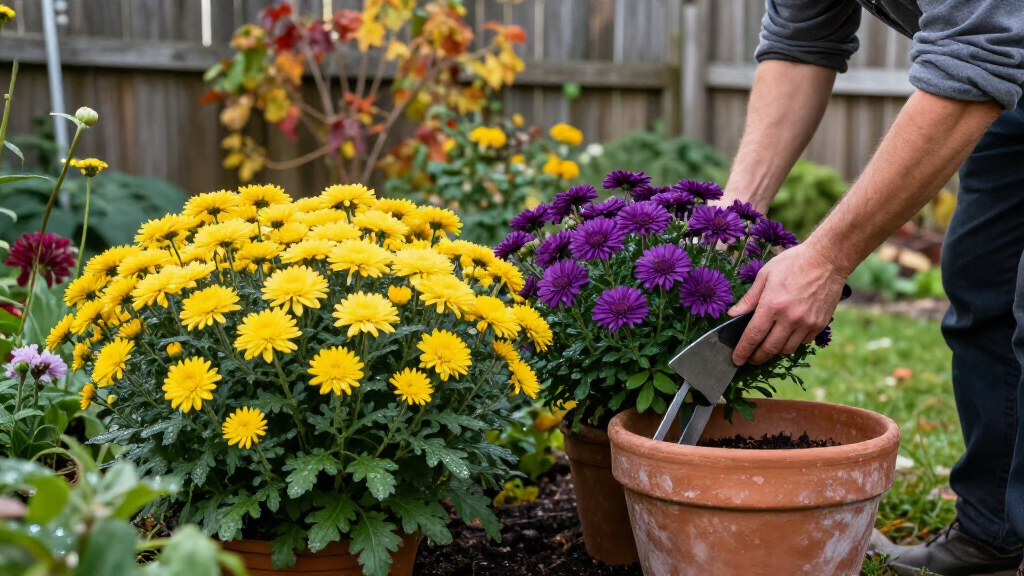
I ranked these 11 seed listings by how clearly their stated flower type and intended use match the goal of autumn garden color. I gave weight to the details a buyer can compare from the product names: annual or perennial claims, cold-hardiness language, color range, seed quantity, and stated uses such as containers, borders, cut flowers, or pollinator planting. I also treated botanical naming as a meaningful distinction, since similar common names can describe different plants and growing habits.
The ranking favors options with a clear use case and useful planting information, not simply the highest advertised seed count. A product with a defined role can be a better match than a larger, less specific packet, while repeated New England aster listings are separated by their stated quantities and descriptions. Since the supplied listings do not establish details such as germination rates, regional bloom dates, or seed viability, I do not treat those as verified advantages; buyers should check the full listing and local planting guidance.
| fall-blooming garden flower | Plant Type | Sunlight | Soil Type |
|---|---|---|---|
| Pansy Seeds Mix for Planting | Annual | Full sun to partial shade | — |
| 1000+ Mix Aster Flower Seeds f | Perennial | Full Sun | Sandy |
| New England Aster Seeds | Perennial | — | — |
| 600 New England Aster Heirloom | Perennial Flower | — | — |
| Cool Season Flower Seeds for P | — | Full Sun | — |
| 1000 Callistephus Chinensis As | — | Full sun | — |
| Fall Blooming Wildflower Seed | — | Full sun | All types |
| CarpetC 1000+ Chrysanthemum Se | — | Full sun | Loam or sandy soil |
| 502+ Perennial Mixed Chrysanth | Perennial chrysanthemum | Full sun | Sandy soil |
| New England Aster Seeds for Pl | Perennial New England aster | Full sun listed; description also says partial shade | Loam |
| 1000+ Callistephus Flower Chry | — | Full sun | Loam |
Factors to Consider When Choosing Best Fall-blooming Garden Flowers
Before choosing, decide what you want the garden to do in autumn: fill a pot, keep a border colorful, feed pollinators, or create a recurring perennial display. These broader choices can matter more than selecting a flower based on a large seed count or a familiar name.
Match Annual and Perennial Plans to Your Timeline
Annuals and perennials solve different planning problems. Annual flowers can suit a seasonal display when you want color within one growing cycle, while perennials are a better fit if you want a planting that may return under suitable conditions. Do not rely on the word “perennial” alone: check the botanical name, local hardiness guidance, and whether the listing describes the same plant you intend to grow. Some seed listings use broad or overlapping labels, which can make an annual and perennial sound interchangeable. If you need reliable color for a specific event or date, seed-grown flowers may not be as predictable as established plants. Choose based on how long you want the planting to last, not just when the flower is said to bloom.
Plan Backward From Your Local Fall Weather
“Fall-blooming” describes a general season, not a guaranteed calendar date across every climate. Sowing time, daylight, summer heat, and the length of your frost-free period can all affect when flowers develop. Check the packet or seller’s growing instructions against local extension or garden guidance before sowing. A common mistake is planting too late because the flower name promises autumn color, leaving seedlings too little time to establish. In colder areas, cold-hardiness claims can help narrow the options, but they do not replace checking local conditions. If timing is uncertain, stagger sowing where the instructions allow it rather than putting every seed in at once.
Choose for the Space, Not Just the Flower
A compact container, a narrow border, and a large informal bed call for different planting habits. Pansies are explicitly described for containers and borders in this lineup, while wildflower and pollinator-oriented mixes suggest a broader planting style. Before ordering, look for mature height, spread, light needs, and spacing; those details determine whether flowers will fit without crowding. A large seed packet can be awkward for a small patio if the plants need more room than the container can provide. Likewise, a mixed seed blend may create a less uniform look than a single flower type. Sketch the available area and decide whether you want tidy blocks, repeated color, or a naturalized effect.
Verify Botanical Names and Bloom Habit
Common names can blur important differences, especially among flowers called asters or mums. In this roundup, New England aster seeds are listed separately from Callistephus chinensis products, despite overlapping naming in some listings. Check the botanical name and the seller’s description if perennial return, plant height, or flower form is central to your choice. Do not assume that “mixed,” “heirloom,” or “cold hardy” tells you how a plant will perform in your particular garden. Compare those claims with growing directions and reputable regional references. This extra check can prevent buying a flower that looks right in a search result but does not suit the planting plan.
Treat Seed Count as a Planning Detail, Not a Quality Score
Seed counts in the lineup range from a single pack description to listings advertising hundreds or more than a thousand seeds. More seeds can help cover a larger area or allow room for sowing losses, but they do not by themselves indicate stronger germination or better blooms. Estimate the area you plan to sow, then use the recommended spacing and seeding rate to judge whether a packet is an appropriate size. Excess seed may be wasted if it is not stored properly or used within the seller’s suggested period. Buyers with a small garden may prefer a modest quantity, while larger beds may benefit from a high-count listing. Look for clear instructions and storage information before treating quantity as value.
Balance Pollinator Goals With the Look You Want
Pollinator-friendly wording may appeal to gardeners who want flowers to support visiting insects, but it should not be the only selection criterion. A single-species planting can make a coordinated display, while a mixed wildflower option may produce a less formal, varied effect. Flowering periods, local suitability, and access to nectar across the season all influence how useful a planting is for pollinators. Check which species are included in a mix rather than assuming the word “wildflower” means every seed is native to your area. If supporting local wildlife is a priority, regional native-plant resources can help verify suitability. Choose a layout that fits both your garden style and the needs of the plants you plan to grow.
Frequently Asked Questions
Which option is the safer choice for a small container garden?
The Pansy Seeds Mix is the clearest match in this lineup because its listing specifically names containers and garden borders. Still, check the packet or full listing for mature size, light needs, and sowing instructions before planting, since container volume affects how well seedlings establish. A high-count aster or mum listing may be harder to use neatly in a small pot if you do not have space to grow extra seedlings elsewhere. For a compact display, sow only the amount suited to the container and save remaining seeds according to the seller’s directions. If you want a precise, immediate display, compare seed-grown options with established plants available locally.
Are the New England aster listings interchangeable?
Not necessarily. The roundup includes a 500-plus purple seed listing, a 600-seed listing, and a one-pack listing, and those descriptions do not establish that the packets contain identical varieties or growing instructions. Compare botanical names, stated seed quantity, color, and sowing directions before choosing. If perennial habit or a particular purple flower is important, confirm those details in the complete product information rather than relying on the shared common name. The larger stated count may suit a bigger bed, but it does not prove better germination or plant quality. Buy the listing whose verified details fit your garden area and goals.
How can I tell whether a product labeled “aster” is a perennial?
Start with the botanical name and the seller’s explicit growth-habit description rather than the word “aster” by itself. This roundup includes New England aster listings as well as Callistephus chinensis products, so similar naming does not mean the plants have the same life cycle. Check whether the complete listing identifies the plant as an annual or perennial and compare that claim with a trusted horticultural reference. Local winter conditions also affect whether a perennial survives from year to year. If recurring blooms are essential, avoid buying until the botanical identity and regional suitability are clear.
Should I choose a mixed wildflower seed blend or a single flower type?
A mix can make sense when you want varied flowers across a broader bed and are comfortable with a less uniform result. A single flower type, such as an aster listing, gives you more control over the main look and can simplify spacing and color planning. Check the species list for any blend, since “wildflower” does not automatically mean native or suited to your region. Mixed seeds may also have different sowing depths or growth speeds, which can affect which plants dominate. Pick the blend for variety and a single type for a more coordinated planting, then follow the listed sowing directions closely.
When should I sow fall-blooming flower seeds?
The right time depends on the flower, your climate, and whether the instructions call for spring sowing, fall sowing, or another schedule. Use the specific seed directions and compare them with local frost dates and growing-season guidance; a general “fall-blooming” label is not a planting calendar. Sowing too late can leave plants without enough time to establish before cold weather, while sowing too early may not suit every seed type. For a first attempt, follow the packet’s timing and avoid planting all seeds in a single experimental batch if staggered sowing is permitted. Regional garden services can help resolve timing questions that broad product descriptions do not answer.
Conclusion
For the broadest starting point, I’d choose the Fall Blooming Wildflower Seed Mix as best overall, provided its species list suits your region and planting style. The Pansy Seeds Mix is my best fit for beginners with containers or borders because its intended use is clear, while the larger-count listings may appeal to gardeners covering more ground—but quantity alone does not establish value. For a perennial- and pollinator-focused bed, I’d favor a clearly identified New England aster listing after checking the botanical details and local hardiness. I can’t confidently name a best premium option from the supplied descriptions, since they do not establish a premium seed quality or service difference; compare verified variety and planting information instead. Choose Callistephus chinensis or chrysanthemum-labeled seeds only after confirming the plant identity and growth habit, especially if you need dependable perennial return.
Halloween Picks
halloween
As an affiliate, we earn on qualifying purchases.