
TL;DR

Get garden gear delivered free with Prime
- Fast, free delivery on millions of items
- Prime Video, Amazon Music and more included
- Member-only deals all year
Groundhogs are damaging gardens, but several confirmed methods can help deter them. Experts recommend physical barriers, repellents, and habitat changes to protect plants effectively.
Groundhogs are increasingly damaging gardens across regions, prompting gardeners to adopt effective deterrent strategies. Experts confirm that physical barriers and habitat modifications are proven methods to keep these animals away, similar to how guarding against pests can protect your garden.
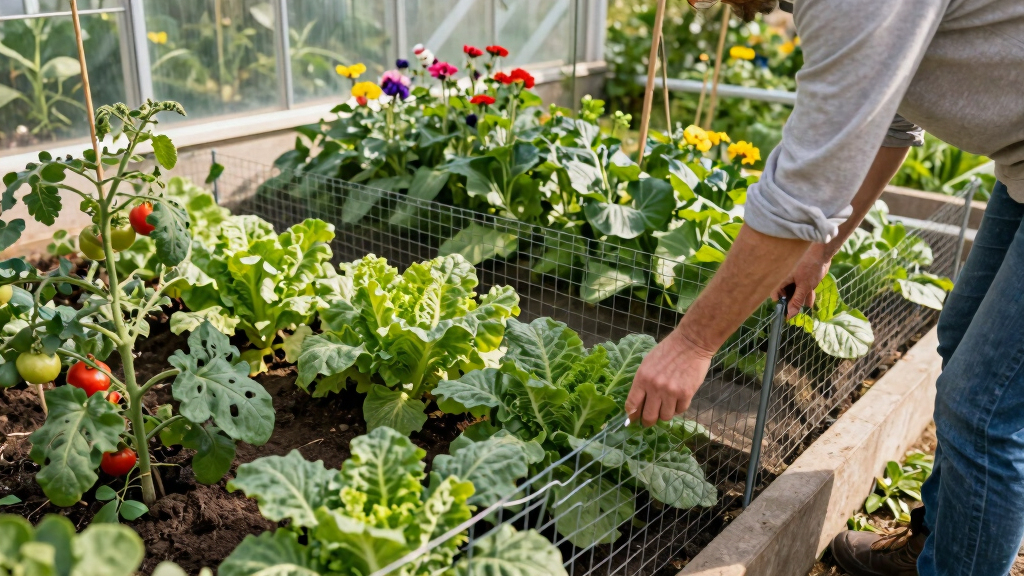
According to wildlife specialists, the most confirmed and effective method to prevent groundhogs from invading gardens is installing physical barriers such as underground fences made of hardware cloth or wire mesh, extending at least 3 feet deep and 2 feet above ground, similar to the advice in garden tool storage tips. These barriers prevent groundhogs from burrowing into cultivated areas. Additionally, habitat modification—such as removing brush piles, tall weeds, and dense vegetation—reduces groundhog shelter and food sources, making gardens less attractive.
Repellents, including commercial chemical deterrents and natural options like human hair or predator urine, have shown mixed results according to recent studies. Experts from the University of California Cooperative Extension recommend using these as supplementary measures rather than sole solutions, much like garden cheats can help improve your gardening efforts. Trapping and relocating groundhogs is also advised by some wildlife agencies, but this method requires proper permits and adherence to local regulations.
Why Protecting Gardens from Groundhogs Matters
Preventing groundhog damage is important for gardeners and farmers because these animals can consume large quantities of vegetables, fruits, and ornamental plants, leading to significant crop loss. Effective deterrence methods help reduce economic impact and preserve garden aesthetics. Additionally, understanding proven strategies helps prevent unnecessary use of harmful chemicals and promotes humane control practices, aligning with wildlife conservation efforts.
groundhog underground fence hardware cloth
As an affiliate, we earn on qualifying purchases.
As an affiliate, we earn on qualifying purchases.
Groundhog Activity and Growing Garden Concerns
Groundhogs, also known as woodchucks, are common in North America and typically emerge in early spring to forage. Recent reports indicate increased garden damage in various regions, possibly linked to milder winters and expanded habitat. Historically, gardeners have relied on a combination of physical barriers and habitat management, but recent developments have emphasized the importance of integrated pest management strategies.
Previous years saw widespread use of chemical repellents, though their effectiveness has been questioned. Current advice from wildlife experts emphasizes physical barriers and habitat modification as more sustainable and reliable solutions.
“Installing underground fencing that extends at least 3 feet deep is one of the most reliable methods to keep groundhogs out of your garden.”
— Dr. Emily Carter, Wildlife Specialist
Limitations and Uncertainties in Groundhog Control
While physical barriers and habitat modifications are confirmed as effective, the long-term success of repellents remains uncertain, with mixed results reported. The efficacy of trapping and relocation varies depending on local regulations and groundhog population dynamics, and some experts caution against relying solely on chemical deterrents. It is also unclear how climate variations might influence groundhog activity and garden damage in future seasons.
Next Steps for Gardeners and Wildlife Management
Gardeners are advised to implement physical barriers and habitat modifications as primary strategies this season. Research into more effective, humane repellents continues, and local wildlife agencies may introduce new guidelines or trapping programs. Monitoring groundhog activity and adjusting deterrent measures will be important as the season progresses.
Key Questions
What is the most effective way to keep groundhogs out of my garden?
The most confirmed method is installing underground fencing made of hardware cloth or wire mesh that extends at least 3 feet deep and 2 feet above ground. Habitat modification also helps by removing shelter and food sources.
Are repellents reliable for groundhog control?
According to experts, repellents can be used as supplementary measures but are generally less reliable than physical barriers or habitat management.
Can I trap and relocate groundhogs myself?
Yes, but it requires proper permits and adherence to local regulations. Wildlife agencies recommend consulting professionals for humane trapping and relocation.
Will removing brush piles and dense vegetation eliminate groundhogs?
Habitat modification can significantly reduce groundhog shelter and food sources, making your garden less attractive to them.
Is there any new technology or method emerging for groundhog control?
Research is ongoing into more effective deterrents, but currently, physical barriers and habitat modifications remain the most reliable options.
Source: rss
Halloween Picks
halloween
As an affiliate, we earn on qualifying purchases.