
When it comes to wind turbine blades, weight is a critical factor. As I've learned, even slight variations in weight can significantly impact aerodynamics, performance, and overall sustainability. Lighter blades enhance control, maneuverability, and energy production, while heavier blades may limit wind capture efficiency and increase maintenance costs. Optimizing blade weight is essential for best performance, and researchers are continually seeking innovative materials and manufacturing processes to reduce weight without compromising strength and durability. As I explore further, I'll uncover more about the economic, safety, and maintenance implications of blade weight, as well as the cutting-edge trends shaping the future of wind energy.
Key Takeaways
- Optimizing blade weight is crucial for enhancing wind turbine performance, as heavier blades limit wind capture efficiency and increase maintenance costs.
- Advanced materials like fiberglass and carbon fiber offer exceptional strength-to-weight ratios, enabling lighter and stronger blades.
- Reducing blade weight minimizes transportation, installation, and maintenance costs, while also ensuring a safer working environment.
- Proper blade upkeep and proactive maintenance are critical for prolonging turbine lifespan and minimizing downtime.
- Innovative designs and advanced materials are revolutionizing blade weight reduction, enabling longer, lighter blades that capture more energy.

Marsrock 22.83" 58CM Length White Color High Strength Carbon Fibers Wind Blade Nylon Fiber Wind Turbine Blade for DIY Horizontal Wind Turbine Generator Windmill Assembling (White)
- Aerodynamic Streamlined Design: Reduces air resistance, easy to start
- High-Quality Reinforced Materials: Flexible, high tensile strength
- Durable and Corrosion-Resistant: Resists acid, alkali, and weathering
As an affiliate, we earn on qualifying purchases.
As an affiliate, we earn on qualifying purchases.
Impact on Aerodynamics and Performance
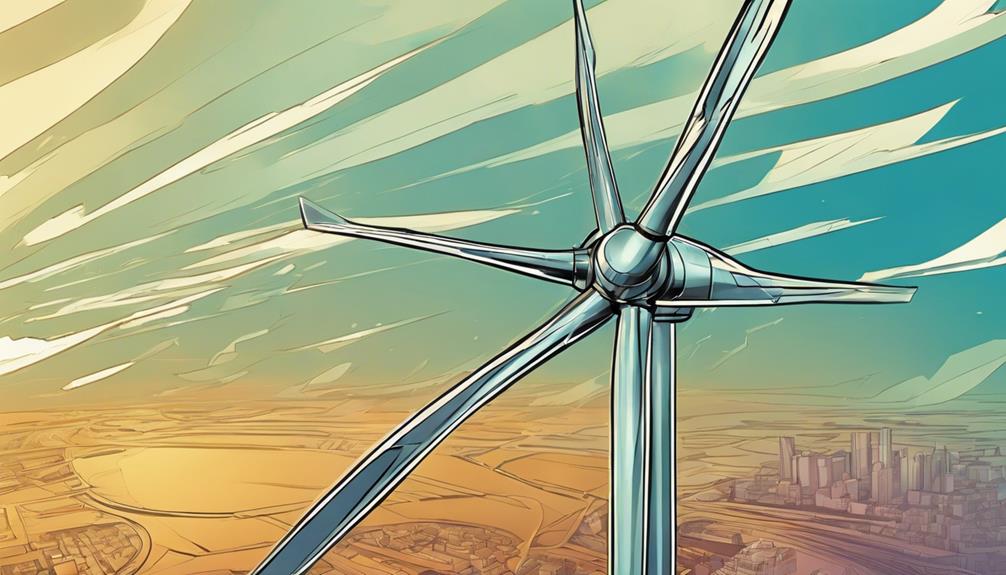
As I explore the intricacies of wind turbine design, it becomes clear that blade weight has a significant impact on aerodynamics, with even slight variations in weight influencing the delicate balance of lift and drag forces that determine a turbine's energy capture and overall performance.
Lighter blades enhance control, maneuverability, and energy production, while heavier blades may limit wind capture efficiency, strain the structure, and increase maintenance costs. The weight of the blade directly affects the turbine's ability to harness wind energy, and optimizing it's essential for best performance.
A well-designed blade can make all the difference in energy production, and I'm excited to dive deeper into the world of wind turbine blade weight optimization.
Materials and Manufacturing Processes
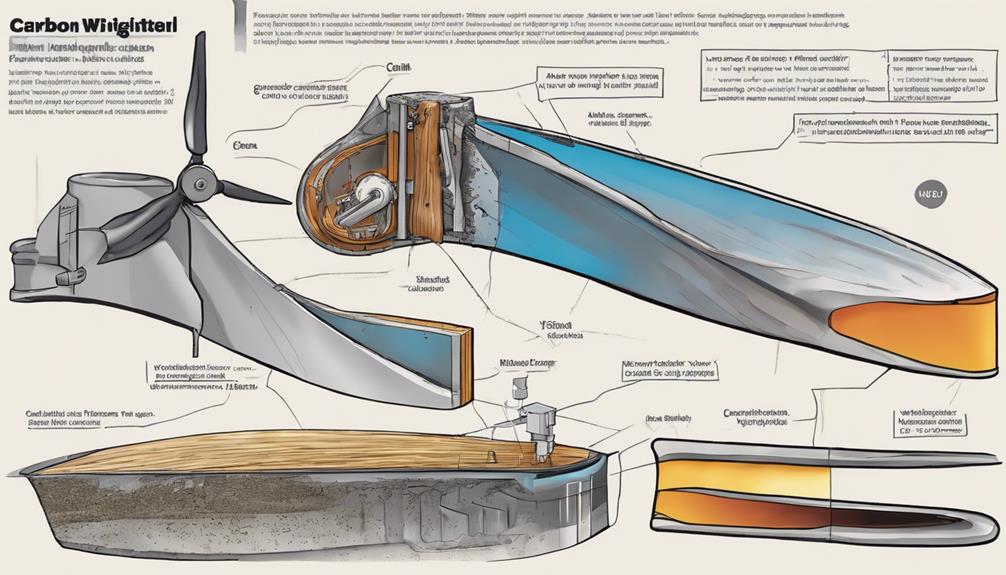
When it comes to building wind turbine blades, the choice of materials and manufacturing methods is crucial, as it directly affects the blade's weight, strength, and durability.
I've found that composites like fiberglass and carbon fiber offer exceptional strength-to-weight ratios, making them ideal for blade construction. Advanced manufacturing processes like vacuum infusion ensure best material distribution and structural integrity.
Researchers are continuously exploring ways to improve these processes, seeking to reduce blade weight without compromising performance. By leveraging these innovations, wind turbine manufacturers can create lighter, stronger blades that capture more energy and require less maintenance.
The result is a more efficient, cost-effective, and sustainable wind energy solution.
Economic and Safety Implications
Heavier wind turbine blades notably amplify transportation, installation, and maintenance costs, making it vital to optimize blade weight for cost-effective and safe wind energy production. A 10-ton increase in blade weight can significantly escalate costs, which can pose a notable burden on wind farm operators.
Additionally, heavy blade weights necessitate strict safety protocols, regular inspections, and specialized equipment for safe operation. Effective risk management strategies and hazard identification are essential for a safe working environment.
Therefore, optimizing blade weight is crucial to minimizing costs and ensuring a safe and efficient wind energy production process. By doing so, we can reduce the economic and safety risks associated with heavy wind turbine blades.
Maintenance and Lifespan Considerations
Proper blade upkeep is crucial for minimizing downtime, enhancing efficiency, and prolonging the lifespan of wind turbine blades, making it a critical aspect of turbine operation.
As I investigate the maintenance and lifespan considerations of wind turbine blades, it's evident that heavier blades accelerate wear and tear on turbine components, requiring more expensive materials and more frequent replacements.
Skilled technicians and proactive care can decrease maintenance costs in the long term, but it's vital to balance blade weight and performance to guarantee turbine longevity and sustainability.
Future Trends in Weight Reduction

As the wind energy industry continues to evolve, I'm excited to explore the cutting-edge materials and innovative designs that are revolutionizing wind turbine blade weight reduction.
Researchers are developing advanced materials like carbon fiber composites and lightweight polymers that offer exceptional strength-to-weight ratios. These innovations enable the creation of longer, lighter blades that capture more energy while reducing maintenance needs.
Aerodynamic design optimization is also playing a pivotal role in weight reduction, allowing for more efficient energy production.
I'm thrilled to see the wind industry embracing these advancements, which will unquestionably enhance sustainability and performance.
As we push the boundaries of what's achievable, I'm confident that wind energy will become an even more viable and efficient source of power.
Frequently Asked Questions
Can Wind Turbine Blades Be Repaired or Must They Be Replaced Entirely?
'I've seen cases where wind turbine blades can be repaired, but often, the damage is too extensive, and replacement is the only viable option to guarantee peak performance and safety.'
How Do Environmental Factors Affect Wind Turbine Blade Weight Optimization?
As I explore wind turbine blade weight enhancement, I realize that environmental factors like wind speeds, temperature, and humidity greatly impact blade design, material selection, and structural integrity, necessitating adaptive solutions to guarantee peak performance.
Are There Any Regulatory Standards for Wind Turbine Blade Weight and Safety?
While there's no one-size-fits-all regulation, I've found that international standards like IEC 61400 and local guidelines do provide frameworks for ensuring wind turbine blade weight and safety, albeit with varying degrees of stringency.
Can Wind Turbine Blades Be Designed for Specific Wind Speeds or Conditions?
Yeah, I can design wind turbine blades for specific wind speeds or conditions. By tailoring blade geometry, material selection, and aerodynamic profiling, I can optimize performance for distinct environmental settings.
How Does Blade Weight Impact the Overall Carbon Footprint of Wind Energy Production?
"As I ponder the eco-friendliness of wind energy, I realize that blade weight plays a significant role; heavier blades require more materials, energy, and maintenance, ultimately increasing the carbon footprint of wind energy production."
What is the Impact of Wind Turbine Blade Weight on Wind Energy Efficiency?
The impact of wind turbine blade weight on wind energy efficiency is significant. Lighter blades reduce the overall weight of the turbine, allowing it to capture more wind energy. Efficient wind blade configurations play a crucial role in maximizing energy output and minimizing operational costs in wind power generation.
Conclusion
As I conclude my exploration of wind turbine blade weight, I'm left with a striking statistic: every kilogram of weight reduction can increase energy production by up to 3%.
That's a staggering 15% boost in annual energy output for a typical wind turbine.
It's hard not to feel a sense of urgency to optimize blade weight, considering the potential impact on our planet's renewable energy future.