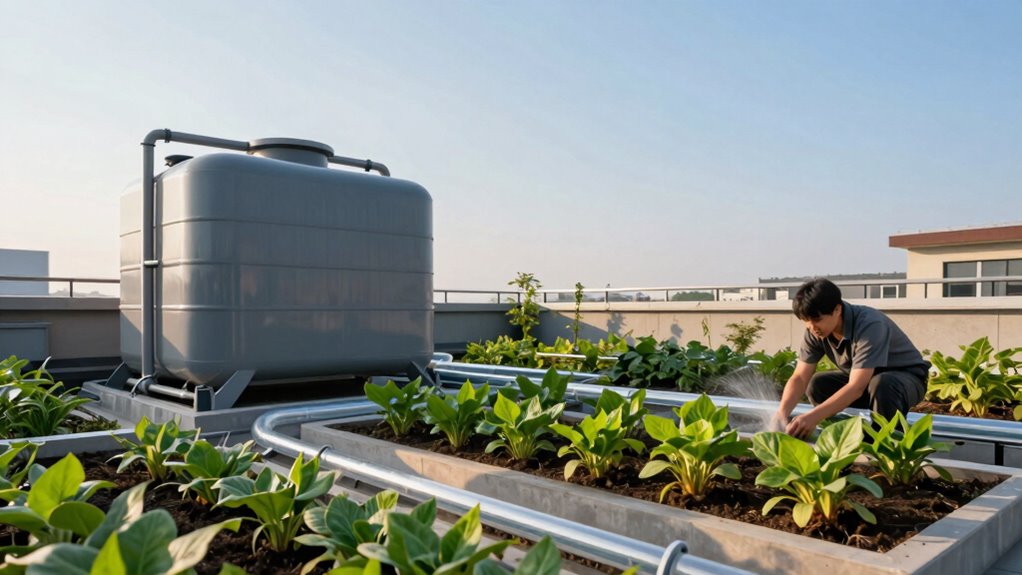

Starting a greywater reuse system requires clear expectations from day one because it involves ongoing maintenance, adherence to regulations, and understanding its limitations. You’ll need to plan for upfront costs, regular cleaning, and potential modifications to your plumbing. Managing these aspects early helps prevent surprises and guarantee you maximize environmental and financial benefits. If you want to discover more about setting realistic goals and maintaining your system effectively, keep exploring this important topic.
Key Takeaways
- Setting realistic expectations ensures proper planning for ongoing maintenance and system capacity.
- Clear understanding helps prevent misuse and health risks associated with greywater systems.
- Defining goals early avoids overestimating system capabilities and environmental benefits.
- Knowing potential costs and limitations allows for better financial and resource management.
- Communicating responsibilities from the start promotes responsible use and long-term system sustainability.
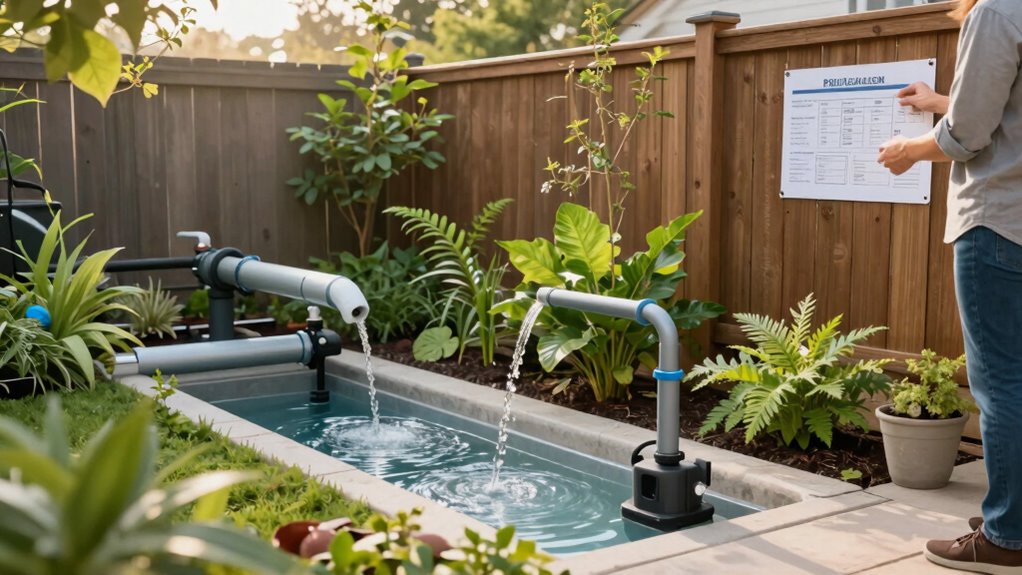
Greywater reuse is gaining popularity as a sustainable solution for reducing water consumption, but understanding what to expect is essential before implementing it. When you start considering greywater systems, it’s important to recognize that there are cost considerations involved. Installing a greywater reuse system can require a substantial upfront investment, especially if you’re opting for more advanced solutions that involve plumbing modifications or filtration units. While the long-term savings on your water bills can offset these initial costs, you need to plan for maintenance expenses and occasional repairs. Knowing these financial factors beforehand helps you set realistic expectations and avoid surprises down the line.
Greywater systems require upfront investment, but long-term savings and environmental benefits make them a worthwhile consideration.
Equally important is understanding the environmental impact of greywater reuse. By reusing water from sinks, showers, or laundry, you’re reducing the strain on municipal water supplies and decreasing the volume of wastewater sent to treatment plants. This leads to a positive environmental impact, as it conserves precious freshwater resources and lowers the energy used in water treatment processes. However, you should also be aware that improper handling or treatment of greywater can cause environmental issues, such as soil contamination or pollution of nearby water bodies. Proper system design and maintenance are essential to guarantee that greywater reuse remains environmentally friendly and beneficial. Additionally, understanding the environmental benefits can help reinforce your commitment to sustainable practices and responsible water management.
From the outset, you need to set clear expectations about the benefits and limitations of greywater reuse. While it can considerably reduce your water consumption and lessen your ecological footprint, it’s not a catch-all solution. You won’t be able to reuse greywater for drinking or cooking, and certain fixtures or appliances may not be suitable for greywater recycling. Additionally, local regulations and health standards might restrict or dictate how you can use greywater, so familiarizing yourself with these rules is vital. Furthermore, understanding the scope of greywater reuse can help you plan and manage your system more effectively. It’s also helpful to recognize that ongoing system maintenance plays a critical role in ensuring the safety and efficiency of your greywater system, which is why establishing a routine from the beginning is crucial. Proper education about the potential health risks associated with greywater systems can further support safe and responsible use.
Understanding the scope of greywater reuse also means being aware of the ongoing effort involved. Regular maintenance, such as cleaning filters and checking for leaks, is necessary to keep the system functioning properly. You should also have realistic expectations about the system’s capacity and how it fits into your overall water management plan. Setting these expectations from day one helps ensure you’re prepared for the commitment involved and can optimize the environmental benefits while managing costs effectively. In the end, a well-informed approach allows you to maximize the advantages of greywater reuse without overestimating its capabilities or overlooking potential challenges.

Grey Water Automated Gravity-Fed Drip Irrigation Kit, Kit Size: Standard
- Gravity-fed design: No pumps or household pressure needed
- Battery timer included: Automates watering schedules
- Multiple kit sizes: Standard, Deluxe, Premium options
As an affiliate, we earn on qualifying purchases.
As an affiliate, we earn on qualifying purchases.
Frequently Asked Questions
What Are the Initial Costs for Implementing Greywater Reuse Systems?
The initial costs for implementing greywater reuse systems vary based on size and complexity, often ranging from a few hundred to several thousand dollars. Cost considerations include equipment, installation, and permits. You should also think about system scalability, ensuring your setup can grow with your needs. Investing upfront helps prevent unexpected expenses later, making clear expectations essential for budgeting and planning effectively from the start.
How Long Does It Typically Take to See Results From Greywater Reuse?
You’ll typically see results from greywater reuse within a few weeks to a couple of months, depending on your system’s water quality management. Proper maintenance guarantees the system’s lifespan and consistent water quality. Over time, you’ll notice improvements in water efficiency and reduced utility bills. Keep monitoring the water quality regularly, as it directly impacts system longevity and effectiveness, helping you enjoy sustainable benefits sooner.
Are There Any Legal Restrictions on Greywater Reuse in Certain Areas?
Yes, there can be legal restrictions and zoning regulations on greywater reuse in certain areas. You need to check local laws because some regions require permits or have restrictions to prevent health risks. Regulations vary widely, so it’s essential to consult your local authorities or environmental agencies before implementing a greywater system. Staying compliant guarantees your reuse efforts are legal and safe for the environment and community.
Can Greywater Reuse Be Integrated With Existing Plumbing Systems Easily?
You can integrate greywater reuse with your existing plumbing, but design challenges may arise, especially around ensuring proper water quality. You’ll need to carefully plan and install filtration and treatment systems to prevent contamination and protect your plumbing. While it’s possible, addressing these design challenges from the start is essential for seamless integration, ensuring the greywater system functions effectively without compromising water quality or plumbing integrity.
What Maintenance Is Required to Ensure Greywater System Efficiency?
To keep your greywater system efficient, you need to follow a consistent maintenance schedule, checking filters and pumps regularly. This guarantees system durability by preventing clogs and leaks. You should inspect for mold, algae, or buildup and clean components as needed. Proper upkeep minimizes breakdowns, extends lifespan, and maintains peak performance, making your greywater reuse system reliable and cost-effective over time.
Conclusion
By setting clear expectations from the start, you’ll avoid misunderstandings and build confidence in greywater reuse. It’s easy to worry about the safety and practicality, but with proper planning and communication, those concerns fade. Embrace the process, stay informed, and trust in the guidelines. With realistic goals and ongoing education, greywater reuse becomes a manageable, beneficial part of your sustainable lifestyle—proving that clarity truly makes all the difference.