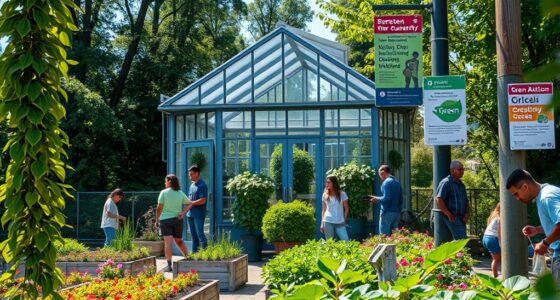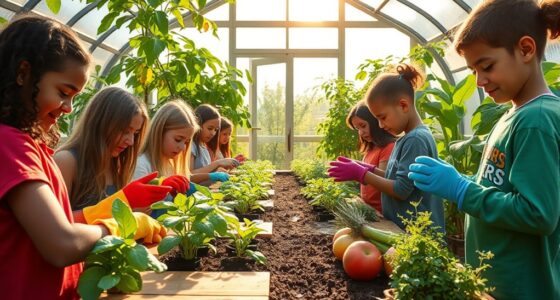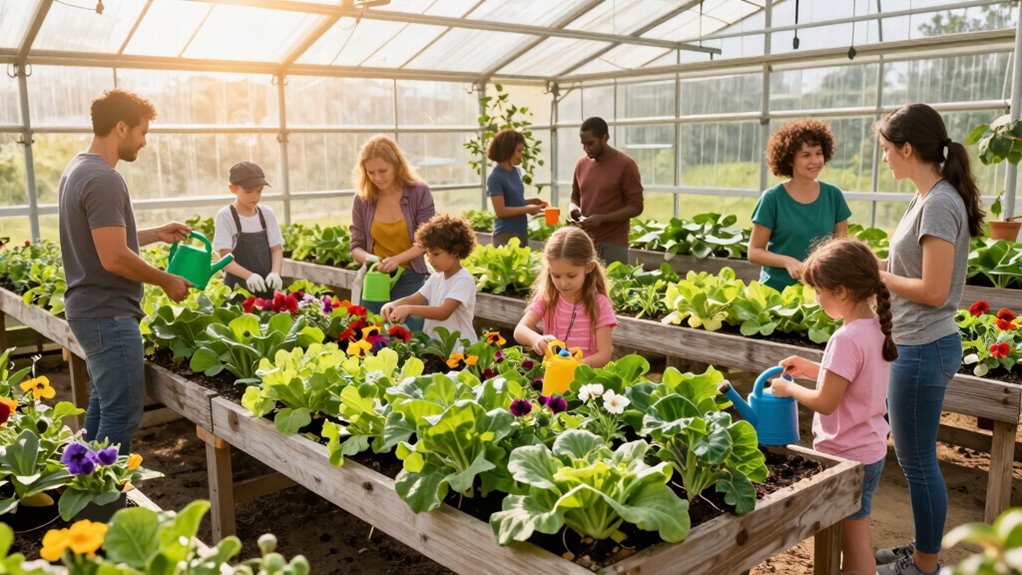

You need better storytelling to showcase your greenhouse’s impact and connect with your community. Engaging stories about your successes, challenges, and personal gardener experiences can inspire support and foster a sense of ownership. Consistent, authentic narratives help attract volunteers, build trust, and keep everyone informed. By sharing these stories, your greenhouse becomes more than just a space — it turns into a vibrant, valued part of the neighborhood. Keep exploring to discover how storytelling can transform your community efforts.

Get garden gear delivered free — and shop member deals
- Fast, free delivery on millions of items
- Access to Prime Big Deal Days deals on October 6–7
- Prime Video, Amazon Music and more included
Key Takeaways
- Effective storytelling builds community engagement, fostering stronger connections and increasing support for greenhouse projects.
- Personal and impactful stories motivate volunteers and highlight the greenhouse’s benefits, encouraging ongoing participation.
- Consistent narratives dispel misconceptions, attract new supporters, and reinforce the greenhouse’s vital role in the neighborhood.
- Sharing success stories and ecological impacts enhances credibility, trust, and long-term investment in the greenhouse.
- Better storytelling creates lasting relationships, securing ongoing support from organizations, donors, and community members.
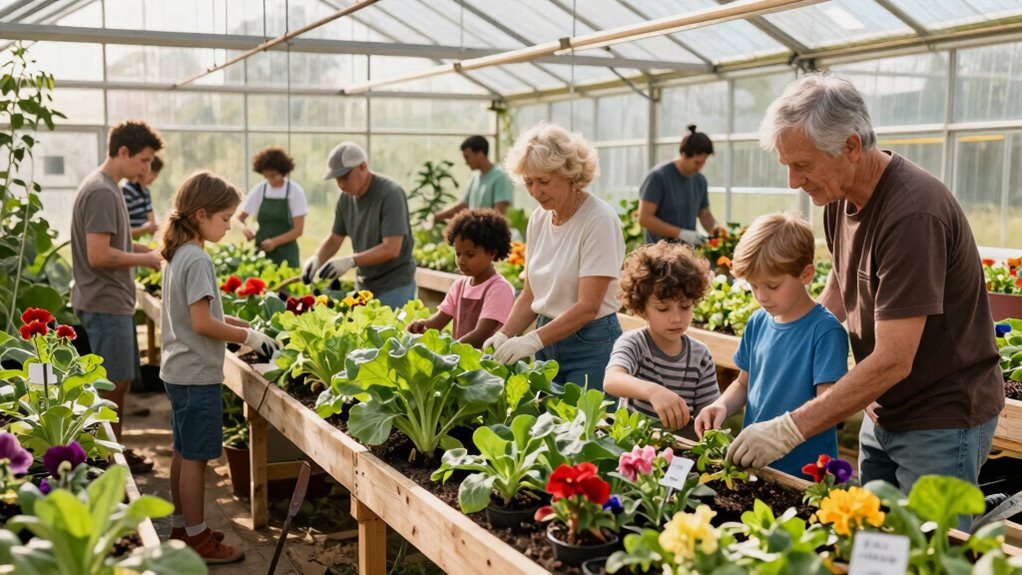
Community greenhouses do more than just grow plants—they foster connections and storytelling among neighbors. These spaces are living proof of what can happen when people come together with a shared purpose. But to truly thrive and expand their impact, greenhouses need better storytelling. When you tell compelling stories about their purpose, successes, and challenges, you create an engaging narrative that resonates with the wider community. This storytelling can help highlight their role in promoting biodiversity and conservation, making their ecological importance clear to everyone. This isn’t just about sharing information; it’s about inspiring others to get involved and see the greenhouse as an essential part of their neighborhood. Better storytelling can turn passive visitors into active supporters, volunteers, and advocates, which is necessary for sustainable outreach.
Community greenhouses thrive through stories that inspire involvement and strengthen neighborhood connections.
Volunteer engagement is especially essential for community greenhouses. When people hear authentic stories about how the greenhouse benefits individuals or the environment, they’re more likely to volunteer their time and skills. Sharing personal stories of gardeners who started with little experience but grew thriving plants can motivate others to join. Highlighting projects that have improved community health or provided fresh produce to local families makes the greenhouse’s impact tangible. These narratives foster a sense of ownership and pride, encouraging ongoing volunteer participation. When you tell the right stories, you make volunteer engagement feel meaningful rather than just a task—it’s a chance to be part of something bigger. Additionally, storytelling techniques can help make these narratives more engaging and memorable, increasing their impact. Incorporating community-driven storytelling can further amplify the voices and experiences that resonate most deeply with local audiences. Furthermore, consistent storytelling builds trust and credibility, which are crucial for long-term support and community investment.
Sustainable outreach depends heavily on storytelling because it helps build lasting relationships. When community greenhouses share their stories regularly—whether through social media, local events, or newsletters—they create a continuous dialogue with the neighborhood. This ongoing communication helps dispel misconceptions, attract new volunteers, and secure support from local organizations and donors. It also keeps the community informed about upcoming projects, successes, and ways to contribute, ensuring the greenhouse remains an integral, vibrant space. Consistent storytelling also helps establish trust and credibility, which are crucial for long-term support. When people see themselves reflected in these stories, it reinforces their connection and commitment to the greenhouse’s mission.
community greenhouse storytelling tools
As an affiliate, we earn on qualifying purchases.
As an affiliate, we earn on qualifying purchases.
Frequently Asked Questions
How Can Storytelling Increase Community Greenhouse Engagement?
Storytelling boosts your community greenhouse engagement by connecting people through shared traditions and local narratives. When you share stories about the greenhouse’s history, successes, and community impact, you foster a sense of ownership and pride. This emotional connection encourages participation, volunteerism, and support. By highlighting local stories and traditions, you make the greenhouse more relatable, inspiring others to get involved and sustain the community space.
What Storytelling Methods Are Most Effective for Greenhouses?
You should embrace plant narratives and visual storytelling, as they’re the most effective methods for greenhouses. Share compelling stories about your plants’ journeys or origins to emotionally connect with your audience. Use vibrant images, videos, and infographics to vividly showcase your greenhouse’s liveliness. These techniques make your message memorable, foster community pride, and inspire participation, turning visitors into passionate advocates for your greenhouse’s growth and sustainability.
How Do Stories Influence Funding and Support for Greenhouses?
Stories directly influence funding advocacy by creating emotional appeal that resonates with potential supporters. When you share compelling stories about how greenhouses impact communities, you inspire others to contribute and support your cause. These narratives make the benefits tangible, encouraging donors and advocates to see the value beyond mere numbers. By strengthening emotional connections, stories can considerably boost support, making your greenhouses more sustainable and influential in community development.
Can Storytelling Improve Educational Outreach in Community Greenhouses?
Coincidences often reveal hidden stories, making your educational outreach more impactful. By sharing personal narratives through visual storytelling, you help visitors connect emotionally with your greenhouse’s mission. This approach fosters understanding and curiosity, inspiring deeper engagement. When you use compelling stories, you make learning memorable, encouraging ongoing participation. Ultimately, storytelling transforms simple facts into meaningful experiences, boosting awareness and support for your community greenhouse’s educational efforts.
What Are Common Challenges in Implementing Storytelling Strategies?
You might face challenges like maintaining narrative authenticity, which is vital for genuine engagement. Audience segmentation can also be tricky; you need to tailor stories to diverse groups without losing authenticity. Limited resources and expertise can hinder storytelling efforts, making it harder to develop compelling narratives. Balancing these factors requires strategic planning and understanding your community’s needs, ensuring your stories resonate and foster meaningful connections.
Conclusion
Think of your community greenhouse as a seedling, full of potential yet needing the right stories to grow strong. When you share its journey—its triumphs and struggles—you’re watering its roots with connection and understanding. Just like a gardener tending delicate sprouts, your storytelling nurtures trust and passion, helping your community flourish. Without these stories, the greenhouse risks becoming just an empty vessel. But with them, it blooms into a vibrant garden of shared hope and resilience.
Fall yard work Picks
leaf blowers
As an affiliate, we earn on qualifying purchases.