TL;DR

Get garden gear delivered free with Prime
- Fast, free delivery on millions of items
- Prime Video, Amazon Music and more included
- Member-only deals all year
Many hummingbirds leave northern parts of the United States and Canada as fall advances, with some reaching Mexico and Central America by November. Others, including Anna’s hummingbirds along the West Coast, may remain through winter; clean, filled feeders, winter-blooming plants and undisturbed nesting cover can support birds where they are present.
Many hummingbirds head south as autumn brings shorter daylight and scarcer food, but not all leave the United States for winter, according to a report by Homes and Gardens. The report says species and populations differ in their movements, and recommends maintaining clean feeders, providing natural nectar sources and preserving trees and shrubs where birds may shelter.
Ruby-throated, Rufous and Calliope hummingbirds generally migrate toward Mexico, with some continuing into Central America. The report says many migrants have reached those regions by November. That is a broad seasonal pattern, not a guarantee about where an individual bird will be at a given time.
Some hummingbirds remain farther north. Anna’s hummingbirds are often found along the West Coast and in the Pacific Northwest during winter. Allen’s hummingbirds have distinct populations: one migrates to Mexico, while another remains in southern California year-round, according to the report.
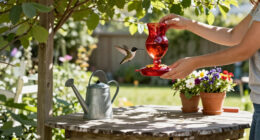
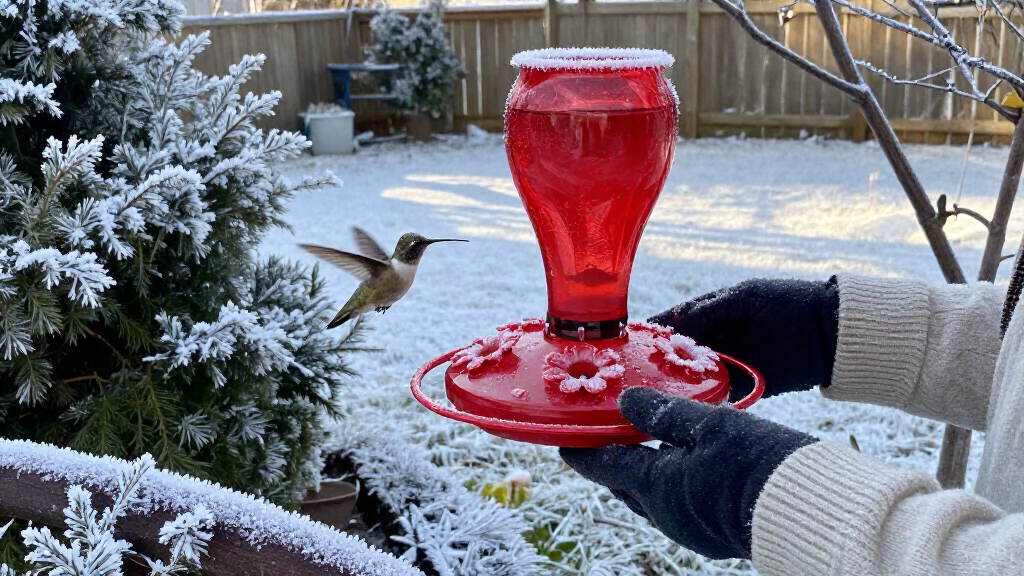
For birds that visit a yard in cold weather, the recommended steps include keeping feeders filled and clean, and using a heated feeder where needed to prevent nectar from freezing, as outlined in these winter bird-feeding tips. The report also suggests planting winter-blooming camellias as a natural nectar source, alongside other ways to attract hummingbirds to your yard. It advises delaying pruning of trees and shrubs so potential shelter and nesting sites are not disturbed; learn more about helping trees heal after pruning.
Winter Food and Shelter for Hummingbirds
Winter conditions can reduce the food available to hummingbirds, while cold weather can make nectar in feeders freeze. For birds that stay in a region or pass through it, a reliable food source and sheltered habitat may help them meet their needs. The guidance is relevant even to people who rarely see hummingbirds: local presence varies, and a lack of sightings does not establish that birds have been frightened away or that none remain nearby.
These suggestions are forms of backyard support, not a substitute for suitable habitat across a bird’s range. Keeping feeders clean matters alongside filling them, and natural flowering plants can offer another food source. Preserving shrubs and trees also avoids removing cover during a season when birds may need it.
Popular right now

Ninja Foodi 6-in-1 DualZone Air Fryer, 8 qt, Grey (DZ201)

Dyson W1 PencilWash Wet and Dry Cleaner with Dok Cordless Wet Floor Cleaner

Bose QuietComfort Headphones (2nd Gen), Wireless Over-Ear Noise-Cancelling Headphones, Hazelnut Taupe
As an affiliate, we earn on qualifying purchases.
Migration Varies by Species and Region
The report describes fall as a period when different hummingbird species move south from parts of the United States and Canada. Shorter daylight hours and the search for more reliable food are given as signals associated with that seasonal movement. By November, many birds have reached Mexico or Central America, although some species and populations remain in the United States.
One way the report says resident hummingbirds cope with cold nights is torpor, a state in which birds lower their body temperature and slow their metabolism to conserve energy. This is described in connection with Anna’s hummingbirds; it does not mean all hummingbirds stay through winter or respond to cold in the same way. The report also mentions smart feeders as a way for people to monitor activity, but does not provide data from such monitoring.
““Fall is a transitional period” in which different hummingbird species move south from parts of the United States and Canada.”
— Homes and Gardens report
Local Sightings Remain Unpredictable
The report does not provide population counts, migration tracking data, or a forecast for hummingbird numbers in any particular yard. Its descriptions are general patterns; the route and winter location of an individual bird may differ. It is also unclear from the report how much any one feeder, heated or otherwise, affects survival or local populations.
People should not assume that a feeder will attract hummingbirds if none are present in the area. The source recommends regular cleaning and refilling but does not specify a cleaning schedule or nectar recipe. Conditions such as local weather and the timing of blooms can also affect whether food is available when birds visit.
Keep Support in Place Through Winter
As winter continues, residents can watch for local activity and adjust support to the conditions: keep any feeder in use clean and filled, prevent nectar from freezing where necessary, and leave trees and shrubs unpruned when they may provide cover. Planting winter-blooming flowers can add a natural food source over time.
If hummingbirds are not appearing, the report suggests supporting other wildlife by leaving fallen leaves and faded perennials in place where appropriate and creating garden shelter. The next signs of changing hummingbird activity will depend on local conditions and seasonal movement; the report gives no specific dates for spring return.
Key Questions
Where do hummingbirds go in winter?
Many Ruby-throated, Rufous and Calliope hummingbirds migrate toward Mexico, and some continue to Central America. Some hummingbirds remain in parts of the United States.
Do any hummingbirds stay in the United States?
Yes. The report says Anna’s hummingbirds are often present along the West Coast and Pacific Northwest in winter, while one Allen’s hummingbird population remains in southern California year-round.
How can I help hummingbirds in cold weather?
Keep feeders clean and filled, and consider a heated feeder if nectar is freezing. Winter-blooming plants such as camellias can provide natural nectar, while leaving trees and shrubs unpruned can preserve shelter.
Why have hummingbirds disappeared from my yard?
The report says a seasonal decline in sightings may reflect migration as daylight shortens and food becomes scarcer. A lack of sightings alone does not show that birds were scared away.
Source: homesandgardens.com