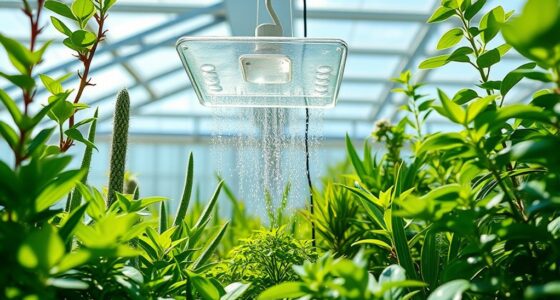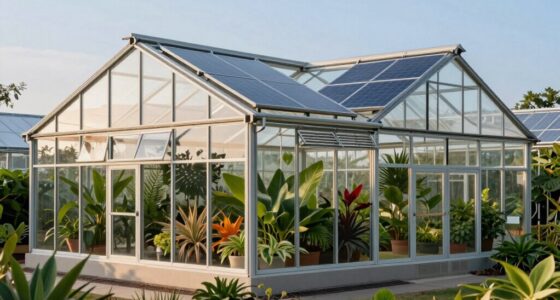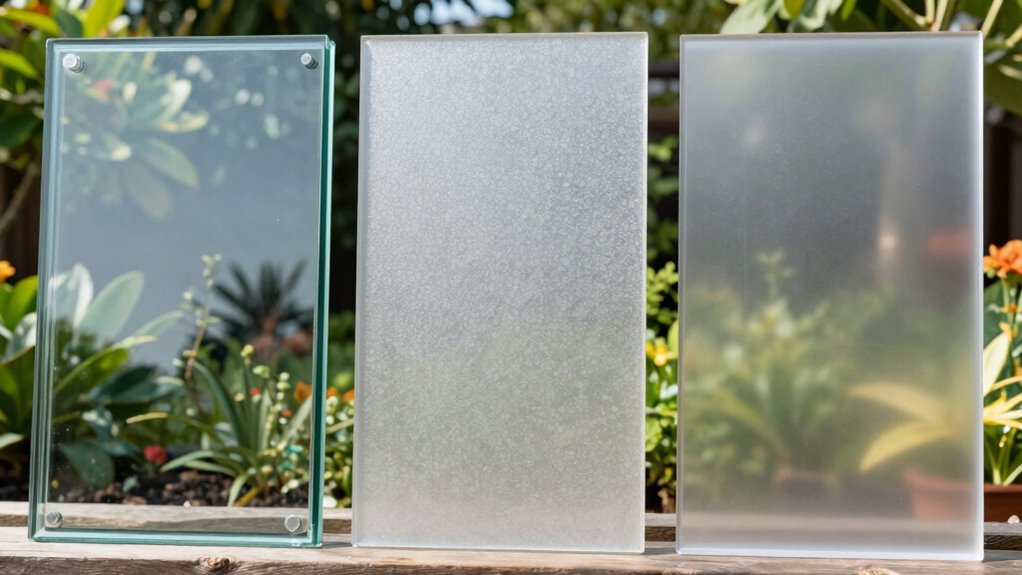

When choosing greenhouse glazing, consider that glass offers high light and UV transmission for vigorous growth but is less insulated and more fragile. Polycarbonate provides better impact resistance and insulation, making it ideal for cooler climates, though it blocks some UV rays. Films are flexible, affordable, and customizable, but impact resistance varies. Your climate, plant needs, and budget all influence the best choice—stick around to explore which option fits your greenhouse goals best.
Get ready for Prime Big Deal Days — try Prime free
Exclusive member deals on October 6–7, plus fast free delivery. Cancel anytime.
As an affiliate, we earn on qualifying purchases.
Key Takeaways
- Glass offers high UV and light transmission but has lower insulation and is more fragile; ideal for light-intensive environments.
- Polycarbonate provides better impact resistance and thermal insulation, suitable for colder climates and durable applications.
- Films are versatile and customizable, allowing adjustable UV and light transmission, with cost-effective, flexible installation options.
- Consider climate: glass excels in high-light, warm conditions; polycarbonate suits colder or impact-prone environments; films work for adaptable, budget-conscious setups.
- Long-term maintenance, durability, and impact resistance should guide material choice based on environmental stability and application needs.
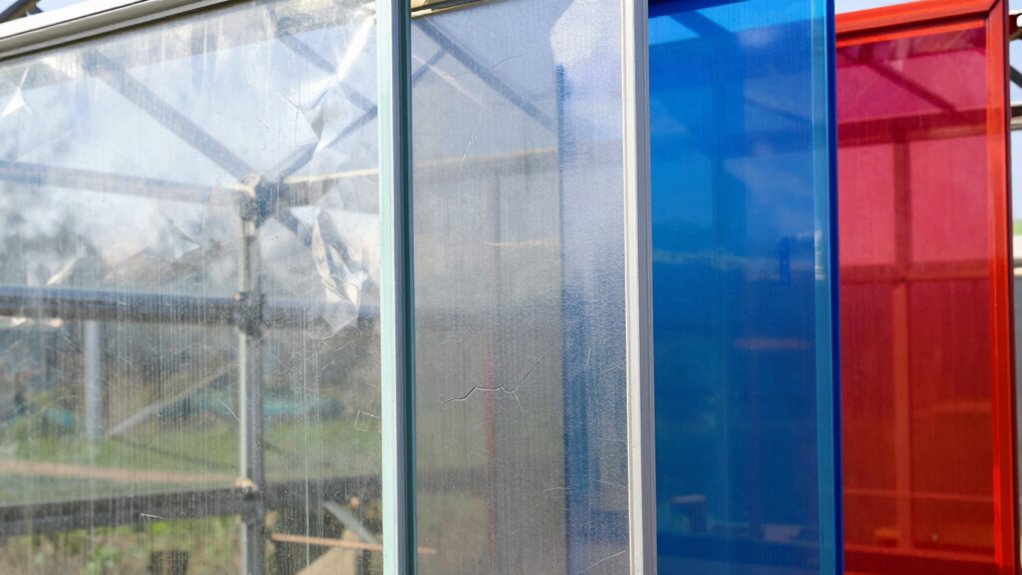
Choosing the right greenhouse glazing is essential for creating an ideal environment for your plants. Your choice affects how well your greenhouse controls temperature, light, and humidity, ultimately influencing plant growth and health. When comparing options like glass, polycarbonate, and film, you need to consider how each material handles UV transmission and thermal insulation. UV transmission is important because it determines how much ultraviolet light reaches your plants, which can influence their growth and development. Too much UV can stress or damage delicate plants, but a certain amount is beneficial for strong growth. Glass typically offers high UV transmission, allowing more natural light to penetrate, which can promote vigorous plant development. Polycarbonate sheets generally block some UV rays, reducing stress on sensitive plants, but still transmit enough light for healthy growth. Film coverings, especially those made of polyethylene, often have adjustable UV transmission properties, allowing you to tailor light exposure based on your plant needs. Additionally, the durability and impact resistance of each material can influence your long-term maintenance and investment.
Thermal insulation is equally critical, as it impacts how much heat is retained inside your greenhouse. Good insulation minimizes heat loss during colder months, reducing energy costs and maintaining a stable environment. Glass, while providing excellent clarity and natural light, isn’t the best insulator. It conducts heat easily, meaning you might need supplemental heating in winter. Polycarbonate, on the other hand, offers superior thermal insulation thanks to its cellular structure, trapping air and reducing heat transfer. This makes it a popular choice for growers in cooler climates. Film coverings tend to have the lowest insulation value but can be layered or combined with other materials to improve thermal performance. Some films are designed with reflective or insulating layers that boost their ability to retain heat, making them more energy-efficient.
Your decision should weigh these factors carefully. If maximizing natural light and UV transmission is your priority, glass might be the best fit, especially if you’re prepared to handle its lower insulation. For better thermal management and impact resistance, polycarbonate offers a balanced solution, though it may slightly reduce UV transmission. Films provide flexibility and affordability, but their insulation capabilities depend on the specific type and layering. Some film coverings are designed to optimize both light transmission and thermal performance, giving you more control over your greenhouse environment. Ultimately, understanding how each glazing material handles UV transmission and thermal insulation helps you create a controlled environment tailored to your plants’ needs, ensuring healthy growth year-round.
As an affiliate, we earn on qualifying purchases.
Frequently Asked Questions
How Does Glazing Impact Greenhouse Temperature Regulation?
Glazing considerably influences your greenhouse’s temperature regulation by controlling solar heat and insulative properties. It allows the right amount of sunlight to enter, boosting heat during the day, while its insulative qualities help retain that warmth overnight. Choosing the suitable glazing material guarantees you maintain ideal temperatures, reducing energy costs and creating a stable environment for your plants. Proper glazing balances solar heat gain and insulation for effective temperature control.
Are There Specific Climates Better Suited for Each Glazing Type?
Did you know that polycarbonate is preferred in regions with extreme weather? You’ll find glass ideal for temperate climates, offering excellent light and durability, while film works well in warmer, sunnier areas due to its lightweight and cost-effectiveness. Regional preferences influence glazing choices, as climate suitability impacts energy efficiency and crop growth. So, consider your local weather patterns to choose the best glazing for your greenhouse’s success.
What Maintenance Is Required for Glass, Polycarbonate, and Film Glazing?
You’ll need to keep up regular cleaning routines to maintain clarity for glass, polycarbonate, and film glazing. Glass requires gentle cleaning to avoid scratches, while polycarbonate needs softer cloths to prevent damage. Film glazing generally needs less maintenance but should be checked for dirt buildup. Durability concerns mean inspecting for cracks or tears frequently, replacing or repairing damaged panels promptly to guarantee peak performance and longevity of your greenhouse.
Can Glazing Choices Influence Plant Growth Rates?
Your glazing choice directly influences plant growth rates by affecting light transmission and nutrient absorption. Clear glass offers high light penetration, boosting photosynthesis, while polycarbonate and film can soften or filter light, potentially slowing growth but reducing stress. By selecting the right glazing, you optimize light quality, ensuring your plants absorb nutrients efficiently and thrive, whether you prioritize maximum growth or environmental protection.
What Are the Long-Term Cost Differences Among Glazing Options?
You’ll find that glass has a higher initial investment but lasts longer, reducing replacement frequency over time. Polycarbonate costs less upfront but may need replacement sooner, increasing long-term expenses. Film offers the lowest initial cost but often requires frequent replacements, raising overall costs. Consider your budget and maintenance comfort; investing in durable glazing like glass could save money in the long run, while cheaper options might lead to higher replacement costs.
Conclusion
Choosing the right greenhouse glazing is like planting a seed—your decision shapes future growth. Imagine a gardener who picked the perfect glass for her plants; her greenhouse flourished, thriving under ideal conditions. Similarly, selecting between glass, poly, or film impacts your crop yield and maintenance. Think of it as crafting a sturdy foundation for your green thumb’s success. Make an informed choice, and watch your greenhouse thrive like that gardener’s lush, vibrant haven.
Fall Picks
fall essentials
As an affiliate, we earn on qualifying purchases.