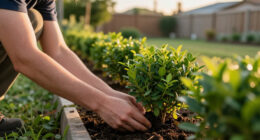
You can revitalize your soil by supporting its vibrant microbial community through regenerative practices like cover cropping. These techniques feed beneficial microbes, improve soil structure, and promote nutrient cycling, leading to healthier plants and reduced chemical use. As microbes naturally suppress pests and build resilience, your land becomes more sustainable and productive. If you keep exploring, you’ll uncover how nurturing this underground ecosystem sparks a true revolution in farming and ecological health.
Key Takeaways
- Cover cropping enhances soil microbiome diversity, promoting nutrient cycling, organic matter buildup, and soil resilience.
- Healthy soil microbiomes naturally suppress pests and diseases, reducing chemical input reliance.
- Integrating cover crops supports carbon sequestration, climate mitigation, and long-term land productivity.
- Microbial activity improves soil structure, water retention, and erosion control, vital for regenerative farming.
- Promoting underground microbial networks transforms soil health into a dynamic, regenerative foundation for sustainable agriculture.
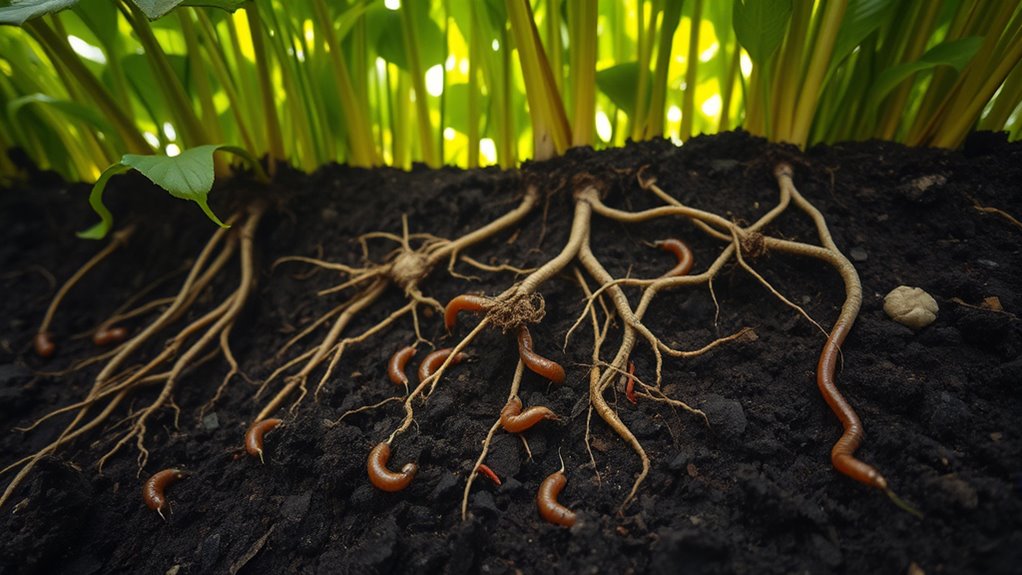
Have you ever wondered how healthy soil can transform agriculture? The secret lies beneath the surface, in a bustling, invisible world called the soil microbiome. This complex community of bacteria, fungi, and other microorganisms plays a pivotal role in maintaining soil vitality. When you foster a thriving soil microbiome, you’re fundamentally giving your crops a nutritional boost, improving their resilience, and reducing the need for chemical inputs. One of the most effective ways to nurture this underground ecosystem is through cover cropping. By planting cover crops during off-season times, you provide a continuous food source for beneficial microbes. These plants, such as legumes or grasses, not only protect the soil from erosion but also enhance its biological activity. As cover crops grow, their roots exude organic compounds that feed the soil microbiome, encouraging diversity and abundance. This, in effect, leads to better soil structure, increased organic matter, and improved water retention. Promoting a healthy soil microbiome also supports soil fertility and long-term agricultural productivity.
Cover cropping acts like a probiotic for your soil. It stimulates microbial populations, which break down organic residues, fix nitrogen, and suppress soil-borne diseases. This natural process reduces your reliance on synthetic fertilizers and pesticides, making your farm more sustainable. When cover crops are terminated, their residues decompose, releasing nutrients slowly and steadily into the soil. This creates a fertile environment that supports healthy plant roots and promotes nutrient cycling. You’ll notice that your crops become more vigorous and resilient, better able to withstand pests and environmental stresses. Fundamentally, cover cropping helps maintain a balanced soil microbiome, preventing the dominance of harmful pathogens and fostering beneficial microbes that support plant health.
The benefits extend beyond immediate crop performance. Healthy soil, rich in microbial life and organic matter, sequesters more carbon from the atmosphere, contributing to climate change mitigation. It also improves soil structure, reducing runoff and erosion, and increases water infiltration, which is indispensable during droughts or heavy rains. Integrating cover cropping into your farming practices is a simple yet powerful step toward regenerative agriculture. It reconnects you with the natural processes that sustain healthy soils. By nurturing the soil microbiome through cover cropping, you’re not just growing crops—you’re healing the land, ensuring its productivity for generations to come. Basically, this underground revolution transforms the way you farm, turning soil health from a passive background element into a dynamic, living foundation of sustainable agriculture.
cover crop seed mixes for regenerative farming
As an affiliate, we earn on qualifying purchases.
As an affiliate, we earn on qualifying purchases.
Frequently Asked Questions
How Does Soil Health Impact Local Water Quality?
Your soil health directly impacts local water quality. Healthy soil reduces soil contamination by filtering pollutants and preventing runoff. It supports nutrient cycling, which ensures plants get essential nutrients without excess leaching into waterways. When soil is degraded, contaminants and excess nutrients easily wash into nearby water sources, causing pollution and harming ecosystems. Maintaining good soil health helps safeguard water quality by promoting a balanced, resilient underground environment.
Can Regenerative Practices Be Applied to Urban Farming?
You can definitely apply regenerative practices to urban farming. For instance, urban composting helps recycle organic waste, enriching soils naturally. Incorporating community gardens allows you to implement crop rotation and cover cropping, which boost soil health. These methods not only improve plant growth but also foster community engagement. Embracing regenerative practices in urban settings creates sustainable food systems, enhances local ecosystems, and promotes greener cities.
What Are the Economic Benefits of Regenerative Agriculture?
They say, “a penny saved is a penny earned,” and regenerative agriculture proves this true. By adopting these practices, you benefit from economic incentives like reduced input costs and improved crop yields. It also boosts market resilience, making your farm more adaptable to economic shifts. Ultimately, your investment in soil health not only sustains the environment but also strengthens your financial stability, proving that good stewardship pays off.
How Quickly Can Soil Health Improvements Be Observed?
You can often see soil health improvements within a few months of adopting regenerative practices. Regular soil testing helps track changes, while increased microbial activity signals healthier soil. You might notice better plant growth and nutrient uptake early on, but significant improvements typically become visible after a growing season or two. Staying consistent with practices like cover cropping and composting accelerates these positive changes.
Are There Potential Risks or Downsides to Regenerative Methods?
Did you know that 60% of farmers report challenges when implementing regenerative methods? While these practices boost soil health and sustainability, you should consider potential risks like nutrient imbalances or pest outbreaks. Implementation challenges can include high upfront costs and knowledge gaps. Being aware of these downsides helps you prepare better, ensuring that regenerative agriculture’s benefits outweigh potential risks and that you can address issues proactively.
Conclusion
By nurturing soil health through regenerative practices, you’re planting the seeds for a sustainable future. Think of the soil as the Earth’s silent heartbeat—powerful yet often overlooked. When you prioritize its vibrancy, you’re not just growing crops; you’re cultivating resilience, biodiversity, and hope beneath the surface. Embrace this underground revolution, and watch how it transforms the world above, turning your efforts into a flourishing garden of life that sustains us all.