
TL;DR
Experts recommend specific flowers for attracting pollinators such as bees and butterflies. This guide highlights top choices to support local ecosystems and enhance garden vitality.
Recent gardening advice confirms that planting specific flowers can significantly increase pollinator activity in residential and community gardens. You can also consider which plants to prune in July to support pollinators. Experts emphasize that choosing the right plants supports biodiversity and helps sustain declining bee and butterfly populations. For example, proper pruning can enhance flowering and pollinator attraction.
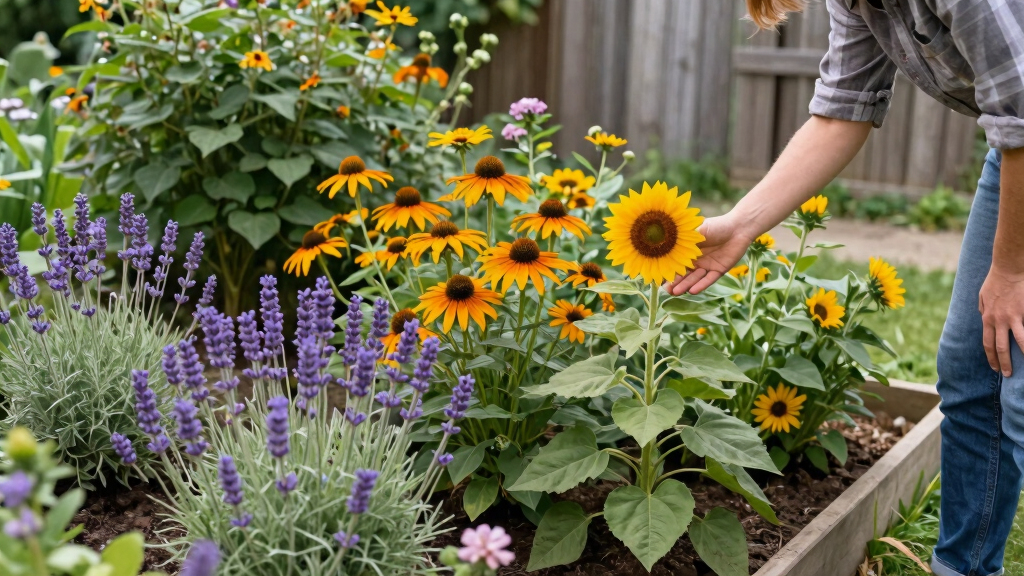
According to recent guidance from horticultural experts, flowers such as coneflowers, bee balm, milkweed, and lavender are among the top choices for attracting pollinators like bees, butterflies, and hummingbirds. These plants provide essential nectar and pollen sources, especially during critical periods of pollinator activity in spring and summer.
Research shows that planting a variety of these flowers can create a continuous bloom cycle, which is vital for supporting pollinator health and ensuring effective pollination of nearby crops and native plants. Learn more about managing your garden’s bloom cycle. The recommendations are based on studies conducted by environmental organizations and university research programs, which highlight the importance of native and nectar-rich plants in pollinator conservation efforts.
Impacts of Pollinator-Friendly Gardening on Ecosystem Health
Supporting pollinator populations through targeted planting has broad ecological benefits, including improved crop yields, enhanced biodiversity, and stronger resilience of local ecosystems. As pollinator numbers decline globally, these gardening practices offer a practical way for individuals and communities to contribute to conservation efforts and ensure food security.
As an affiliate, we earn on qualifying purchases.
Recent Trends and Research in Pollinator-Friendly Plants
Over the past decade, declining bee and butterfly populations have raised alarms among scientists and environmentalists. Studies indicate habitat loss, pesticide use, and climate change are key factors. In response, horticultural experts and conservation groups have promoted planting native, nectar-rich flowers as a simple yet effective strategy to support pollinators. Recent guidelines published in early 2024 compile proven plant choices and best practices for gardeners aiming to attract these vital insects.
“Planting a diverse range of native flowers like coneflowers and milkweed can dramatically boost pollinator visits and support their populations.”
— Dr. Emily Carter, Entomologist
Unresolved Questions About Pollinator Plant Effectiveness
While recommendations are based on current research, there is still ongoing study about the long-term impacts of specific plants on pollinator populations across different regions. It is also unclear how climate variations may alter flowering periods and pollinator preferences, potentially affecting the effectiveness of these plant choices.
Future Research and Adoption of Pollinator Gardening Practices
Researchers plan to conduct longitudinal studies to better understand regional differences and the impact of climate change on pollinator-plant interactions. Meanwhile, gardening organizations and environmental groups are expected to promote these plant choices through educational campaigns and community initiatives, encouraging wider adoption of pollinator-friendly landscapes.
Key Questions
Which flowers are best for attracting bees and butterflies?
Flowers like coneflowers, bee balm, milkweed, lavender, and black-eyed Susans are among the top choices for attracting pollinators due to their nectar-rich blooms and native status.
How can I maximize pollinator visits in my garden?
Plant a variety of native, nectar-producing flowers with staggered bloom times to ensure continuous food sources. Provide water sources and avoid pesticides to create a welcoming environment for pollinators.
Are non-native flowers effective for pollinators?
Some non-native flowers can attract pollinators, but native plants are generally more effective because local pollinators have evolved to rely on them for nectar and pollen.
What is the best time to plant pollinator-friendly flowers?
The best time is early spring through late summer, aligning with the active periods of most pollinators. Planting in early spring allows flowers to establish before peak activity.
Will planting pollinator plants help local ecosystems?
Yes, supporting pollinator populations enhances biodiversity, improves crop pollination, and helps restore declining insect populations, contributing positively to local ecosystems.
Source: rss