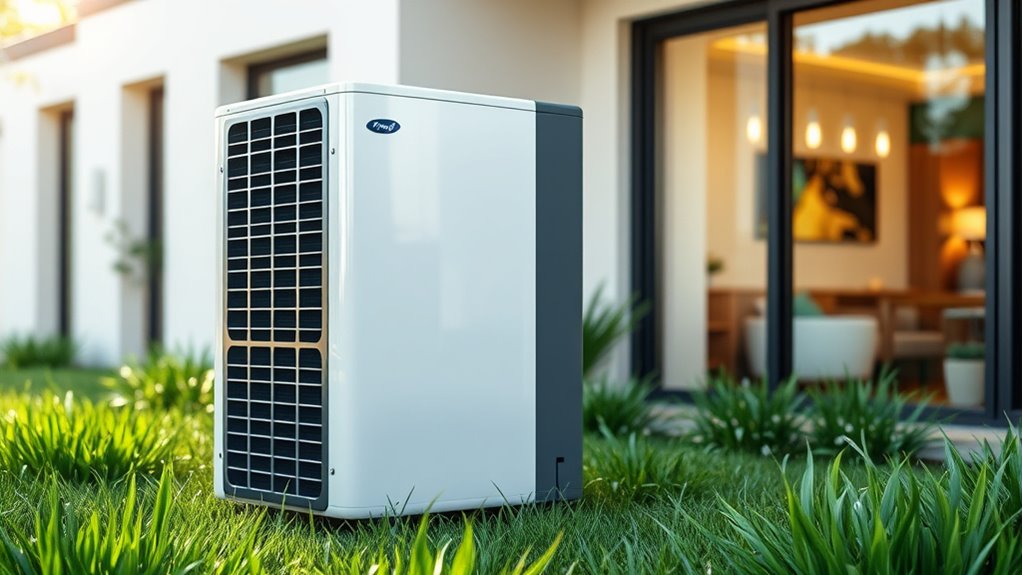

Governments are paying you to switch from gas to heat pumps because they’re more efficient, environmentally friendly, and can save you money long-term. Heat pumps use electricity to move heat, reducing reliance on fossil fuels and lowering your carbon footprint. With incentives, rebates, and tax credits available, shifting becomes more affordable and appealing. These programs aim to help you cut energy costs and support cleaner energy solutions—keep exploring to discover how these incentives can benefit you even more.

Get garden gear delivered free with Prime
- Fast, free delivery on millions of items
- Prime Video, Amazon Music and more included
- Member-only deals all year
Key Takeaways
- Governments offer rebates and tax credits to incentivize the adoption of energy-efficient heat pumps.
- Using heat pumps reduces reliance on fossil fuels, helping lower carbon emissions and environmental impact.
- Incentives make switching from gas systems more affordable and financially attractive for homeowners.
- Promoting heat pump adoption aligns with government goals for cleaner, sustainable energy solutions.
- Supporting heat pump use reduces overall energy consumption and helps meet climate change commitments.
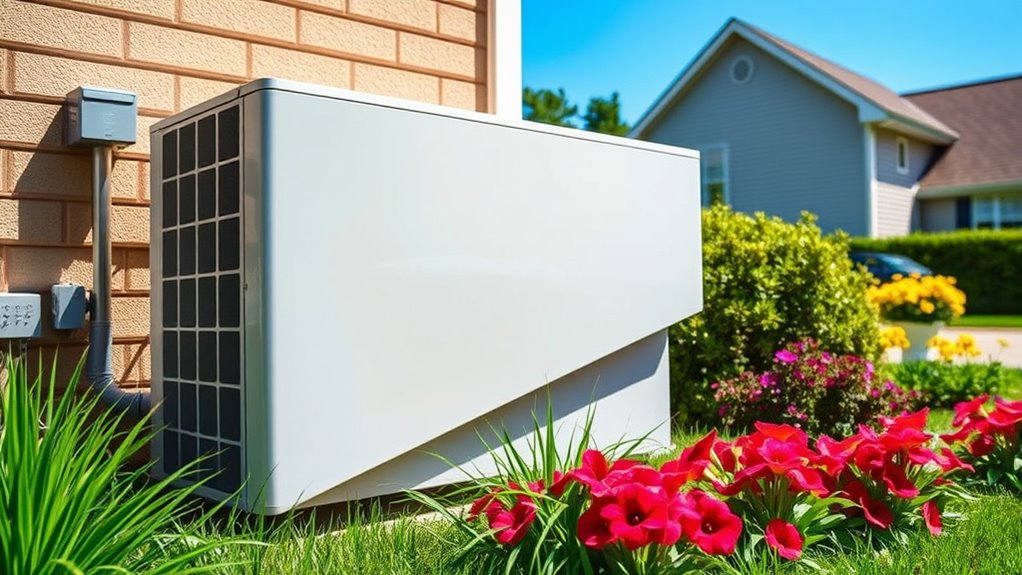
Have you ever wondered how heat pumps can efficiently heat and cool your home? The answer lies in their ability to transfer heat rather than generate it through combustion, making them a wise choice for energy savings. One of the biggest advantages of switching to a heat pump is the potential for significant cost savings. Unlike traditional gas systems that burn fuel to produce heat, heat pumps use electricity to move heat from the outside air or ground into your home, consuming less energy overall. This efficiency translates into lower utility bills, especially as electricity prices tend to be more stable than the fluctuating costs of gas. Over time, these savings can add up, making a heat pump an economical investment, particularly when governments are offering incentives to encourage their adoption.
When it comes to the installation process, you might worry about how complicated or disruptive it could be. The good news is that installing a heat pump is generally straightforward, especially compared to traditional heating systems. Depending on the type of heat pump you choose—air-source or ground-source—the process varies slightly. Air-source units are typically easier to install because they require less excavation and can be mounted on existing walls or rooftops. Ground-source heat pumps, while more involved, still follow a systematic process that involves burying coils underground, which can take a few days but is usually well-managed by professional installers. Most importantly, the installation process is designed to minimize disruption to your daily routine. Certified technicians evaluate your home’s heating and cooling needs, then carefully plan the placement of the unit for ideal efficiency. They handle the technical details, ensuring that the system integrates smoothly with your existing infrastructure.
Once installed, heat pumps operate quietly and require minimal maintenance. Compared to gas systems, they don’t need regular fuel deliveries or complex venting systems, reducing ongoing costs and hassle. Plus, because many governments are pushing for cleaner energy solutions, they’re offering financial incentives, rebates, or tax credits to offset installation costs. These incentives make switching even more attractive, helping you recover your investment faster and enjoy the long-term savings. Overall, the combination of energy efficiency, straightforward installation, and government support makes heat pumps a compelling alternative to traditional gas heating. Not only do they help reduce your carbon footprint, but they also put money back in your pocket through lower bills and incentives. It’s a win-win situation that empowers you to make smarter, more sustainable choices for your home.
As an affiliate, we earn on qualifying purchases.
Frequently Asked Questions
How Long Do Heat Pumps Typically Last?
Heat pumps typically last between 10 to 15 years, depending on usage and maintenance. Their lifetime expectancy can be extended with regular servicing, reducing potential replacement costs. You should plan for eventual replacement to avoid unexpected expenses, but with proper care, your heat pump can serve efficiently for over a decade. Keep an eye on performance signs to determine when it’s time for a replacement to save on costs.
Are Heat Pumps Suitable for Extreme Cold Climates?
If you’re wondering whether heat pumps work in cold climates, the answer is yes, but with some efficiency concerns. Modern cold climate heat pumps are designed to perform well even in freezing temperatures, providing reliable heating. However, their efficiency may decrease as temperatures plummet, so it’s crucial to select models engineered for extreme cold. Proper installation and maintenance can help maximize performance in harsh weather conditions.
What Maintenance Is Required for Heat Pumps?
You’ll want to perform routine maintenance on your heat pump, like changing filters regularly and keeping the outdoor unit clear of debris. It’s also smart to check for unusual noises or leaks and troubleshoot common issues, such as sensor problems or frozen coils. Regular upkeep guarantees efficient operation, extends your system’s lifespan, and helps you catch potential problems early, saving you money on costly repairs down the line.
Can Heat Pumps Also Provide Cooling in Summer?
Ever wondered if your heat pump can keep you cool in summer? Yes, it can! Heat pumps are versatile, providing both heating and cooling, which means you can enjoy energy savings year-round. When considering installation, think about your home’s size and insulation to maximize efficiency. Do you want a system that adapts to seasonal needs? Heat pumps are a smart choice, offering comfort and savings all year long.
What Are the Upfront Costs Compared to Traditional Systems?
When comparing upfront costs, heat pumps generally have higher installation costs than traditional systems. However, you can often find financing options that make them more affordable. While the initial investment might seem steep, remember that heat pumps are energy-efficient, saving you money on bills long-term. Consider the installation costs carefully and explore financing plans to ease the upfront expense and enjoy the benefits sooner.
Conclusion
So, seize the savings and switch to a smarter, sustainable solution. Governments are generously giving you grants to ditch gas and embrace heat pumps. Don’t delay—delve into this dynamic decision that boosts your budget and benefits the planet. Making the move means more money in your pocket and a cleaner, greener future. Take charge, make the change, and enjoy the advantages of this affordable, eco-friendly upgrade today!
Fall yard work Picks
leaf blowers
As an affiliate, we earn on qualifying purchases.