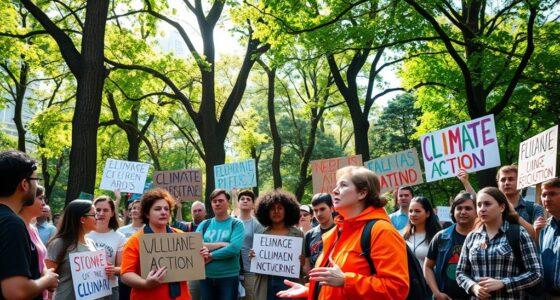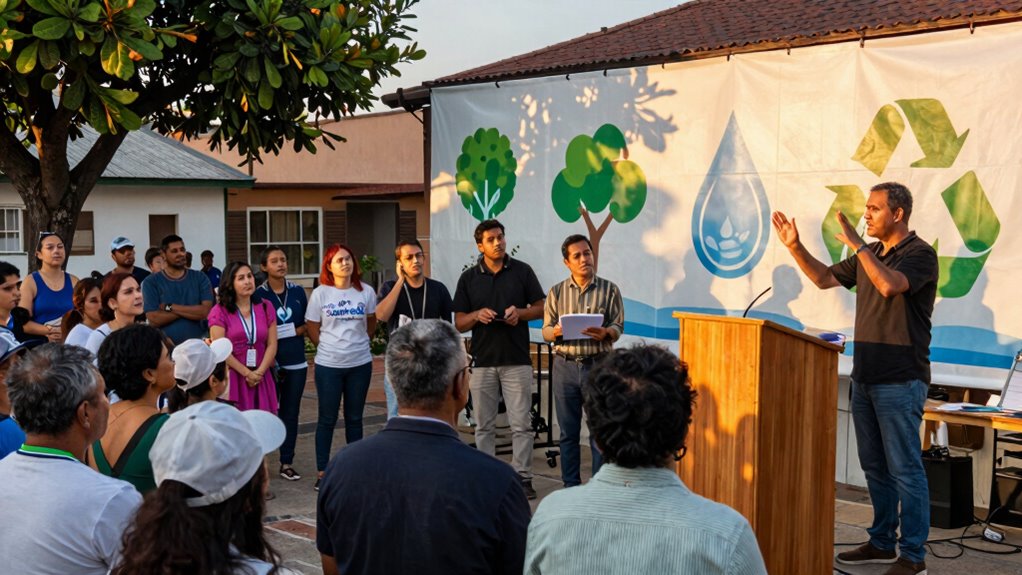

Your public comments can greatly influence environmental outcomes by directly informing policymakers about your community’s concerns and needs. When you participate, you help guarantee decision-makers consider local issues and adjust plans accordingly. Transparency from agencies builds trust and encourages more involvement, amplifying your voice. Your input can lead to changes in land use, pollution control, and conservation efforts, shaping policies that protect ecosystems and public health. Keep exploring to discover how your voice can make a real difference.
Listen free for 30 days with Audible
Thousands of audiobooks and originals — cancel anytime.
As an affiliate, we earn on qualifying purchases.
Key Takeaways
- Public comments highlight local issues that policymakers might overlook, influencing more relevant environmental decisions.
- Transparency in considering public input builds trust and encourages more community participation.
- Community feedback can lead to modifications in land use, pollution controls, and conservation plans.
- Public involvement ensures policies reflect diverse community needs and promotes democratic decision-making.
- Engaged citizens increase accountability, motivating agencies to develop stronger and more effective environmental protections.
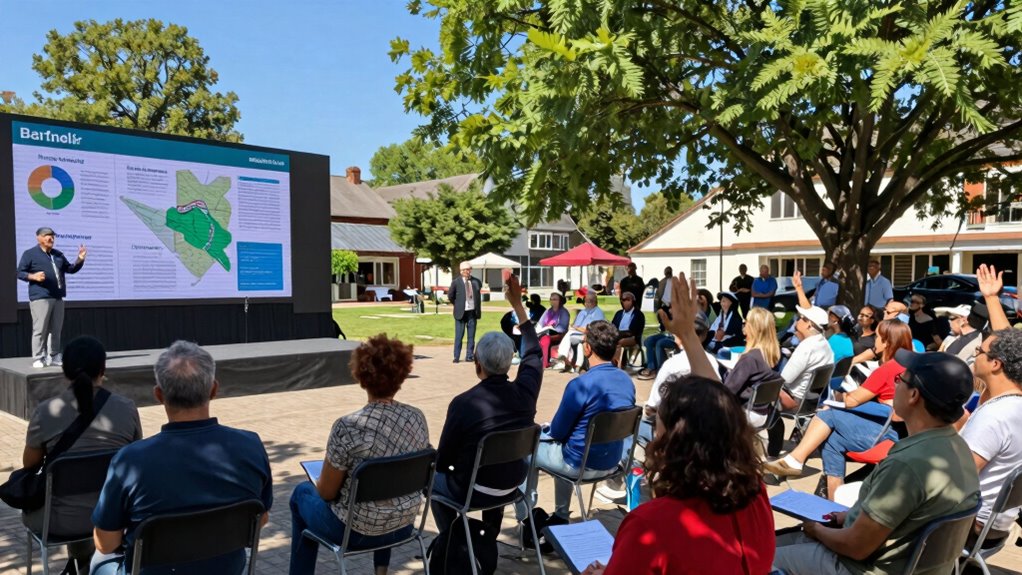
Have you ever wondered how public input influences environmental decisions? It’s a question that gets to the heart of how communities shape policies that impact their environment. When you participate in public comment periods, you’re engaging in an essential process known as community engagement. This process allows you to share your concerns, ideas, and experiences directly with policymakers and agencies responsible for environmental management. Your voice can help highlight local issues that might otherwise be overlooked, guaranteeing that decisions better reflect the needs of those most affected.
Policy transparency plays a pivotal role in this dynamic. When government agencies clearly communicate how decisions are made and how public input is considered, you’re more likely to trust the process and feel motivated to contribute. Transparent policies show that your comments are taken seriously, fostering a sense of shared responsibility. This openness encourages more people to get involved, creating a feedback loop that can lead to more informed and balanced environmental outcomes. Additionally, increased public participation can lead to greater policy effectiveness by ensuring that diverse perspectives are integrated into decision-making. Engaging in public comment periods can also promote a better understanding of complex environmental issues, empowering communities to advocate for sustainable solutions.
Your participation in public comment periods can directly influence the direction of environmental projects, such as land use plans, pollution controls, or conservation initiatives. Agencies often review all comments and may revise their proposals based on the concerns raised. For example, if residents point out potential harm to local wildlife or water sources, authorities might modify plans to mitigate those impacts. This back-and-forth process ensures that policies are not solely driven by technical experts but also incorporate community insights. By voicing your opinions, you contribute to a more democratic decision-making process, where multiple perspectives help craft solutions that are both effective and publicly acceptable.
Furthermore, public comments can serve as a catalyst for greater accountability. When agencies know that their decisions are subject to public scrutiny, they tend to be more diligent in their planning and more responsive to community needs. This accountability can lead to stronger environmental protections and policies that genuinely serve the public interest. Your input can also inspire other community members to get involved, creating a culture of active participation that continually shapes better environmental outcomes. Recognizing the importance of public involvement ensures that environmental policies reflect diverse community needs and foster trust in government actions. Moreover, understanding the public comment process can empower residents to participate effectively and advocate for meaningful change. Engaging in this process can also enhance community resilience, as informed and involved citizens are better equipped to address local environmental challenges.
As an affiliate, we earn on qualifying purchases.
Frequently Asked Questions
How Are Public Comments Collected and Summarized?
Public comments are gathered through public engagement events, online portals, and written submissions. You can submit your community feedback via these channels, making it accessible for officials. After collecting comments, agencies organize and analyze the input, often summarizing key themes and concerns. This process guarantees your voice is heard, helping decision-makers understand public priorities and incorporate community feedback into environmental policies and actions effectively.
Who Reviews and Considers Public Comments During Decision-Making?
They say, “Many hands make light work,” and in decision-making, community engagement plays a crucial role. During the process, officials review and consider public comments to guarantee policy transparency. Usually, a team of experts, policymakers, and environmental specialists analyze the feedback, weighing community input alongside scientific data. This collaborative review process helps shape informed, balanced decisions that reflect public concerns and promote sustainable environmental outcomes.
Can Public Comments Directly Alter Environmental Policies?
Yes, public comments can directly influence environmental policies. Your public influence is powerful because agencies often consider your feedback when shaping policy changes. When you submit comments, you help highlight community concerns, scientific data, or alternative solutions. This input can prompt policymakers to revise or strengthen environmental regulations, ensuring they better reflect public interests and environmental needs. Your involvement makes a tangible difference in driving effective policy change.
What Are Common Barriers to Effective Public Participation?
Barriers to effective public participation act like a locked door, blocking your voice from shaping environmental policies. Limited community engagement, especially when stakeholder diversity isn’t valued, often leaves many voices unheard. Complex jargon, lack of accessible info, and time constraints also discourage participation. To overcome these barriers, you need inclusive outreach, clear communication, and genuine efforts to involve diverse communities, ensuring everyone’s voice can help steer environmental outcomes.
How Is Public Input Weighted Against Scientific Data?
Public influence is often weighed alongside scientific data by decision-makers who seek a scientific balance. Your public input can highlight community concerns, but authorities typically prioritize scientific evidence to guarantee environmental protections. While your voice adds valuable perspective, scientific data guides technical decisions. Effective participation means understanding this balance, so your comments can better complement scientific findings, ultimately shaping policies that consider both community needs and environmental integrity.
Conclusion
So, next time you think your voice doesn’t matter, remember it’s like tossing a pebble into a vast pond. Your comment, small as it seems, can ripple through policies, shaping environmental futures in unexpected ways. Ironically, the power lies not just in the loudest voices, but in the quiet persistence of everyday citizens like you. Your simple act of speaking up could be the tiny spark that ignites real change—proving even the smallest voice can make a big splash.
Fall Picks
fall essentials
As an affiliate, we earn on qualifying purchases.