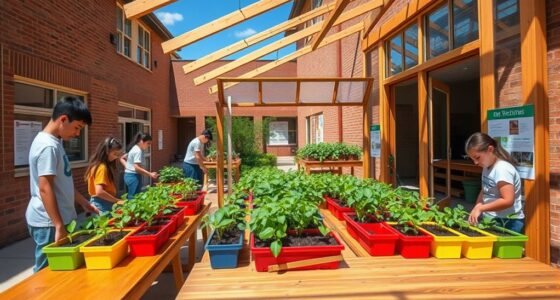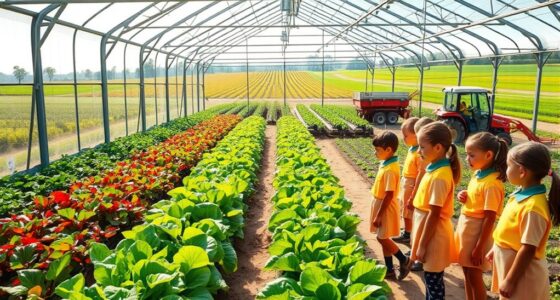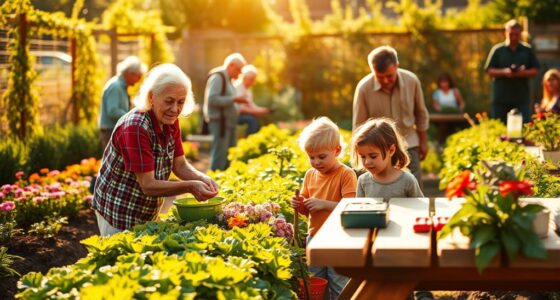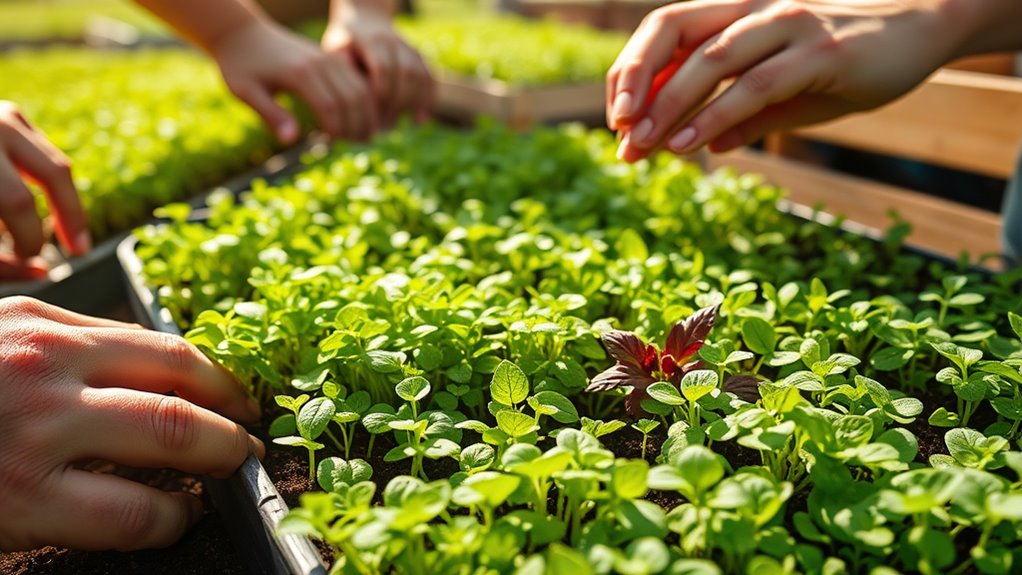

Community projects focused on microgreens show how urban farming can improve your local food security, boost sustainability, and enhance environmental health. You can get involved in growing nutrient-dense superfoods in small spaces like rooftops or windowsills. These efforts promote eco-friendly practices, reduce reliance on distant farms, and turn concrete areas into vibrant green spaces. If you’re interested, you’ll discover more ways microgreen projects empower neighborhoods and support sustainable urban living.
Key Takeaways
- Community microgreen projects enhance local food security and promote sustainable urban agriculture practices.
- These initiatives foster neighborhood collaboration, education, and skill-sharing around growing superfoods.
- Microgreens in urban settings reduce transportation emissions and support eco-friendly farming methods.
- Projects turn unused city spaces into vibrant green hubs, improving environmental quality and community resilience.
- Growing superfoods locally encourages healthier diets and raises awareness about sustainable food production.
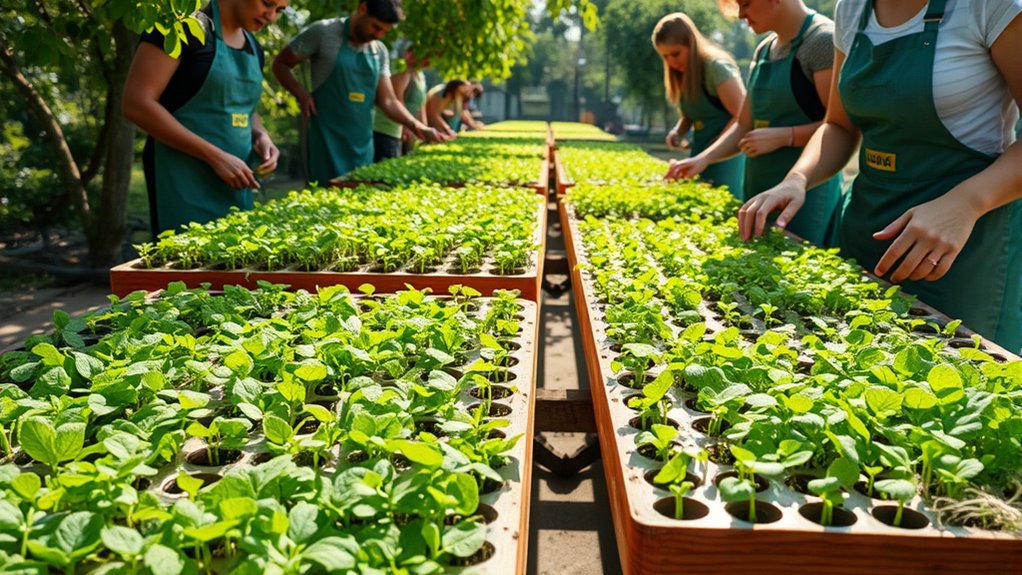
Ever wondered why microgreens have become the latest health craze? It’s because more people are realizing how these tiny superfoods pack a powerful punch of nutrients, flavor, and versatility. As you explore this movement, you’ll see that community projects focused on growing microgreens are transforming urban spaces into vibrant hubs of health and sustainability. These projects are not just about producing fresh greens; they’re about fostering a sense of community, promoting urban farming, and supporting sustainable agriculture practices. When you participate, you’re helping to turn concrete jungles into green oases, making nutritious food accessible to everyone, regardless of space limitations. Vibe coding can also be used to optimize and manage these innovative projects efficiently. Urban farming plays a vital role in this shift. Instead of relying solely on distant farms, communities are taking control of their food sources right in the heart of the city. Microgreens thrive in small, controlled environments like rooftop gardens, window sills, or community plots, making them perfect for urban farming initiatives. These projects often utilize vertical farming techniques, hydroponic systems, or compact containers that maximize limited space. By doing so, they reduce the carbon footprint associated with traditional food transportation, aligning perfectly with sustainable agriculture goals. You get to see firsthand how small-scale, local efforts can have a significant environmental impact, showing that growing your own superfoods isn’t just easy but essential for a healthier planet. Getting involved in community microgreen projects also means learning about sustainable agriculture. These initiatives often emphasize eco-friendly practices, such as organic growing methods, water conservation, and composting. The focus is on creating closed-loop systems that minimize waste and maximize resources. When you grow microgreens this way, you’re actively reducing reliance on chemical fertilizers and pesticides, which benefits both your health and the environment. Plus, these projects often encourage education and skill-sharing, empowering residents to adopt sustainable habits beyond just microgreens. As you participate, you’re not only cultivating nutritious food but also cultivating awareness about environmentally responsible farming. In addition, these community projects foster collaboration and resilience. When you engage in urban farming for microgreens, you join a network of people dedicated to local food security, health, and sustainability. You’ll share tips, seeds, and harvests with neighbors, strengthening community ties. This collective effort helps combat food deserts, provides fresh produce in underserved areas, and inspires others to pursue sustainable agriculture practices. As you see your efforts grow, you realize that microgreens are more than just a trend—they’re a powerful tool for building healthier, more sustainable urban communities.
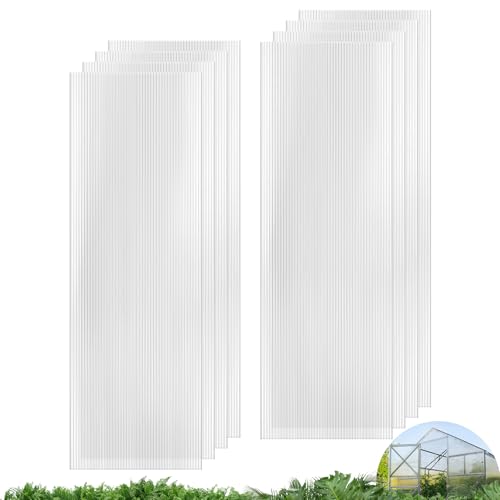
UMIG 8 PCS 6' x 2' x 0.24'' Polycarbonate Greenhouse Panels, Twin-Wall Waterproof UV Protected Corrugated Plastic Roof Panels Sheets, Clear Replacement Panels for Greenhouse, Outdoor, Plant
Double-sided UV Coating: UMIG polycarbonate sheet have UV coating on both sides, which has good UV protection and...
As an affiliate, we earn on qualifying purchases.
Frequently Asked Questions
How Can Beginners Start Their Own Microgreen Project?
Starting your own microgreen project is simple. First, choose the right seeds by researching easy-to-grow options. Next, learn proper planting techniques, like spreading seeds evenly and keeping the soil moist. Use shallow trays with drainage to grow your microgreens indoors or outdoors. Regularly monitor light and water levels, and harvest when they’re lush and tender. With patience and care, you’ll enjoy fresh, nutritious microgreens in no time.
What Are the Costs Involved in Community Microgreen Initiatives?
The costs involved in community microgreen initiatives are like planting seeds in fertile soil—you need to understand the cost analysis first. You’ll need funds for containers, soil, seeds, and lighting. Funding sources vary from grants and donations to community fundraising events. By evaluating expenses carefully and exploring diverse funding options, you can keep your project sustainable and thriving, making superfoods accessible for everyone in your community.
How Do Microgreens Impact Local Food Security?
You can see how microgreens boost local food security by supporting urban agriculture and enhancing food sovereignty. When you grow microgreens, you’re reducing reliance on distant food sources, making fresh, nutritious options more accessible. They thrive in small spaces, encouraging community involvement and sustainable practices. By integrating microgreens into local initiatives, you help strengthen community resilience, promote healthier diets, and foster a self-sufficient urban food system.
Are There Specific Microgreens Best Suited for Urban Environments?
You’ll find that urban microgreen varieties like radish, basil, and mustard thrive best in city settings. They’re well-suited for rooftop gardening because they grow quickly and require limited space. By choosing these varieties, you can maximize your urban garden’s productivity, providing fresh superfoods right in your city environment. These microgreens are perfect for small spaces and make a great addition to any rooftop garden, boosting local food security.
What Are Common Challenges Faced in Community Microgreen Projects?
Imagine vibrant microgreens bursting with life, yet you face hurdles in making this vision real. Common challenges include sustainability concerns, where maintaining eco-friendly practices proves tricky, and funding obstacles, limiting resources and growth. You might struggle with securing consistent support or managing environmental impacts. These issues can hinder your community project’s success, but with strategic planning and persistent effort, you can overcome these obstacles and nurture thriving microgreen gardens.

Falken Design Clear Twin Wall Polycarbonate Panel - 12" x 72" x 1/4" (6mm) - UV Resistant Lightweight, Shatterproof Roof Sheet for DIY, Greenhouses, Sheds & Outdoor Use
Built to Last – Strong & Shatterproof: Falken Design Clear Twin Wall Polycarbonate Roof Panel is designed to...
As an affiliate, we earn on qualifying purchases.
Conclusion
So, immerse yourself in microgreen mania now! Imagine transforming your community into a lush, superfood-filled paradise where everyone’s health skyrockets and local gardens burst with vibrant life. Just a tiny space, a handful of seeds, and you could be the hero fueling a green revolution that makes the world’s most famous farms look like mere sprouts. Get growing, because once you start, there’s no turning back—you’re unleashing a superfood storm that’ll change everything!

UMIG 6 PCS 6' x 2' x 0.24'' Polycarbonate Greenhouse Panels, Twin-Wall Waterproof UV Protected Corrugated Plastic Roof Panels Sheets, Clear Replacement Panels for Greenhouse, Outdoor, Plant
Double-sided UV Coating: UMIG polycarbonate sheet have UV coating on both sides, which has good UV protection and...
As an affiliate, we earn on qualifying purchases.

Multi-Wall or Twin Wall | Green House and Garden Panels | Thickness 6MM | 23.75" x 47.75" | Polycarbonate Panels Strong Impact and Shatterproof | Elevator Light Panels | Color: Clear
HIGH LIGHT TRANSMISSION: Number one seller for green house high quality polycarbonate, visually appealing for green house outdoor...
As an affiliate, we earn on qualifying purchases.