When designing accessible community greenhouses, focus on integrating adjustable shading, wide non-slip pathways, and ergonomic workbenches to support all users. Incorporate climate controls like solar shading and watering systems that minimize physical effort. Use natural light maximally through skylights and include tactile signage for visually impaired visitors. Prioritizing user-friendly features and flexible layouts makes the space welcoming and inclusive. Exploring these strategies further helps you create greenhouses that everyone can enjoy and participate in comfortably.
Listen free for 30 days with Audible
Thousands of audiobooks and originals — cancel anytime.
As an affiliate, we earn on qualifying purchases.
Key Takeaways
- Incorporate wide, smooth pathways with non-slip surfaces for wheelchair and aid access.
- Install adjustable workbenches and ergonomic tools to accommodate diverse user needs.
- Use climate control features like solar shading and misting systems to ensure comfort for all users.
- Integrate natural lighting solutions such as skylights and transparent roofing to enhance visibility and reduce artificial lighting.
- Include tactile signage and clear wayfinding to support visually impaired users and promote independent navigation.
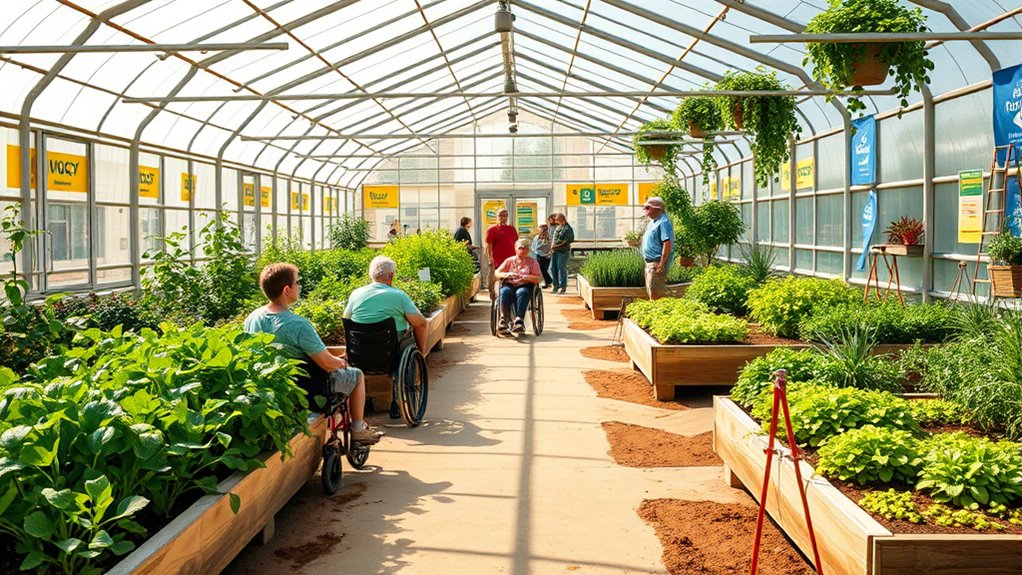
Accessible community greenhouses are transforming urban gardening by making it possible for everyone, regardless of physical ability, to grow their own food and connect with nature. When designing these spaces, you need to prioritize features that support inclusivity, comfort, and ease of use. One of the key considerations is guaranteeing proper climate control, which often involves integrating solar shading. Solar shading devices, like adjustable louvers or shade sails, help regulate sunlight and temperature inside the greenhouse. By controlling the amount of direct sunlight, these shades prevent overheating and protect delicate plants, creating a comfortable environment for all users. They also reduce glare, making it easier for individuals with visual impairments to maneuver and work safely within the space.
Another essential element is the irrigation system. An accessible greenhouse should have a thoughtfully designed irrigation setup that minimizes physical strain and maximizes efficiency. Automatic or semi-automatic irrigation systems, such as drip irrigation or soaker hoses, are ideal because they deliver water directly to plants without requiring manual watering. This helps users with limited mobility or strength, guaranteeing they can participate in gardening activities comfortably. Additionally, incorporating raised beds and container gardening options allows people to tend to plants at waist level or even from seated positions, reducing the need to bend or kneel. These features foster independence and make gardening activities more inclusive.
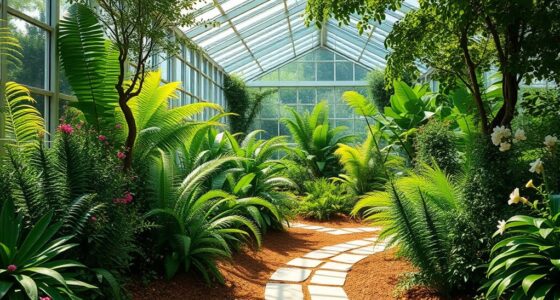
Proper layout and pathways are equally critical in designing an accessible greenhouse. Wide, smooth, and non-slip pathways enable wheelchair users and those with mobility aids to move freely and safely. Clear signage and tactile markers can assist individuals with visual impairments in maneuvering the space confidently. When it comes to planting areas, using adjustable workbenches and tools designed for ergonomic use helps accommodate different physical needs and height levels. This guarantees everyone can participate actively, whether planting, watering, or harvesting.
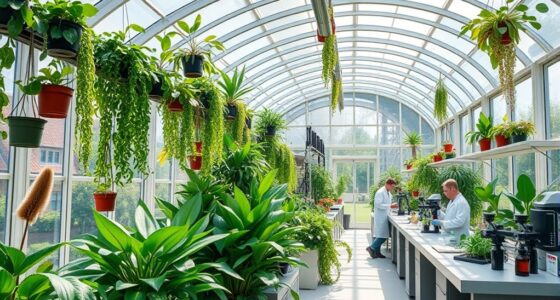
Lighting also plays a vital role. Adequate, evenly distributed lighting ensures visibility for all users, especially during early mornings or late afternoons. Incorporating natural light with the aid of skylights or transparent roofing panels reduces reliance on artificial lighting and creates a welcoming atmosphere. Combined with climate control measures like solar shading, it enhances the overall comfort and usability of the greenhouse.
accessible greenhouse pathways non-slip
As an affiliate, we earn on qualifying purchases.
As an affiliate, we earn on qualifying purchases.
Frequently Asked Questions
What Funding Options Are Available for Accessible Greenhouse Projects?
You can explore grant opportunities from government agencies, nonprofit organizations, and local foundations that support accessible green initiatives. Additionally, developing sponsorship strategies can help secure funding from local businesses or community partners interested in promoting accessibility. By actively applying for grants and reaching out to potential sponsors, you increase your chances of funding your accessible greenhouse project, ensuring it serves everyone effectively and sustainably.
How Can Community Members With Limited Mobility Participate Effectively?
Imagine a vibrant garden where every path is an inviting ribbon, guiding all to blossom. You can help community members with limited mobility participate by providing adaptive tools like raised beds and ergonomic tools. Build inclusive pathways that are smooth and wide, allowing wheelchairs and walkers to glide easily. Encourage collaboration and offer tailored tasks, so everyone can nurture growth and feel connected, transforming the greenhouse into a true community sanctuary.
What Maintenance Challenges Are Unique to Accessible Greenhouses?
You’ll face unique maintenance challenges like ensuring structural integrity while accommodating accessibility features. Regularly inspect ramps, doorways, and raised beds to prevent wear and damage that could compromise safety. Pest management becomes trickier, as accessible greenhouses may have more entry points and diverse plant zones. Keep pathways clear and seal any gaps to prevent pests. Consistent upkeep helps maintain safety, accessibility, and a healthy environment for everyone.
Are There Specific Safety Standards for Accessible Greenhouse Design?
Think of your greenhouse as a sturdy ship sailing safely through diverse waters. You must follow safety regulations and design guidelines to guarantee all hands can work comfortably. These standards specify accessible pathways, secure railings, and non-slip surfaces, creating a safe environment for everyone. By adhering to these specific safety standards, you assure your greenhouse remains a welcoming, secure haven where all community members can nurture growth without risk.
How to Train Volunteers on Accessible Gardening Techniques?
You should focus on effective volunteer training by demonstrating adaptive techniques tailored for accessibility. Use hands-on sessions to teach proper planting, watering, and harvesting methods that accommodate diverse abilities. Encourage questions and provide visual aids to reinforce learning. Pair experienced volunteers with newcomers for mentorship, and regularly update training materials to reflect new adaptive techniques. This approach guarantees your volunteers are confident and capable, fostering an inclusive, accessible greenhouse environment.
Conclusion
By designing accessible community greenhouses, you create spaces where everyone can connect with nature and grow their own food. It’s a powerful reminder that accessibility isn’t just about ease—it’s about inclusion, breaking barriers while fostering community. Just as a greenhouse offers shelter from harsh weather, your efforts shield marginalized voices from exclusion. In this way, accessibility becomes the foundation for a more vibrant, equitable community—proof that open doors transform lives and landscapes alike.
Flea & tick season Picks
flea and tick prevention
As an affiliate, we earn on qualifying purchases.