TL;DR

Get garden gear delivered free with Prime
- Fast, free delivery on millions of items
- Prime Video, Amazon Music and more included
- Member-only deals all year
An Amateur Gardening report outlines ways to add fragrance to gardens during winter, including planting sweet box and other scented shrubs in sheltered spots. It also recommends fragrant forced bulbs such as hyacinths and paperwhite narcissus for indoor scent; the advice is horticultural guidance, not a report of a new study or announcement.
Amateur Gardening has published advice on bringing more scent into gardens during winter, recommending fragrant shrubs such as sweet box and Daphne in sheltered, visible locations, alongside indoor bulbs including hyacinths and paperwhite narcissus. The guidance offers seasonal planting ideas for gardeners seeking fragrance when fewer plants are flowering outdoors.
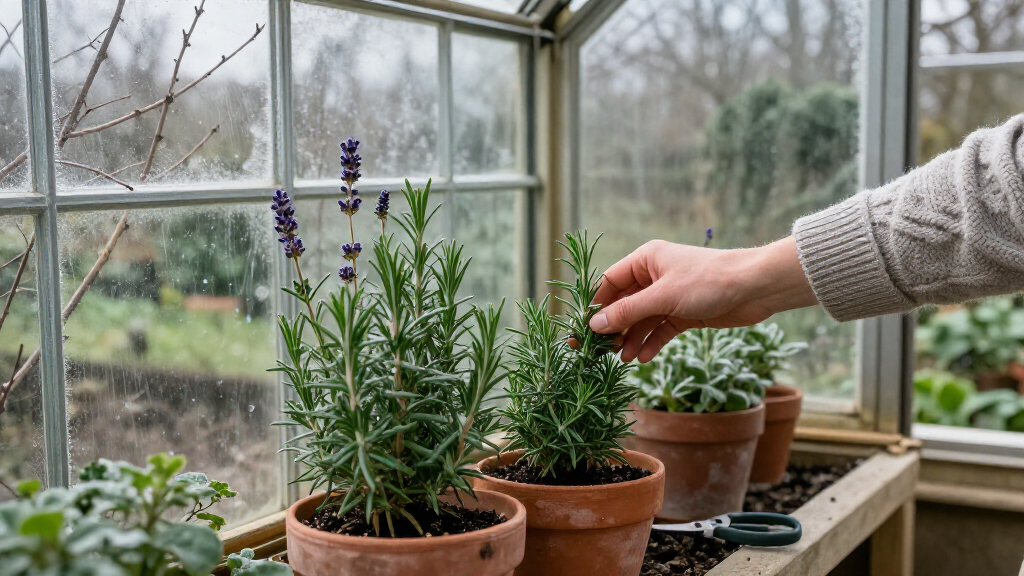
The report suggests shrubs including sweet box (Sarcococca confusa), Daphne species, witch hazel, Edgeworthia and Coronilla valentina subsp. glauca ‘Citrina’. It says autumn can be a suitable time to plant them because the soil is still warm and seasonal rain may have moistened it. The report advises placing scented plants somewhere sheltered, where wind is less likely to disperse their perfume, and where people can see and appreciate them.
Not all the plants have identical growing requirements. The report describes the shrubs as relatively easy to grow overall, while noting that Daphnes can be more particular about soil and temperature. It also recommends planting forced bulbs in the garden after their indoor display has finished, and identifies hyacinths and paperwhite narcissus as especially fragrant options for indoor scent.
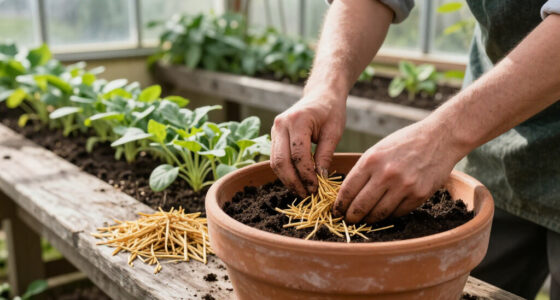
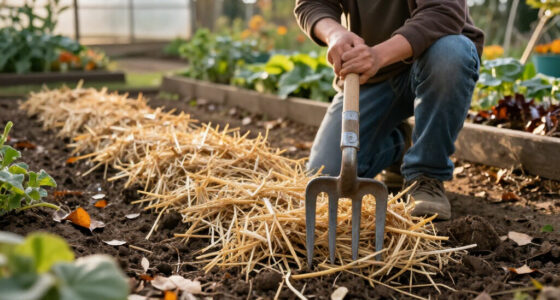
For planting a shrub, the article advises digging a hole to the depth of the plant’s container, or to the muddy tide mark on a bare-root plant. It recommends gently opening out the roots before planting, then watering thoroughly and applying a mulch of well-rotted compost or manure. The report says mulch can help retain soil moisture, suppress weeds and release nutrients gradually.
Fragrance Close to Winter Visitors
Winter gardens can offer less visible colour and fragrance than they do in warmer months. Plant choice and placement give gardeners practical ways to make scented flowers more noticeable without relying on a large planting area: a shrub near a doorway, for example, may be encountered by people arriving at the house. The report’s emphasis on shelter reflects a straightforward consideration: wind can carry fragrance away from where people are standing.
The recommendations also connect indoor and outdoor gardening. Forced bulbs can provide scent inside during winter, then be planted outdoors after flowering, according to the article. That gives gardeners a way to extend the use of seasonal bulbs, although the source does not provide detailed aftercare instructions or guarantee that every bulb will flower again.
Popular right now

Bose QuietComfort True Wireless Earbuds with Active Noise Cancellation, Black

Ninja CREAMi 7-in-1 Ice Cream Maker, NC301

Samsung 42-Inch S90H OLED 4K Smart TV Bundle
As an affiliate, we earn on qualifying purchases.
A Recovered Sweet Box
The report’s planting advice is framed by the writer’s experience with a sweet box in a pot by the front door. Its branches began to wither and lose leaves earlier in the year, prompting thoughts of replacing it. The writer says the plant recovered after being moved into a larger pot and later returned to its position outside the entrance.
That account is an individual gardening experience, not a controlled test of why the plant declined or how reliably repotting will help other sweet box plants. The article uses it to illustrate the value of keeping a fragrant winter plant, while its broader recommendations focus on choosing suitable shrubs, planting them correctly and positioning them where their scent can be enjoyed.
“Autumn is the perfect time to plant them as the soil is still warm and will hopefully have been dampened by seasonal showers.”
— Amateur Gardening report
Growing Conditions Vary by Plant
The source does not give a publication date, identify a particular region or climate, or provide measurements for how much fragrance gardeners can expect from the suggested plants. Local growing conditions may affect planting times and plant performance. The report specifically cautions that Daphnes have more particular soil and temperature requirements, but it does not give a full care guide for individual species or cultivars.
The article also does not establish that repotting caused the featured sweet box’s recovery; that is the writer’s account of one plant. Its guidance should be read as general gardening advice, with the right choices depending on local conditions and the needs of each plant.
Seasonal Planting and Follow-up
The report recommends planting suitable shrubs in autumn and placing them in sheltered positions, then using fragrant bulbs indoors during winter. Gardeners following the advice can check the growing requirements for their chosen varieties and monitor how they respond to local conditions. Forced bulbs can be planted in the garden after flowering, although the source does not set out a schedule for their subsequent care.
Amateur Gardening directs readers to its website for more gardening advice and articles. The supplied report describes recommendations and personal experience; it does not announce a trial, product launch or further research milestone.
Key Questions
Which shrubs does the report suggest for winter fragrance?
It names sweet box, Daphne species, witch hazel, Edgeworthia and Coronilla valentina subsp. glauca ‘Citrina’. The article notes that Daphnes can need more particular soil and temperature conditions.
Where should scented winter shrubs be planted?
The report recommends a sheltered spot where wind is less likely to disperse the perfume, and where people can see and enjoy the plant.
Which bulbs are recommended for indoor scent?
The article identifies hyacinths and paperwhite narcissus as especially fragrant forced bulbs. It says spent forced bulbs can be planted in the garden in spring.
How does the report advise planting a shrub?
Dig a hole to the depth of the container, or the tide mark on a bare-root plant, and gently open out the roots. After planting, water thoroughly and mulch with well-rotted compost or manure, following the plant’s specific requirements.
Source: amateurgardening.com