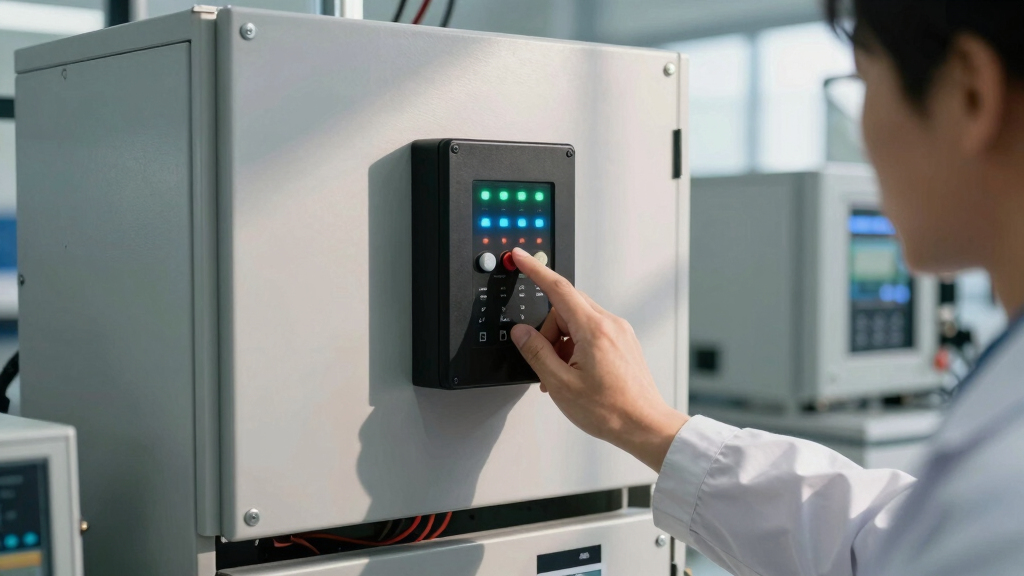

When selecting the best smart relay for backup circuit control, reliability and versatility are key. The Shelly 1 Gen4 stands out as the overall top pick due to its flexible connectivity options and ease of integration. For users needing high current capacity, the Ogemray Smart Relay Switch offers robust power metering and durability. The main tradeoffs involve balancing advanced features with ease of setup and compatibility. Continue reading for a detailed comparison that highlights these differences, helping you choose the ideal relay for your backup system.

Get garden gear delivered free with Prime
- Fast, free delivery on millions of items
- Prime Video, Amazon Music and more included
- Member-only deals all year
Complete the kit


Key Takeaways
- Connectivity options like Wi-Fi, Zigbee, and Matter influence ease of integration with existing smart home setups.
- Power capacity varies significantly; selecting a relay rated for your backup circuit’s load is crucial.
- Additional features such as energy monitoring and recloser functions add value but may complicate installation.
- Build quality and compatibility with voice assistants impact long-term reliability and convenience.
- Price often correlates with features; balancing cost and capability is essential for most buyers.


| smart relay for backup circuit control | Compatibility |
|---|---|
| Shelly 1 Gen4 Smart Wi-Fi | Amazon Alexa, Google Home, Home Assistant, Samsung SmartThings |
| Ogemray Smart Relay Switch | Supports MQTT, WebSocket, HTTPS, UDP, TLS, scripting |
| Shelly 2PM Gen4 Smart Relay Sw | Alexa, Google, SmartThings |
| DieseRC 2 Channels WiFi Smart | Alexa, Google Home |
| TONGOU DIY 1P+N Smart Wi-Fi Sw | — |
| TONGOU Smart WiFi Switch | — |
| SONOFF MINI-ZBD Zigbee 3.0 Dry | Zigbee hubs, Alexa, Google Home |
| Ewelink WiFi Wireless Smart Re | — |
| Aqara Dual Relay Module T2 | — |
More Details on Our Top Picks
Shelly 1 Gen4 Smart Wi-Fi, Zigbee & Matter Relay Switch with Dry Contacts
The Shelly 1 Gen4 stands out for its compatibility with multiple smart home protocols, including Wi-Fi, Zigbee, and Matter, making it a flexible choice for diverse backup circuit setups. Compared with the Ogemray Smart Relay Switch, it offers broader platform support and voice control options, though it lacks built-in power metering, which means less insight into energy use. Its compact size allows straightforward integration into standard electrical boxes, but the installation assumes some wiring knowledge and it cannot handle currents beyond 16A. The absence of a built-in battery backup limits its resilience during power outages. This pick makes the most sense for users seeking a highly adaptable relay capable of smart ecosystem integration without complex configurations, but it’s less suited for high-current or backup-specific needs.
Pros:- Supports multiple smart home protocols (Wi-Fi, Zigbee, Matter)
- Compact size fits into standard electrical boxes
- Enables remote control and automation
Cons:- Requires installation expertise and compatible wiring
- Limited to 16A current capacity
- No built-in battery backup for outages
Best for: Homeowners wanting a versatile, multi-protocol relay that integrates seamlessly into existing smart home systems.
Not ideal for: Users needing a relay with built-in backup power or controlling high-current appliances over 16A.
- Connectivity:Wi-Fi, Zigbee, Matter
- Channels:1
- Current:16A
- Dry Contacts:Yes
- Compatibility:Amazon Alexa, Google Home, Home Assistant, Samsung SmartThings
- VOLTAGE:12V and 24-48V DC
Our verdict“This is best suited for tech-savvy users prioritizing broad compatibility and automation over backup resilience.”
Ogemray Smart Relay Switch, 25A, Power Metering, Wi-Fi & Bluetooth, 6000W
The Ogemray Smart Relay Switch excels at controlling large appliances with its 25A / 6000W capacity and built-in power metering, making it ideal for industrial or high-power backup scenarios. Its support for both Wi-Fi and Bluetooth allows flexible connectivity without needing a hub, but this can introduce setup complexity for non-technical users compared to the more straightforward Shelly 2PM Gen4. The energy monitoring feature provides valuable insights for optimizing power use, which is essential during backup situations where efficiency matters. However, its advanced configuration options and potential setup hurdles mean it’s better suited for experienced users. If high current capacity and energy tracking are priorities, this model offers robust control, but it may overwhelm those seeking simple plug-and-play solutions.
Pros:- Supports high current up to 25A / 6000W
- Built-in power metering for energy tracking
- Wi-Fi and Bluetooth connectivity for flexible setup
- Overvoltage and overpower protection
Cons:- Requires technical setup and configuration
- Potentially complex for casual users
- Limited to controlling high-power appliances only
Best for: Professionals or power users managing large appliances or industrial equipment needing detailed energy data and high current capacity.
Not ideal for: Casual users or those unfamiliar with network configuration who need straightforward relay control without energy monitoring.
- Current:25A
- Power Capacity:6000W
- Connectivity:Wi-Fi & Bluetooth
- Protection:Overvoltage and overpower
- Compatibility:Supports MQTT, WebSocket, HTTPS, UDP, TLS, scripting
- Features:Power metering
Our verdict“This relay is best for experienced users requiring high capacity and energy monitoring for backup circuits.”
Shelly 2PM Gen4 Smart Relay Switch, WiFi, Zigbee & Matter, 2-Channel
The Shelly 2PM Gen4 offers two independent channels with power metering, making it ideal for backup circuits where separate control of lights, curtains, or appliances is needed. Its support for Wi-Fi, Zigbee, and Matter ensures broad compatibility, and no hub is required for basic operation. Compared to the DieseRC 2 Channels WiFi Smart Switch, it provides more advanced energy monitoring and integration options, although setup can be complex for users unfamiliar with multi-channel devices. Its independent control makes it a good fit for backup scenarios with multiple loads, but the need for a compatible smart ecosystem for full features might be a barrier for some. It’s a smart choice for those who want flexible, multi-circuit backup control with energy insights.
Pros:- Supports multiple platforms (Alexa, Google, SmartThings)
- Two independent channels with power metering
- No hub required for basic operation
- Supports multiple protocols (Wi-Fi, Zigbee, Matter)
Cons:- Setup can be complex for non-technical users
- Full functionality depends on a compatible smart home ecosystem
- Higher price point
Best for: Home automation enthusiasts controlling multiple backup loads or circuits independently with energy monitoring.
Not ideal for: Casual users or those with simple backup needs, as setup and ecosystem requirements can be complex.
- Connectivity:Wi-Fi, Zigbee, Matter
- Channels:2
- Max Current per Channel:16A
- Features:Power metering, bi-directional control
- Hub Required:No
- Compatibility:Alexa, Google, SmartThings
Our verdict“This device suits users needing independent, energy-aware control of multiple backup circuits with extensive platform support.”
DieseRC 2 Channels WiFi Smart Switch, DC 5V/12V/24V/36V Passive Output Relay Module, Compatible with Alexa/Google Home
The DieseRC 2 Channels WiFi Smart Switch provides a compact, cost-effective solution for controlling DC-powered devices with two relays and dry contacts. Its straightforward app control via eWelink and compatibility with Alexa and Google Home make it accessible for simple automation tasks, though it lacks advanced protections like overcurrent or leakage safeguards. Compared with the TONGOU DIY Wi-Fi Switch, it offers a more compact form factor but fewer safety features, which could be a concern for backup circuits in critical applications. Its passive output relays are suitable for low-voltage, low-current setups, but the limited protection features mean it’s less ideal for high-reliability backup scenarios. This makes it a good budget option for non-critical DC automation or hobby projects.
Pros:- Affordable, compact dual relay module
- Compatible with Alexa and Google Home
- Easy to install and control via app
- Supports scheduling and sharing control
Cons:- Limited to low-voltage DC applications
- No overcurrent or leakage protection
- Passive relays may have slower switching
Best for: Budget-conscious DIYers controlling low-voltage devices or small backup circuits in non-critical environments.
Not ideal for: Users needing high-current or highly protected backup circuits, as it lacks overcurrent and leakage safeguards.
- Voltage:DC 5V/12V/24V/36V
- Relay current:10A
- Size:60*32*17 mm
- Operating frequency:2.4GHz WiFi
- Relay type:Passive output
- Compatibility:Alexa, Google Home
Our verdict“This relay fits basic DC automation needs at a low cost but isn’t suitable for critical backup applications requiring safety features.”
TONGOU DIY 1P+N Smart Wi-Fi Switch with Energy Monitor, Alexa & Google Assistant Compatible, 40A, DIN Rail Mounted
The TONGOU DIY 1P+N Smart Wi-Fi Switch offers a high current rating of 40A, making it suitable for controlling larger appliances or multiple backup circuits in industrial or commercial settings. Its DIN rail mounting simplifies integration into electrical panels, and the inclusion of energy monitoring adds value for managing backup power loads. Compared with the Shelly 1 Gen4, it provides significantly higher current capacity, but it lacks overcurrent or leakage protections, which could limit its reliability during critical backup situations. Its high power rating makes it ideal for backup circuits where heavy loads must be switched reliably, though the absence of advanced safety features raises concerns for sensitive or safety-critical applications. This model is best for professionals setting up high-capacity backup systems in electrical panels.
Pros:- High current capacity up to 40A
- DIN rail mounted for easy panel integration
- Includes energy monitoring features
- Supports remote control via Wi-Fi and voice commands
Cons:- Lacks overcurrent and leakage protections
- Requires professional installation in electrical panels
- No built-in safety redundancies
Best for: Electrical contractors or industrial users needing a durable, high-current relay with energy monitoring for backup circuits.
Not ideal for: Home users with simple backup needs or those seeking integrated safety protections and plug-and-play solutions.
- Rated Operating Voltage:AC 90-240V, 50/60Hz
- Max Wiring Capacity:10 mm²
- Poles Description:1P+N
- Standard:IEC 60947
- Protection:No overcurrent or leakage
- Energy Monitoring:Yes
Our verdict“This relay is ideal for high-capacity backup installations managed by professionals but not for casual or safety-critical home use.”
TONGOU Smart WiFi Switch, 1P+N AC90-240V 1-50A, App Remote Control, Power Monitoring, LCD Display, Recloser Function, FCC Certified
The TONGOU Smart WiFi Switch stands out for its comprehensive safety protections and flexible remote control options, making it an excellent choice for backup circuit control where reliability and real-time monitoring matter. Compared to the Aqara Dual Relay Module T2, it offers more user-friendly app control and voice integration, but lacks the advanced energy management and ecosystem flexibility. Its robust over-current, overvoltage, and undervoltage protections reduce risk during power fluctuations, though it does not feature short circuit protection, which might be a concern in critical backup scenarios. The LCD display and local control buttons add convenience for manual operation, especially when network connectivity is compromised. This pick makes the most sense for homeowners seeking a dependable, easy-to-integrate backup relay with safety features and remote visibility.
Pros:- Remote control via app and voice commands for convenience
- Real-time power monitoring and data export capability
- Multiple safety protections including over-current and overvoltage
Cons:- No short circuit protection, which could be a safety gap
- Requires a circuit breaker for optimal safety and operation
- Overcurrent protection may limit reclosure attempts if faults persist
Best for: Homeowners or small businesses needing reliable backup circuit control with real-time power monitoring and safety protections
Not ideal for: Users requiring high-current handling beyond 50A or advanced automation ecosystem integration, as it mainly supports resistive loads and basic safety features
- Voltage:AC90-240V
- Current:1-50A
- Poles:1P+N
- Wiring Capacity:10 mm²
- Protection Features:Over-current, overvoltage, undervoltage, overpower protection
- Display:Color backlit LCD
Our verdict“This relay is ideal for users who prioritize safety, remote control, and monitoring in backup circuits without extensive automation needs.”
SONOFF MINI-ZBD Zigbee 3.0 Dry Contact Relay, AC/DC Input, Compatible with Zigbee Hubs, Alexa & Google Home
The SONOFF MINI-ZBD excels in Zigbee-based backup control projects, especially for those comfortable with DIY setups. Its support for AC/DC input voltages and compatibility with popular hubs like Zigbee makes it a flexible option compared to the Aqara Dual Relay Module T2, which requires a Zigbee hub and a neutral line. While it’s limited to 8W of power, this is sufficient for low-power motors and control devices, making it suitable for garage doors or access controls. Its mesh network capability enhances reliability, but setup complexity may challenge beginners. Compared with WiFi-only options like the Ewelink WiFi Module, this relay offers more stable local control within a Zigbee environment, though it demands more technical knowledge. It’s best for users who want a reliable, expandable Zigbee relay in their backup circuits.
Pros:- Supports wide voltage input for flexible installation
- Works seamlessly with Zigbee hubs, Alexa, and Google Home
- Enables reliable mesh network for enhanced stability
Cons:- Limited to low-power applications (8W max)
- Requires a Zigbee hub for operation, adding setup complexity
- Setup may be challenging for users unfamiliar with Zigbee networks
Best for: DIY enthusiasts or professionals integrating Zigbee smart relays into backup systems within Zigbee-compatible smart homes
Not ideal for: Those seeking simple plug-and-play solutions or high-power device control, as it’s limited to low-power applications and requires Zigbee hubs
- Voltage Input:110–240V AC or 12–48V DC
- Output Mode:NO/NC
- Max Power:8W
- Compatibility:Zigbee hubs, Alexa, Google Home
Our verdict“This relay is suited for users comfortable with Zigbee ecosystems seeking a reliable, low-power backup control solution.”
Ewelink WiFi Wireless Smart Relay Module USB 5V/12V/24V/48V Inching Self-Lock Remote ON/OFF Power Switch for Access Control, Compatible with Alexa and Google Home
The Ewelink WiFi Smart Relay offers versatile control modes and easy setup for backup circuits involving low voltage devices. Its support for multiple input voltages (5V to 48V) and simple remote operation via the eWeLink app makes it accessible for DIY projects or small backup systems. Compared with the SONOFF MINI-ZBD, which is limited to 8W, this relay supports a broader voltage range but is restricted to low-power applications. The inching and self-locking modes add functional flexibility, especially for access control or temporary operation scenarios. However, its reliance on 2.4G WiFi and lack of 5G support could limit network stability in some environments. This relay makes the most sense for low-voltage backup circuits where ease of installation and remote control are priorities.
Pros:- Supports multiple low voltage inputs for diverse applications
- Flexible working modes including inching and self-locking
- Simple setup with app and voice control
Cons:- Limited to 2.4G WiFi, no 5G support for faster, more stable connections
- Restricted to low voltage and low current applications
- Requires app configuration, which may be complex for some users
Best for: Homeowners or small business operators managing low-voltage backup systems needing flexible control modes
Not ideal for: High-power or industrial backup circuits, as it is limited to low voltage inputs and lower current loads
- Input Voltage:5V/12V/24V/48V
- Output:Dry contact relay/passive
- Working Modes:Self-locking, inching
- WiFi Compatibility:2.4G only
Our verdict“This relay suits users seeking a low-voltage, flexible backup control device with remote and voice operation capabilities.”
Aqara Dual Relay Module T2, Requires a Neutral Line and Aqara Zigbee 3.0 Hub
The Aqara Dual Relay Module T2 offers extensive ecosystem compatibility, making it a strong choice for integrated backup circuits. Supporting Matter, Apple HomeKit, Alexa, and Google Home, it surpasses many competitors like the TONGOU Smart Switch in ecosystem versatility, especially for users already invested in Apple or Zigbee environments. Its energy monitoring and power-off memory features add valuable functionality for backup applications. However, its need for a neutral line and Zigbee hub could limit installation flexibility, especially in older wiring setups. With a 8A current rating, it handles typical household loads but might not suit high-power backup circuits. This module is ideal for users seeking a multi-platform compatible relay with monitoring features for backup systems.
Pros:- Supports multiple smart home ecosystems including Matter and Apple HomeKit
- Energy monitoring and power-off memory for efficiency
- Flexible installation options with DIN rail mounting
Cons:- Requires a neutral line and Zigbee hub, which could complicate installation
- Limited to 8A current, not suitable for high-power backup loads
- Basic control functions without advanced automation features
Best for: Users with existing Zigbee or Apple HomeKit setups needing energy monitoring and multi-ecosystem support for backup circuits
Not ideal for: Those without a neutral line or not using Zigbee-compatible hubs, as it requires specific wiring and ecosystem compatibility
- Operation Mode:Automatic
- Current Rating:8 A
- Operating Voltage:240 volts
- Contact Type:Dry
- Control Method:Remote, Voice
- Connectivity Protocol:ZigBee
Our verdict“This relay is well-suited for tech-savvy users integrating backup circuits into multi-platform smart home systems with energy monitoring needs.”

How We Picked
To determine the best smart relays for backup circuit control, I evaluated each product based on performance, ease of installation, build quality, compatibility, and feature set. Reliability in switching and responsiveness was critical, especially for backup scenarios. I also considered user feedback regarding setup complexity and long-term durability. The ranking reflects a combination of these factors, prioritizing versatile connectivity, robust power handling, and overall value for different user needs.| smart relay for backup circuit control | Compatibility |
|---|---|
| Shelly 1 Gen4 Smart Wi-Fi | Amazon Alexa, Google Home, Home Assistant, Samsung SmartThings |
| Ogemray Smart Relay Switch | Supports MQTT, WebSocket, HTTPS, UDP, TLS, scripting |
| Shelly 2PM Gen4 Smart Relay Sw | Alexa, Google, SmartThings |
| DieseRC 2 Channels WiFi Smart | Alexa, Google Home |
| TONGOU DIY 1P+N Smart Wi-Fi Sw | — |
| TONGOU Smart WiFi Switch | — |
| SONOFF MINI-ZBD Zigbee 3.0 Dry | Zigbee hubs, Alexa, Google Home |
| Ewelink WiFi Wireless Smart Re | — |
| Aqara Dual Relay Module T2 | — |
Factors to Consider When Choosing Best Smart Relay For Backup Circuit Control
Choosing the right smart relay for backup circuit control involves more than just specs. You need to consider compatibility with your existing smart home ecosystem, including protocols like Wi-Fi, Zigbee, or Matter. Power capacity is another key factor—ensuring the relay can handle your backup circuit’s load prevents failures. Ease of installation varies; some relays require professional wiring, while others are DIY-friendly. Additional features such as energy metering or recloser functions can add value but often come at a higher cost. Balancing these factors with your specific needs will help you pick the most suitable relay.Connectivity Compatibility
Different relays support various protocols like Wi-Fi, Zigbee, or proprietary standards. Consider what your existing smart home setup uses to avoid integration headaches. For example, Zigbee-based relays work well if you already have a Zigbee hub, while Wi-Fi models offer direct control without extra hubs. Compatibility also affects future expandability, so choosing a relay that supports multiple protocols can save headaches down the line.
Power Handling Capacity
Assess the maximum load your backup circuit might draw and select a relay rated accordingly. Underrating can lead to overheating or failure, while overspending on high-capacity units might be unnecessary for smaller circuits. For high-current backup systems, look for relays rated above your maximum load, and always check if they support the type of load—inductive or resistive—that your system requires.
Ease of Installation
Some relays are straightforward to wire and configure, suitable for DIY installation, while others may require professional help. Features like plug-and-play design, clear wiring diagrams, and compatibility with common electrical standards simplify setup. Consider your comfort level and whether the relay’s installation process is compatible with your existing infrastructure to avoid future troubleshooting.
Additional Features
Extra capabilities like energy monitoring, recloser functions, or remote firmware updates can enhance your backup system’s performance. However, these features often come with increased complexity and cost. Decide if these extras align with your needs—if you only require basic switching, a simpler relay may be more reliable and easier to maintain.
Price and Value
While higher-priced relays tend to offer more features and better build quality, they aren’t always necessary for every application. Focus on what features are essential for your backup circuit, and select a relay that balances cost with durability and functionality. Remember, investing in a slightly more expensive, reliable unit can pay off in long-term dependability and fewer maintenance issues.
Frequently Asked Questions
Can I use a regular smart relay for backup circuits?
Using a regular smart relay for backup circuits depends on its power capacity and reliability under load conditions. Many standard relays are designed for general automation and may not support the continuous or high-current demands of backup power systems. It’s crucial to verify that the relay’s specifications match your backup circuit’s load requirements, especially for critical systems where failure isn’t an option. For backup circuits, selecting a relay rated for the appropriate current and voltage ensures safety and reliability.
Do I need a smart relay with energy monitoring for backup control?
Energy monitoring isn’t strictly necessary for backup circuit control but can provide useful insights into power usage and system health. If your backup system involves critical loads or you want to track power consumption for efficiency, relays with integrated energy metering add value. However, they often come at a higher cost and complexity, so consider whether this feature aligns with your overall system goals. For basic backup switching, a simple, reliable relay may suffice.
Is Zigbee or Wi-Fi better for backup relays?
Both Zigbee and Wi-Fi have their merits. Zigbee relays typically offer more stable connections and lower latency, which can be vital for backup systems that require quick switching. They also tend to consume less power and integrate well with mesh networks for better coverage. Wi-Fi relays are easier to set up, especially if you already have a Wi-Fi network, but they might be more susceptible to network congestion or interference. Your choice should depend on your existing smart home infrastructure and reliability needs.
How important is a relay’s recloser function in backup circuits?
A recloser function allows a relay to automatically attempt to restore power after a fault or interruption, which can improve system resilience. For backup circuits that need high availability, this feature can reduce manual intervention and ensure continuous operation. However, it adds complexity and potential points of failure. If your backup system prioritizes simplicity and reliability over automatic recovery, a relay without recloser functionality may be preferable.
Should I choose a relay with a neutral requirement?
Many relays require a neutral line for proper operation, especially in AC circuits. If your setup lacks a neutral wire, you’ll need to find a relay designed for live-only operation or consider rewiring. Choosing a relay that supports your wiring configuration helps avoid installation complications and ensures safe operation. Always verify your circuit’s wiring before selecting a relay to prevent compatibility issues.
Conclusion
For most users seeking a reliable, versatile solution, the Shelly 1 Gen4 offers a perfect balance of compatibility, ease of use, and performance, making it ideal for general backup circuit control. Those with high current loads or advanced monitoring needs might prefer the Ogemray Smart Relay Switch or TONGOU DIN Rail Models, which provide higher power capacity and additional features. Beginners should focus on straightforward, easy-to-install relays like the Shelly 1 Gen4, while professionals or advanced users might opt for models with more comprehensive integration options. Ultimately, your choice depends on your specific backup system’s complexity, load, and smart home ecosystem.Fall yard work Picks
leaf blowers
As an affiliate, we earn on qualifying purchases.