
Searching for solar panels with integrated power banks? The best picks combine portability, charging capacity, and durability, but tradeoffs include size, weight, and output speeds. The Jackery Solar Generator 1000 v2 stands out for its high capacity and fast charging, making it ideal for serious off-grid use. The Solar Power Bank 20000mAh with 4 Panels offers compact convenience for quick outdoor charges, though its capacity is lower. Meanwhile, the Anker SOLIX C300 blends high power output with portability for tech-heavy camping. Keep reading to see how these and others compare, and find the best fit for your needs.
Complete the kit


Key Takeaways
- Top-performing units balance high capacity with portability, but larger capacity often means more weight.
- Foldable solar panels tend to be more convenient for travel, yet may charge slower than fixed panels.
- Power banks with multiple output options are versatile but may have limited capacity for long-term use.
- Higher wattage panels deliver faster charging but tend to be bulkier and more expensive.
- Choosing the right product depends on your specific use case—camping, emergency prep, or off-grid living.


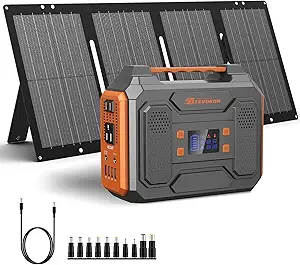


| solar panels with power bank | Battery Capacity |
|---|---|
| Jackery Solar Generator 300 wi | 292Wh |
| Portable Solar Generator 300W | 296Wh |
| Jackery Solar Generator 1000 v | 1070Wh |
| Portable Solar Generator 300W | 220Wh |
| Solar Power Bank 20000mAh with | — |
| 200W Solar Powered Generator w | 146Wh |
| Portable Solar Generator 300W | 280Wh |
| Solar Powered Generator with 4 | — |
| Anker SOLIX C300 Portable Powe | 288Wh |
| Anker SOLIX C200 Portable Powe | 192Wh |
| Solar Powered Generator 200W P | — |
More Details on Our Top Picks
Jackery Solar Generator 300 with 40W Solar Panel, 292Wh Portable Power Station for Camping and Outdoors
The Jackery Solar Generator 300 stands out for its impressive combination of portability, battery longevity, and versatile outputs, making it ideal for outdoor enthusiasts who need reliable power on the move. Compared to the Portable Solar Generator 300W with Foldable 60W Solar Panel, it offers a higher-quality LiFePO4 battery with over 4,000 charge cycles, translating into a longer lifespan. Its multiple outlet options, including USB-C PD and AC, provide flexibility for different devices. However, it requires an additional purchase of solar panels, which adds to the overall cost, and its 292Wh capacity limits its use to smaller devices or shorter trips. This pick makes the most sense for users seeking durable, off-grid power that can handle frequent recharges and a variety of gadgets without sacrificing portability.
Pros:- Lightweight and highly portable at just 7.5 lbs
- Long-lasting LiFePO4 battery with over 4,000 charge cycles
- Multiple versatile charging outlets including USB-C PD
Cons:- Requires separate purchase of solar panels for solar charging
- Limited capacity of 292Wh restricts use to small devices
Best for: Outdoor adventurers and campers who prioritize durability and long-term battery health
Not ideal for: Extended power needs for large appliances or long-term off-grid living, due to its limited capacity
- Weight:7.5 lbs
- Battery Capacity:292Wh
- Output Power:300W (600W peak)
- Charging Time (solar):80% in 2.8 hours with 100W panel; 80% in 7.5 hours with 40W panel
- Number of Outlets:2 AC, 1 USB-C PD, 2 USB-A, 1 car port
- Battery Chemistry:LiFePO4
- Charge Cycles:Over 4,000
Our verdict“This is an excellent choice for users needing a reliable, durable, and portable power station for outdoor use, willing to invest in separate solar panels.”
Portable Solar Generator 300W with Foldable 60W Solar Panel, 296Wh Lithium Battery Pack for Home, RV, Camping
The Portable Solar Generator 300W with Foldable 60W Solar Panel emphasizes portability and ease of use, making it ideal for quick outdoor setups or emergency situations. Its lightweight design at just 6.5 pounds and foldable solar panel set it apart from bulkier options like the Jackery 300. The 296Wh battery offers enough juice for small devices, and its multiple output ports—including USB-C—support diverse gadgets. Unlike larger units, it’s limited to 300W, so it can’t run high-power appliances, and the solar panel isn’t included, adding extra cost. The 3-hour charge time suits short trips, but extended use may require frequent recharges. This model suits users who value portability and straightforward recharging methods, especially for shorter outings or emergency kits.
Pros:- Very lightweight at only 6.5 lbs for easy carrying
- Foldable 60W solar panel enhances portability
- Multiple output ports support several devices simultaneously
Cons:- Solar panel sold separately, increasing total cost
- Limited to 300W, unsuitable for high-power appliances
Best for: Hikers, emergency prepper kits, and quick outdoor trips requiring lightweight, portable power
Not ideal for: Extended power needs or running high-wattage appliances, due to its 300W limit
- Battery Capacity:296Wh
- Maximum Power Output:300W
- AC Outlets:2 (Pure Sine Wave, 110V)
- DC Outputs:12V/24V (2 ports)
- USB Ports:USB-A (2), USB-C (1)
- Solar Panel Power:60W
- Weight:6.5 pounds
Our verdict“Best suited for users seeking a compact, portable power solution for short outings and emergencies, with an emphasis on ease of transport.”
Jackery Solar Generator 1000 v2 with 200W Solar Panel, 1070Wh Portable Power Station with LiFePO4 Battery, 1500W AC/100W USB-C Output, Fast 1-Hour Charging for Outdoor, Off-Grid Living, RV, Emergency
The Jackery Solar Generator 1000 v2 excels in delivering substantial power and extended runtime, making it suitable for larger appliances and off-grid living. Its 1070Wh LiFePO4 battery surpasses most in capacity, and the 1500W AC output can power multiple high-wattage devices simultaneously. It supports quick charging from 0% to full in just one hour, a huge advantage over smaller units. The need for a separate 200W solar panel and the 2-hour runtime at full load are tradeoffs; it’s heavier at nearly 24 pounds, which may limit portability. Compared to the Jackery Solar Generator 300, this model is better suited to users with more demanding power needs, but it demands more space and setup time.
Pros:- Massive 1070Wh capacity supports multiple devices for extended periods
- Fast 1-hour charging from zero to full
- High 1500W AC power output supports high-wattage appliances
Cons:- Requires purchasing the separate 200W solar panel
- Limited 2-hour runtime at full load reduces continuous usage without recharging
Best for: Campers and off-grid users who need substantial power and quick recharges for multiple devices
Not ideal for: Lightweight travelers or those needing a compact power solution, due to its size and weight
- Wattage:1500W
- Battery Capacity:1070Wh
- Output Wattage:1500W
- Charge Time:1 hour
- Total Power Outlets:3
- Material Type:Monocrystalline Silicon
Our verdict“Ideal for users who need high capacity and fast recharging for extended outdoor or emergency use, accepting some added bulk and setup complexity.”
Portable Solar Generator 300W with 40W Solar Panel, 220Wh Lithium Battery Power Station
The Portable Solar Generator 300W with 40W Solar Panel delivers essential power in a compact form, making it suitable for casual camping or emergency backup. Its 220Wh battery is smaller than larger units like the Jackery 300, but it’s enough to run small devices for a short period. The inclusion of a 40W solar panel allows for renewable recharging, though the 2-hour runtime at full load is a notable limitation. Its simple digital display and automatic voltage regulation improve usability for basic needs. Compared to more expensive models, it offers affordability but sacrifices longer operation and higher power capacity. It’s best for users who need a lightweight, low-cost backup that can recharge via solar for short trips or emergencies.
Pros:- Very light at only 5 lbs, easy to carry
- Includes a 40W solar panel for renewable energy
- Supports multiple devices with various ports
Cons:- Limited runtime of around 2 hours at full load
- Maximum power of 300W restricts high-power appliances
Best for: Casual campers, emergency kits, and light outdoor users on a budget
Not ideal for: Powering high-wattage devices or extended use, due to limited capacity and output
- Wattage:300W
- Battery Capacity:220Wh
- Additional Features:Digital display, automatic voltage regulation
- Color:Black
- Warranty & Support:12 months
Our verdict“Best suited for casual outdoor users who need a lightweight, affordable backup power solution with solar recharge capability.”
Solar Power Bank 20000mAh with 4 Panels, Portable Solar Charger with Built-in Cables, Flashlight & Camping Light
The Solar Power Bank 20000mAh with 4 Panels offers an impressive capacity and multiple solar panels, making it a versatile choice for extended outdoor use. Its weatherproof design and built-in cables streamline recharging and device charging in remote settings. While the massive 20000mAh battery can support several devices, the solar charging process is relatively slow compared to USB input, and the flashlight and camping light cannot operate simultaneously. Compared with smaller, dedicated power stations like the Jackery 300, this power bank excels in durability and outdoor resilience but lacks the high power output needed for larger appliances. This product is best for campers, hikers, or emergency responders needing a robust, weatherproof backup for multiple devices over long periods.
Pros:- Huge 20000mAh capacity supports multiple devices for days
- Four solar panels enable outdoor recharging
- Weatherproof, shockproof, and rugged design
Cons:- Charging via solar panels is slow compared to USB charging
- Flashlight and camping light cannot run simultaneously
Best for: Outdoor enthusiasts requiring a durable, weatherproof power source for multiple devices and long trips
Not ideal for: High-wattage device operation or quick recharges, due to slow solar charging and limited power output
- Capacity:20000mAh
- Solar Panels:4 high-efficiency panels
- Input/Output Ports:Type-C, USB-A, Lightning
- Lighting Modes:Steady, SOS, Strobe
- Weatherproof Rating:IP67
- Warranty:36 months
Our verdict“Ideal for outdoor adventurers and emergency preparedness, who need a durable, high-capacity power bank with solar recharging, accepting slower solar charging rates.”
200W Solar Powered Generator with 40W Solar Panel, Portable Power Station with 146Wh Capacity
This lightweight generator combines portability with flexible recharging options, including a 40W solar panel, making it ideal for short outdoor trips or emergency backup. Compared to larger units like the Anker SOLIX C300, it offers less capacity and power, but its smaller size makes it easier to carry and store. The 146Wh battery can charge phones, tablets, and small devices multiple times, yet struggles with high-power appliances or prolonged use. The included solar panel, while convenient, demands a lot of sunlight to recharge efficiently, especially given its modest 40W output. Its pure sine wave inverter ensures clean power for sensitive electronics, but limited wattage means heavier devices are out of reach. Overall, this pick fits those needing a lightweight, simple solution for light device charging during outdoor adventures.
Pros:- Very lightweight and compact for easy carrying
- Multiple recharging options including solar, wall, and car
- Safe for sensitive electronics with pure sine wave inverter
Cons:- Limited to 200W output, not suitable for larger appliances
- Battery capacity may require frequent recharging for extended use
- Small solar panel requires strong sunlight for efficient recharge
Best for: Campers and hikers needing a small, portable backup for phones and small gadgets
Not ideal for: Users seeking to power high-wattage devices or run long-term off-grid systems
- Battery Capacity:146Wh
- Battery Type:Lithium Ion
- Output Wattage:200W
- Number of Outlets:7
- AC Outlets:2 (110V Pure Sine Wave)
- Charging Time:5-6 hours
Our verdict“Ideal for outdoor enthusiasts who need a lightweight, simple power solution for small devices, but not for high-power or long-term needs.”
Portable Solar Generator 300W with 60W Foldable Solar Panel and Multiple Outlets
This generator offers a good balance of capacity and flexibility, with a 280Wh battery and a 60W foldable solar panel that can be easily transported. Compared to the 200W Solar Powered Generator, it provides higher power output and a larger solar array, making it more suitable for charging multiple devices or slightly more demanding equipment. Its multiple outlets—including AC, USB, and DC—expand its use cases beyond simple device charging, while safety features and an SOS flashlight enhance outdoor safety. However, its performance depends heavily on sunlight; if left uncharged, battery drain limits usability. The foldable panel is convenient, but it’s not waterproof, so outdoor conditions matter. This model is best for those who want a portable yet more capable solar generator for outdoor adventures or emergency preparedness.
Pros:- Foldable 60W solar panel for convenient off-grid charging
- Multiple outlets support a variety of devices
- Built-in safety protections and SOS flashlight for outdoor safety
Cons:- Performance declines if not regularly charged by sunlight
- Not waterproof—keep the junction box dry
- Over 300W devices could damage the generator
Best for: Hikers, campers, and outdoor enthusiasts needing a more capable portable power source
Not ideal for: People relying on continuous high-wattage power or expecting rainy weather, as performance drops without sunlight
- Power Output:300W
- Battery Capacity:280Wh
- Solar Panel:60W foldable monocrystalline
- Outlets:2 AC, 1 DC, 4 USB
- Protection Features:Short circuit, over-current, over-voltage
- Conversion Efficiency:20.5%
Our verdict“A solid choice for outdoor users who need a portable power station with higher capacity and solar flexibility, but with weather-dependent performance.”
Solar Powered Generator with 40W Solar Panels – 100W Portable Power Station, 146Wh, with AC, USB, DC Outputs for Camping and Emergency
This compact power station with 146Wh capacity and 40W solar panels makes a practical backup for short trips or power outages. It’s similar in capacity to the 200W Solar Powered Generator, but with slightly fewer outlets and a smaller solar array, meaning it recharges more slowly and supports only basic device needs. Its lightweight design at just over 3 pounds and built-in LED flashlight make it particularly appealing for quick outdoor use. However, the limited 100W surge capacity restricts running high-power devices, and the solar panel’s modest 40W output demands ample sunlight for faster recharging. It’s a solid choice for casual campers and emergency kits, but not suitable for powering larger appliances or extended use without regular sunlight.
Pros:- Very lightweight and portable for easy carrying
- Multiple output options including AC, USB, and DC
- Includes solar panels and LED flashlight for outdoor readiness
Cons:- Limited to 100W (200W peak), restricting high-power device use
- Charging time heavily depends on sunlight availability
- Capacity may be insufficient for long-term needs
Best for: Casual campers and emergency kit owners needing a lightweight, low-capacity power source
Not ideal for: Users needing to run high-power devices or expecting frequent power outages requiring longer energy supply
- Capacity:146Wh
- Weight:3.3 lbs
- Solar Panel Power:40W
- Outputs:2 AC, 2 USB, 1 DC
- Battery Type:Lithium-ion
- High Conversion Efficiency:20.5%
Our verdict“A convenient and lightweight power backup for casual outdoor use, but limited in capacity and power for demanding applications.”
Anker SOLIX C300 Portable Power Station with 60W Solar Panel, 288Wh, 300W (Peak 600W)
The Anker SOLIX C300 delivers a notably larger capacity with 288Wh and a peak power of 600W, suitable for powering multiple devices or small appliances simultaneously. Compared to the 200W Solar Powered Generator, it offers significantly more energy and versatility, thanks to its LiFePO4 battery and fast recharging capabilities. The 60W solar panel, while sold separately, complements its high capacity, allowing for sustainable recharging. Its multiple ports—including USB-C and AC outlets—provide flexible device compatibility. However, the higher power and capacity come with added weight and cost, and the solar panel may not be compatible with all USB-C panels like the Anker SOLIX PS30. This model appeals to users seeking extended off-grid power for longer trips or small appliances, but it’s not meant for ultra-lightweight portability.
Pros:- Large 288Wh capacity with LiFePO4 battery for durability
- Fast recharging via wall or solar panel
- Multiple ports including USB-C and AC support diverse devices
Cons:- Not compatible with certain USB-C panels like the Anker SOLIX PS30
- Heavier and bulkier than smaller alternatives
- Solar panel sold separately adds to overall cost
Best for: Outdoor enthusiasts needing substantial power to run multiple devices or small appliances for extended periods
Not ideal for: Lightweight backpackers or those with limited space who only need basic device charging
- Battery Capacity:288Wh
- Peak Power:600W
- Continuous Power:300W
- Solar Panel Power:60W
- Charging Ports:3× AC, 1× car, 2× USB-C, 1× USB-A
- Battery Type:LiFePO4
Our verdict“A robust, high-capacity power station ideal for extended outdoor use, but less suited for ultralight travel or quick trips.”
Anker SOLIX C200 Portable Power Station with 60W Solar Panel
The Anker SOLIX C200 offers a practical 192Wh capacity with a 60W solar panel, allowing for quick recharging and multiple device support. Its rechargeable LiFePO4 battery promises longevity with over 3,000 cycles, making it suitable for frequent outdoor use. Compared to the smaller 200W Solar Powered Generator, it provides a higher capacity and more ports, including USB-C and USB-A. Its rapid recharge feature—up to 80% in 1.3 hours—fits well with busy outdoor schedules. On the downside, it’s not compatible with certain USB-C panels like the Anker SOLIX PS30, and its power output of 200W limits its ability to run high-wattage appliances. This model makes sense for users who want a reliable, fast-charging portable power station for moderate energy needs, balancing capacity and portability.
Pros:- High-capacity 192Wh LiFePO4 battery with long lifespan
- Fast recharge to 80% in just over an hour
- Multiple ports support various device types
Cons:- Not compatible with some USB-C panels like the Anker SOLIX PS30
- Limited to 200W, restricting high-power device use
- Requires separate purchase of strap for portability
Best for: Campers and travelers needing a reliable, fast-recharging portable power station for multiple devices
Not ideal for: Those requiring high-wattage power for appliances or expecting to power large equipment
- Battery Capacity:192Wh
- Fast Charging:80% in 1.3 hours
- Number of Ports:7
- Battery Type:LiFePO4
- Recharge Options:Solar, Car, AC
- Voltage:230V
Our verdict“A balanced, fast-recharging power station ideal for moderate outdoor power needs, with some limitations on high-wattage devices.”
Solar Powered Generator 200W Peak/100W Rated with 40W Solar Panels, 146Wh Portable Power Station for Camping and Home Use
This solar generator stands out for its ultra-lightweight design, weighing only 3.3 pounds, making it highly portable for solo campers or emergency kits. Compared with larger options like the Jackery Solar Generator 300, this unit sacrifices some capacity and continuous power for extreme portability. Its 146Wh capacity and 100W rated power are sufficient for charging phones, tablets, and small devices, but not ideal for longer power outages or multiple devices simultaneously. The included 40W solar panel allows for renewable recharging, though performance is sun-dependent, and in poor sunlight, it can be slow. The multiple output ports—AC, USB, USB-C, and DC—offer versatility, but limited wattage means high-power appliances are out of reach. The built-in LED flashlight adds value for outdoor or emergency use, but the small battery capacity restricts extended use.
Pros:- Extremely lightweight and portable, ideal for outdoor use
- Multiple output options for diverse device charging needs
- Includes solar panel for renewable recharging
Cons:- Limited battery capacity restricts prolonged use
- Maximum rated power of 100W limits high-power device charging
- Solar panel performance highly dependent on sunlight conditions
Best for: Solo campers or emergency preparedness kits needing lightweight, versatile charging options with renewable energy capability
Not ideal for: Users requiring continuous power for multiple devices, or those with higher energy demands such as laptops or small appliances
- Power Capacity:146Wh
- Peak Power:200W
- Rated Power:100W
- Solar Panel Power:40W
- Battery Type:Lithium-ion
- Weight:3.3 lbs
- Outputs:2x110V AC, 2xUSB, 1xUSB-C, 1xDC 12V
- Included Accessories:AC adapter, car charging cable, cigarette lighter adapter, user manual
Our verdict“This pick is perfect for solo adventurers or emergency kits where portability and basic device charging are priorities over capacity.”

How We Picked
I evaluated these products based on their charging capacity, portability, build quality, usability, and value. Priority was given to how well each combo balances power output with ease of use in outdoor or emergency scenarios. Products were ranked by capacity-to-weight ratio, charging speed, and feature set, ensuring that each option offers something distinct for different user needs. The selection process aimed to highlight options suitable for beginners, frequent campers, and serious off-grid users alike, with a focus on real-world usability rather than just raw specs.Factors to Consider When Choosing Solar Panels With Power Bank
Choosing the right solar panel with a power bank involves more than just capacity. Consider how portable the setup is—foldable panels are easier for travel, but may charge slower. Power output matters if you need to run high-demand devices; higher wattage panels charge batteries faster but often come with greater size and cost. Durability and build quality are key for outdoor use, so look for weather-resistant designs. Also, check the compatibility of the power bank’s output ports with your devices to avoid charging hassles. Finally, balance your budget against capacity and portability to find the best value for your specific needs.Portability and Size
A major factor is how easy the solar panel and power bank are to carry around. Foldable panels excel for travel, fitting into backpacks and RV storage with ease. Fixed panels tend to be bulkier and less convenient but often provide faster charging. Think about where you’ll use your setup most—if you’re always on the go, prioritize lighter, foldable options. Conversely, if portability isn’t your concern, larger panels with higher wattage may serve better for sustained off-grid power.Charging Capacity and Speed
Higher capacity panels and power banks can store more energy, extending your off-grid time. However, they often take longer to charge, especially with lower wattage panels. If you need quick recharges, look for models with higher wattage ratings—typically 60W or above. Keep in mind that the actual charging speed depends on the panel’s output and the power bank’s input capabilities. Balancing capacity with charging speed is essential to avoid waiting hours for a full charge when you’re relying on it for emergency or outdoor use.Durability and Weather Resistance
Outdoor environments demand sturdy, weather-proof designs. Waterproof or water-resistant panels and power banks resist rain and splashes, extending their lifespan. Consider models with rugged casings or reinforced frames if you’ll be exposed to rough conditions. Cheaper, lightweight options might cut corners on durability, so weigh the risk of damage against your usage environment. Properly rated weather resistance can prevent costly replacements and ensure reliable power over time.Output Options and Compatibility
Your devices’ charging needs influence your choice of output ports—USB-A, USB-C, AC outlets, or DC ports. A versatile model with multiple options simplifies powering various gadgets simultaneously. Check that the power bank provides sufficient wattage and compatible connectors for your devices. Some models include built-in cables, reducing clutter, while others require adapters. Selecting a unit with the right output options ensures you can efficiently charge everything from smartphones to small appliances without hassle.Budget and Value
Prices vary widely based on capacity, quality, and features. Cheaper models may save money upfront but could lack durability or sufficient power, leading to repeated purchases. On the other hand, investing in a higher-capacity, well-built unit pays off in reliability and versatility, especially if you depend on it regularly. Consider your actual power needs and frequency of use to avoid overpaying for features you won’t utilize. Finding a balance between cost and capability ensures you get the best value for your investment.Frequently Asked Questions
Can I charge my phone directly from the solar panel?
Yes, most solar panels with power banks include USB ports that allow direct charging of smartphones and small devices. However, the charging speed depends on the panel’s wattage and sunlight conditions. Higher wattage panels typically deliver faster charging, especially if they have USB-C Power Delivery ports. Keep in mind that some panels may require a separate power bank to store energy before charging devices, making the overall process more efficient. Always verify the compatibility of your device’s charging port and the panel’s output options for optimal results.
How long does it take to fully charge the power bank with solar energy?
The charging time varies significantly based on the wattage of the solar panel and sunlight conditions. For example, a 60W panel under ideal sunlight can charge a 20000mAh power bank in roughly 4-6 hours, while lower wattage panels may take much longer. Weather, angle, and shading also impact efficiency. For frequent or emergency use, selecting a higher wattage panel reduces recharge times and offers more reliable power replenishment. Remember that real-world conditions rarely match perfect sunlight, so plan for longer charging periods during cloudy days.
Are foldable solar panels more durable than fixed panels?
Foldable solar panels are designed for portability and convenience but may be less durable over time compared to fixed, rigid panels. Their hinges and flexible materials can be vulnerable to wear, tears, or damage if not handled carefully. Conversely, fixed panels with sturdy frames typically withstand harsh outdoor conditions better, making them suitable for long-term installations. When choosing between the two, consider your usage environment—if you need portability, foldable options are ideal, but for permanent setups, fixed panels might offer greater durability and longevity.
What is the best way to maximize solar charging efficiency?
Maximizing solar charging efficiency involves optimizing panel placement—aim for direct, unobstructed sunlight and adjust angles based on your geographic location. Keep panels clean and free of dust, dirt, or debris to ensure maximum light absorption. Using panels during peak sunlight hours, typically midday, improves charging speed. If possible, position panels at the optimal tilt to capture the most sunlight throughout the day. Avoid shading from trees, buildings, or other obstructions, as even partial shading dramatically reduces output and slows down charging.
Conclusion
For most users seeking a reliable, all-around solution, the Jackery Solar Generator 1000 v2 offers the best combination of capacity and versatility. If portability and quick outdoor charges are your priority, the Solar Power Bank 20000mAh with 4 Panels is an excellent choice for casual use. Serious campers or off-grid adventurers should consider the Anker SOLIX C300 for its high power output and robust build. Beginners and light users will find the 200W Solar Powered Generator with 40W Solar Panel sufficient, while emergency preparedness advocates benefit from models with multiple outlets and high durability. Match your needs to these options for the best experience.