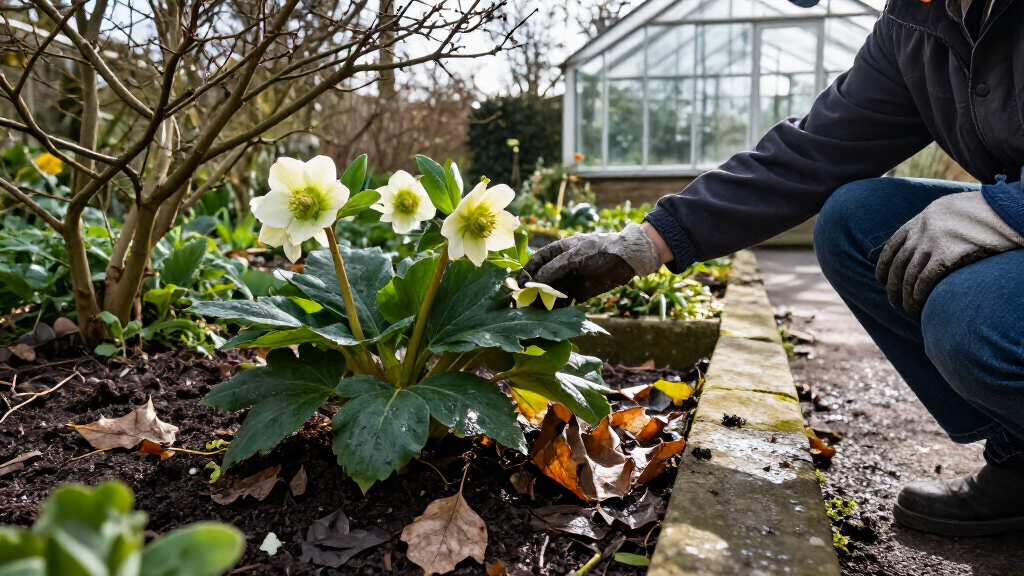

The best hellebore plants combine a flower color you like with a starting format that suits your patience and planting space. I name Ice N’ Roses Red the best overall pick for gardeners who want a named, colorful live plant; the mixed five-plant 4-inch pots stand out for a ready-to-plant assortment, while ‘Ivory Prince’ in a 1-gallon pot suits buyers who prefer a larger established plant. The main tradeoff is choice versus certainty: mixed plants offer variety but less control over flower color, while named cultivars are more predictable but come as individual plants. Plugs, small pots, bareroots, and seeds also differ in the time and care they need before they make a garden display. Read on for how these 15 options compare and which format fits your plans.

Get garden gear delivered free with Prime
- Fast, free delivery on millions of items
- Prime Video, Amazon Music and more included
- Member-only deals all year
Complete the kit


Key Takeaways
- Named live cultivars lead when color matters: Ice N’ Roses Red, Picotee, and ‘Ivory Prince’ offer more defined choices than assorted-color mixes, though each gives you fewer plants per purchase.
- The mixed five-plant 4-inch pots are the strongest ready-to-plant group option: they balance multiple plants with a larger pot format than the 2.5-inch assortments.
- Quantity does not equal instant impact: the eight-container mix supplies more plants than the three-packs, but its 2.5-inch pots still need time to establish.
- Seeds ask for the most patience and have the least predictable result: the 300-plus-seed double mix offers many sowing opportunities, but seedlings take longer to flower and may vary.
- Plant size and identity matter more than the listing’s plant count alone: compare pot or plug format, named versus mixed flowers, and whether the listing is for live plants, bareroots, or seeds.
| Ice N’ Roses Red Lenten Rose Live Plant, 1 Quart |  | Best for a Defined Red Accent | Botanical name: Helleborus x glandorfensis ‘Coseh4800’ | Plant type: Evergreen perennial | Flower color: Deep red | VIEW LATEST PRICE | See Our Full Breakdown |
| Mixed Lenten Rose (Hellebore), 5 Plants in 4-Inch Pots |  | Best for Faster Group Planting | Quantity: 5 plants | Pot size: 4 inches | Plant type: Lenten rose hellebore | VIEW LATEST PRICE | See Our Full Breakdown |
| Ice N’ Roses Picotee Lenten Rose Live Plant, 1 Quart |  | Best for a Two-Tone Flower | Scientific name: Helleborus × glandorfensis ‘Coseh5000’ | Plant type: Evergreen perennial | Flower color: White with pink rims | VIEW LATEST PRICE | See Our Full Breakdown |
| Mixed Lenten Rose (Hellebore) Plants, 5 Containers in 2.5-Inch Pots |  | Best for Small-Space Variety | Quantity: 5 plants | Pot size: 2.5 inches | Plant type: Hellebore (Lenten rose) | VIEW LATEST PRICE | See Our Full Breakdown |
| Mixed Color Lenten Rose (Hellebore) Live Plant Plugs, 3 Count |  | Best for Woodland-Garden Experimentation | Plant type: Perennial hellebore (Lenten rose) | Quantity: 3 live plugs | Flower colors: Pink, rose, burgundy, purple, white, cream, and pale green; patterns vary | VIEW LATEST PRICE | See Our Full Breakdown |
| Mixed Lenten Rose (Hellebore) Plants, 3-Pack, 2.5-Inch Pots |  | Best for Trying a Color Mix | Plant: Lenten rose (Helleborus) | Quantity: 3 plants | Pot size: 2.5 inches | VIEW LATEST PRICE | See Our Full Breakdown |
| Rome in Red Hellebore Lenten Rose |  | Best for a Defined Burgundy Accent | Brand: HostaKing | Plant type: Perennial flowering plant | Flower color: Burgundy/pink | VIEW LATEST PRICE | See Our Full Breakdown |
| Helleborus ‘Ivory Prince’ Lenten Rose Live Perennial, Quart Pot |  | Best for Changing Ivory-Toned Blooms | Plant type: Live perennial | Common name: Lenten rose | Pot size: Quart | VIEW LATEST PRICE | See Our Full Breakdown |
| Mixed Lenten Rose (Hellebore) Plants, 8 Containers in 2.5-Inch Pots | | Best for Planting a Larger Shaded Bed | Plant type: Flowering plant (Lenten rose/hellebore) | Quantity: 8 plants | Pot size: 2.5 inches | VIEW LATEST PRICE | See Our Full Breakdown |
| Mixrug Mixed Double Hellebore Seeds, 300+ Non-GMO Heirloom Seeds |  | Best for Patient Seed Growers | Plant: Helleborus orientalis (Lenten rose) | Quantity: 300+ seeds | Flower type: Double blooms | VIEW LATEST PRICE | See Our Full Breakdown |
| Helleborus Frostkiss Vibey Velvet Lenten Rose, #1 Container |  | Best for Dramatic Winter Color | Plant type: Live perennial | Container size: #1 container | Flower color: Deep velvet-purple | VIEW LATEST PRICE | See Our Full Breakdown |
| Mixed Color Lenten Rose Hellebore Starter Plugs, 4 Plants |  | Best for Color Variety | Plant type: Perennial hellebore (Lenten rose) | Quantity: 4 starter plugs | Flower colors: Mixed; may include pink, purple, burgundy, white, cream, and green | VIEW LATEST PRICE | See Our Full Breakdown |
| Helleborus × ‘Ivory Prince’ Christmas Rose, 1-Gallon Live Plant |  | Best Established Specimen | Plant type: Live perennial | Cultivar: Helleborus × ‘Ivory Prince’ | Container: 1-gallon pot | VIEW LATEST PRICE | See Our Full Breakdown |
| Lenten Rose Live Plants, 3 Hellebores in 2-Inch Pots, Assorted Colors |  | Best for a Small Starter Group | Plant type: Hellebore (Lenten rose) | Quantity: 3 live plants | Pot size: 2 inches | VIEW LATEST PRICE | See Our Full Breakdown |
| Lenten Rose (Hellebore) Mix, 5 Bareroot Plants |  | Best for Filling a Shady Bed | Plant type: Lenten rose (hellebore) | Quantity: 5 bareroot plants | Bloom time: Early season; may bloom in midwinter | VIEW LATEST PRICE | See Our Full Breakdown |
| hellebore plant | Plant type | Quantity | Flower color |
|---|---|---|---|
| Ice N’ Roses Red Lenten Rose L | Evergreen perennial | — | Deep red |
| Mixed Lenten Rose | Lenten rose hellebore | 5 plants | — |
| Ice N’ Roses Picotee Lenten Ro | Evergreen perennial | — | White with pink rims |
| Mixed Lenten Rose | Hellebore (Lenten rose) | 5 plants | — |
| Mixed Color Lenten Rose | Perennial hellebore (Lenten rose) | 3 live plugs | — |
| Mixed Lenten Rose | — | 3 plants | Mixed; varies |
| Rome in Red Hellebore Lenten R | Perennial flowering plant | 1 | Burgundy/pink |
| Helleborus ‘Ivory Prince’ Lent | Live perennial | — | Ivory, with rose-pink and chartreuse tones as blooms age |
| Mixed Lenten Rose | Flowering plant (Lenten rose/hellebore) | 8 plants | Assorted |
| Mixrug Mixed Double Hellebore | — | 300+ seeds | — |
| Helleborus Frostkiss Vibey Vel | Live perennial | — | Deep velvet-purple |
| Mixed Color Lenten Rose Helleb | Perennial hellebore (Lenten rose) | 4 starter plugs | — |
| Helleborus × ‘Ivory Prince’ Ch | Live perennial | — | Creamy white flushed with pink and green |
| Lenten Rose Live Plants | Hellebore (Lenten rose) | 3 live plants | Assorted |
| Lenten Rose | Lenten rose (hellebore) | 5 bareroot plants | — |
More Details on Our Top Picks
Ice N’ Roses Red Lenten Rose Live Plant, 1 Quart
Deep red winter-to-spring flowers give this single-quart hellebore a clearer color identity than the Mixed Lenten Rose, 5 Plants in 4-Inch Pots, whose flower shades are unknown until they bloom. Its evergreen habit and compact 12–18-inch size suit a shaded border or container where a red focal point matters more than filling a broad area. Deer resistance and drought tolerance add flexibility once it is established. The tradeoff is scale: one quart is a single plant, not a ready-made mass planting, and the seller does not guarantee flowers at delivery. It also arrives in a fabric grow bag rather than a plastic nursery pot, so buyers should be prepared to transfer or plant it. I’d choose it for targeted color, not instant coverage.
Pros:- Deep red flowers offer more predictable color than the mixed-color five-plant set.
- Evergreen perennial with a winter-to-spring bloom period.
- Compact mature size suits containers and smaller garden spaces.
- Deer resistant and drought tolerant once established.
Cons:- One quart provides limited coverage compared with multi-plant sets.
- Flowers at delivery are not guaranteed.
- Ships in a fabric grow bag rather than a plastic nursery pot.
Best for: Gardeners seeking one named, deep-red hellebore for a shaded container or a small, deliberate border accent.
Not ideal for: Buyers who need several plants to fill a large bed or expect visible flowers immediately on arrival.
- Botanical name:Helleborus x glandorfensis ‘Coseh4800’
- Plant type:Evergreen perennial
- Flower color:Deep red
- Bloom period:Winter to spring
- Mature size:12–18 inches tall and wide
- Sun exposure:Shade to partial sun
- Hardiness zones:5–9
- Plant size and shipping container:1 quart; fabric grow bag
Our verdict“Choose this single plant for a defined red accent in shade, but pick a mixed multi-plant set if bed coverage matters more than color control.”
Mixed Lenten Rose (Hellebore), 5 Plants in 4-Inch Pots
For a gardener who wants several established plants rather than a single specimen, this five-plant set in 4-inch pots is the strongest group-planting option in this batch. Compared with the smaller-pot Mixed Lenten Rose Plants, 5 Containers in 2.5-Inch Pots, the larger listed pot size gives these plants a more substantial starting format, though it does not guarantee a particular bloom or growth rate. The mixed colors add variety, and the glossy evergreen foliage keeps the planting presentable outside its midwinter bloom window. The compromise is limited color control: the set’s shades vary and cannot be selected. It also suits full to partial shade rather than sunnier sites, and shipping may be affected by unusually hot or cold weather. I’d favor it when establishing a small cluster matters more than choosing exact flower colors.
Pros:- Five plants provide a practical group for a shaded bed.
- 4-inch pots are larger than the 2.5-inch pots in the comparable five-plant set.
- Glossy dark green foliage remains year-round.
- Midwinter bloom timing can bring color before many perennials emerge.
Cons:- Flower colors vary and cannot be chosen in advance.
- Requires full shade to partial shade rather than a sunny location.
- Shipping may be affected by unusually hot or cold weather.
Best for: Shade gardeners who want five potted hellebores for a grouped planting and are comfortable with an unpredictable mix of flower colors.
Not ideal for: Buyers with sunny planting sites, a strict color scheme, or a preference for smaller starter plants.
- Quantity:5 plants
- Pot size:4 inches
- Plant type:Lenten rose hellebore
- Sunlight exposure:Full shade to partial shade
- Height:18–24 inches
- USDA hardiness zones:4–9
- Bloom time:Midwinter
- Foliage and flower colors:Glossy dark green, year-round; mixed flower colors
Our verdict“Pick this set for a five-plant shaded grouping in larger pots, provided mixed flower colors suit your garden plan.”
Ice N’ Roses Picotee Lenten Rose Live Plant, 1 Quart
White petals edged in pink give this quart-size hellebore a more detailed look than the solid deep-red flowers of Ice N’ Roses Red Lenten Rose. That makes the Picotee a better fit where a lighter bloom can stand out in a shady bed without relying on a broad mix of unknown colors. Its 12–18-inch mature footprint, evergreen habit, and suitability for containers keep it flexible in smaller spaces. Like the Red option, it is listed as drought tolerant and deer resistant, but those traits do not remove the need for suitable planting conditions. This is still one plant, so it will not cover a large border quickly, and blooms at delivery are not guaranteed. The fabric grow bag is another practical difference from a conventional plastic nursery pot. I’d pick it for a distinctive flower pattern, not immediate mass impact.
Pros:- White flowers with pink rims offer a distinct look compared with the solid-red Ice N’ Roses plant.
- Evergreen foliage and winter-to-spring flowering extend garden interest.
- Compact size works in beds and containers.
- Listed as deer resistant and drought tolerant.
Cons:- A single quart plant offers limited coverage.
- Flowering at delivery is not guaranteed.
- Ships in a fabric grow bag rather than a plastic pot.
Best for: Gardeners who want a single shade-friendly hellebore with white flowers and pink edges for a container or small border.
Not ideal for: Buyers seeking multiple plants for broad coverage, guaranteed flowers on arrival, or an all-solid-color look.
- Scientific name:Helleborus × glandorfensis ‘Coseh5000’
- Plant type:Evergreen perennial
- Flower color:White with pink rims
- Blooming period:Winter to spring
- Mature size:12–18 inches tall and wide
- Sun exposure:Shade to partial sun
- Hardiness zones:5–9
- Plant size and shipping container:1 quart; ships in a fabric grow bag
Our verdict“Choose the Picotee for a single, patterned white-and-pink focal plant; choose the Red version if you prefer a solid, saturated bloom.”
Mixed Lenten Rose (Hellebore) Plants, 5 Containers in 2.5-Inch Pots
This set pairs five mixed-color hellebores with smaller 2.5-inch pots, making it a better match for gardeners who want several varieties without starting with the larger 4-inch pots of the other Daylily Nursery set. Its evergreen foliage and potential midwinter flowers bring seasonal interest to full- or partial-shade beds. The smaller pot size may be easier to place in a tight planting layout, but these are still five plants with a stated mature height of 18–24 inches, so the eventual group needs room. As with the 4-inch set, flower colors cannot be selected, and the smaller containers do not solve that uncertainty. Shipping is also weather-sensitive, with stated limits below 32°F or above 95°F. I’d choose this version for a more modest starting format, not if you want larger potted plants or a coordinated flower palette.
Pros:- Five plants provide variety across a shade planting.
- Smaller 2.5-inch pots suit buyers seeking a compact starting format.
- Glossy foliage remains evergreen year-round.
- May flower as early as midwinter.
Cons:- Mixed flower colors cannot be selected or known in advance.
- Smaller pots offer a less substantial starting size than the 4-inch five-plant set.
- Shipping may be unsuitable below 32°F or above 95°F.
Best for: Gardeners building a shaded planting from five smaller potted starts who welcome color variation and can plant during suitable shipping weather.
Not ideal for: Buyers who want larger starting pots, exact flower colors, or plants for exposed sunny beds.
- Quantity:5 plants
- Pot size:2.5 inches
- Plant type:Hellebore (Lenten rose)
- Bloom period:May bloom in midwinter
- Sunlight exposure:Full shade to partial shade
- USDA hardiness zones:4–9
- Height:18–24 inches
- Moisture needs:Moderate watering
Our verdict“Choose this set for five smaller starts and color variety, but opt for the 4-inch-potted set if you want a larger starting format.”
Mixed Color Lenten Rose (Hellebore) Live Plant Plugs, 3 Count
These three live plugs make the most sense for buyers who enjoy growing a varied hellebore planting from small starts rather than choosing a more established quart plant such as Ice N’ Roses Picotee. The color range is broad—pink, burgundy, purple, white, cream, or pale green—with naturally variable patterns, so the appeal is discovery, not a controlled palette. Their stated zones 3–10 cover a wider range than the other plants in this batch, and the late-winter-to-spring bloom window suits woodland beds and partial shade. Plugs need more attention during establishment: the soil should be fertile and well drained, and moisture should stay moderate and consistent. Waterlogged ground is a poor fit. Since specific colors are not guaranteed and the product data gives no mature dimensions, I’d pick these for patient gardeners who prioritize variety over an immediate, predictable display.
Pros:- Three plugs offer a varied color range with naturally different patterns.
- Late-winter and spring blooms bring color before many perennials are active.
- Listed for USDA zones 3–10, broader than the quart-size Ice N’ Roses plants.
- Suitable for woodland gardens, shaded borders, and foundation beds.
Cons:- Flower shades and patterns are not guaranteed.
- Plugs need consistent moderate moisture while establishing.
- Poorly drained or persistently waterlogged soil can cause problems.
Best for: Patient gardeners establishing a partial-shade or woodland bed from small starts who enjoy varied flower colors and can manage moisture carefully.
Not ideal for: Buyers who need mature-looking plants quickly, require a specific flower shade, or garden in persistently waterlogged soil.
- Plant type:Perennial hellebore (Lenten rose)
- Quantity:3 live plugs
- Flower colors:Pink, rose, burgundy, purple, white, cream, and pale green; patterns vary
- Light:Partial shade recommended
- Soil:Fertile, well-drained loam
- Watering:Moderate; keep consistently moist while establishing
- USDA hardiness zones:3–10
- Bloom season:Late winter and spring
Our verdict“Pick these plugs for broad color variety and a wide stated hardiness range if you are willing to nurture smaller starts rather than buy a more established plant.”
Mixed Lenten Rose (Hellebore) Plants, 3-Pack, 2.5-Inch Pots
I’d choose this three-plant assortment for a smaller shaded bed where variety matters more than picking an exact flower color. Its hellebores can bloom as early as midwinter, and glossy evergreen foliage gives the planting presence after flowers fade. At 18–24 inches tall, these plants are taller than the compact Rome in Red Hellebore Lenten Rose, though that single plant offers a specified burgundy-purple flower instead of a surprise mix. The tradeoff here is clear: you get several plants and varied colors, but cannot choose the colors in advance. The 2.5-inch pots are also small, so allow time and suitable shade conditions for establishment. I’d pass if you need instant coverage or want a carefully coordinated color scheme.
Pros:- Three plants provide more variety than a single-plant selection.
- May flower as early as midwinter.
- Evergreen, glossy dark-green foliage remains attractive year-round.
- Listed for hardiness zones 4–9 and tolerates a range of challenging conditions once established.
Cons:- Flower colors vary and cannot be selected in advance.
- Small 2.5-inch pots mean plants need time and attentive care to establish.
- Extreme temperatures during shipping may damage plants.
Best for: Gardeners with a small shaded area who want several early-flowering hellebores and are happy to let the flower colors be a surprise.
Not ideal for: Buyers planning a precise color scheme or seeking large, established plants for immediate garden impact.
- Plant:Lenten rose (Helleborus)
- Quantity:3 plants
- Pot size:2.5 inches
- Plant height:18–24 inches
- Hardiness zones:4–9
- Light:Full shade to partial shade
- Foliage:Evergreen, glossy dark green
- Flower color:Mixed; varies
Our verdict“Choose this three-pack for an adaptable, mixed-color start in a shaded garden, but skip it if you need specific flower colors or mature specimens.”
Rome in Red Hellebore Lenten Rose
For a shaded border that needs a deliberate color note, I’d pick Rome in Red over the mixed-color three-pack: its deep burgundy-purple flowers with yellow centers offer a more predictable look, while the mixed plants trade color control for variety. This is a single compact perennial, reaching 12–18 inches tall and spreading 18–24 inches wide, so it suits the front or middle of a planting rather than a tall focal point. Its late-winter-to-early-spring bloom can last up to 8–10 weeks, and the evergreen leaves keep the space from looking bare afterward. The limits are its one-plant quantity and shade requirement. Compared with Ivory Prince, it makes a stronger dark-flower statement, but offers less variation in bloom color over time.
Pros:- Deep burgundy-purple flowers with yellow centers provide a distinct color accent.
- Bloom period can extend up to 8–10 weeks.
- Compact height suits smaller borders and layered shade plantings.
- Evergreen foliage and deer resistance add year-round and practical garden value.
Cons:- Sold as one plant, so it will not fill a large bed quickly.
- Requires partial to full shade.
- Its 12–18-inch mature height may be too short for gardeners seeking a taller focal plant.
Best for: Gardeners who want one compact, dark-flowered hellebore for a partially or fully shaded border.
Not ideal for: Buyers who need several plants for broad coverage, prefer light-colored blooms, or garden in full sun.
- Brand:HostaKing
- Plant type:Perennial flowering plant
- Flower color:Burgundy/pink
- Bloom season:Late winter to early spring
- Bloom duration:Up to 8–10 weeks
- Mature size:12–18 inches tall, 18–24 inches wide
- Quantity:1
- Light:Partial to full shade
Our verdict“Pick Rome in Red for a compact, long-blooming burgundy accent in shade, not for mass planting or a light-colored display.”
Helleborus ‘Ivory Prince’ Lenten Rose Live Perennial, Quart Pot
Ivory Prince is the most color-specific choice here without being visually static: rose-pink buds open to ivory flowers, then develop rose-pink and chartreuse tones as they age. That changing palette makes it a better fit for a carefully composed shade border than the assorted eight-plant mix, whose flower colors cannot be selected. It arrives fully rooted in a quart pot, a more substantial starting format than the 2.5-inch pots in the three-pack, and grows 12–18 inches tall. Blue-green evergreen foliage adds contrast even outside bloom season. The tradeoff is that it is a single shade-loving plant, not a quick way to cover a large area. Winter shipments may arrive dormant and trimmed, so I wouldn’t choose it if you expect a leafy display on arrival.
Pros:- Flowers shift from rose-pink buds to ivory, then take on rose-pink and chartreuse tones.
- Fully rooted in a quart pot and ready for planting.
- Blue-green evergreen foliage offers color beyond the flowering season.
- Compact 12–18-inch height suits layered shade gardens.
Cons:- May arrive dormant and trimmed when shipped from November through March.
- Requires a shaded location.
- One plant is a limited choice for filling a broad planting area.
Best for: Shade gardeners who want a rooted, named cultivar with ivory flowers that shift in color as they mature.
Not ideal for: Buyers who need several plants for rapid coverage, want a full-looking plant during winter delivery, or lack a shaded planting spot.
- Plant type:Live perennial
- Common name:Lenten rose
- Pot size:Quart
- Mature height:12–18 inches
- Foliage:Blue-green, evergreen
- Bloom time:Late winter to early spring
- Flower color:Ivory, with rose-pink and chartreuse tones as blooms age
- Light preference:Shade
- Plant condition:Fully rooted; may arrive dormant and trimmed from November 1 to March 1
Our verdict“Choose Ivory Prince for a rooted, shade-ready hellebore with evolving ivory-toned flowers, provided you’re comfortable with dormant winter delivery.”
Mixed Lenten Rose (Hellebore) Plants, 8 Containers in 2.5-Inch Pots
When the goal is to establish a broader hellebore planting, this eight-plant assortment offers more starts than the three-pack and is the strongest choice here for quantity. The plants may bloom as early as midwinter, while dark, glossy evergreen leaves help the bed stay green after flowering. Their 18–24-inch height gives them a taller profile than Rome in Red, which is more compact and better suited to a smaller border. The tradeoff is that every plant comes in a 2.5-inch pot, so this is a larger planting project, not an instant mature display. Flower colors are assorted and cannot be selected, making the pack less suitable for coordinated designs than Ivory Prince. Shipping may also be affected by unusually hot or cold weather.
Pros:- Eight plants provide a larger quantity for a broad planting.
- May produce early blooms, potentially in midwinter.
- Glossy dark-green foliage remains year-round.
- Suitable for partial to full shade and listed for zones 4–9.
Cons:- Assorted flower colors cannot be chosen in advance.
- Small 2.5-inch pots require time and care for plants to establish.
- Unusually hot or cold shipping conditions may affect plant condition.
Best for: Gardeners establishing a larger partial- or full-shade bed who want multiple hellebores and are flexible about flower colors.
Not ideal for: Buyers who want mature plants, a specific bloom color, or only a few plants for a small garden.
- Plant type:Flowering plant (Lenten rose/hellebore)
- Quantity:8 plants
- Pot size:2.5 inches
- Flower color:Assorted
- Blooming period:May bloom as early as midwinter
- Sunlight exposure:Partial to full shade
- Plant height:18–24 inches
- USDA hardiness zones:4–9
- Moisture needs:Moderate watering
Our verdict“Choose this pack to start a larger shaded bed with varied hellebores, but skip it if you need color control or established specimens.”
Mixrug Mixed Double Hellebore Seeds, 300+ Non-GMO Heirloom Seeds
This is the outlier in the lineup: 300+ seeds offer a route to growing many hellebores, but not the ready-to-plant result provided by Ivory Prince or either mixed live-plant pack. The open-pollinated mix is described as producing double, rose-like blooms in burgundy, pink, white, and green, bringing more potential color variety than Rome in Red’s defined burgundy-purple flowers. That scale comes with a substantial wait and extra steps: the seeds require cold stratification, and seedlings need time to grow before they become flowering garden plants. They suit partial to full shade and zones 4–9, with semi-evergreen foliage. I’d choose these only if propagation is part of the appeal; buyers seeking reliable, near-term garden impact should select live plants instead.
Pros:- 300+ seeds offer the potential to raise many plants.
- Mix is described as producing layered double blooms in several colors.
- Perennial hellebores suit shaded gardens and woodland-style plantings.
- Non-GMO, heirloom, open-pollinated seed mix.
Cons:- Cold stratification is required for germination.
- Seed-grown plants take longer to establish and flower than live potted hellebores.
- Partial to full shade is preferred, limiting suitable planting locations.
Best for: Patient gardeners who enjoy seed starting, can provide cold stratification, and want to raise many varied hellebores for a shaded garden.
Not ideal for: Buyers who want an established plant, predictable flower colors, or blooms in the near term without propagation work.
- Plant:Helleborus orientalis (Lenten rose)
- Quantity:300+ seeds
- Flower type:Double blooms
- Flower colors:Burgundy, pink, white, and green
- Blooming period:Late winter to early spring
- Sunlight:Partial to full shade
- USDA hardiness zones:4–9
- Seed treatment:Cold stratification required
- Seed type:Non-GMO, heirloom, open-pollinated
Our verdict“Choose these seeds if you enjoy propagation and can wait for flowering plants; choose a live hellebore for quicker garden impact.”
Helleborus Frostkiss Vibey Velvet Lenten Rose, #1 Container
Deep velvet-purple blooms give this hellebore a more saturated look than the softer, cream-and-pink flowers of Ivory Prince. It blooms from winter into early spring, while its silver-marbled evergreen leaves keep the planting interesting between flowering periods. At about 18 inches tall and wide, it suits a shaded border or woodland garden without needing a large footprint. Compared with the mixed-color starter plugs, this is the clearer pick when you want a predictable flower color rather than a surprise assortment. The tradeoff is that its preferred partial to full shade limits placement, and moderate watering is still needed. I’d choose it for a specific, moody color accent, not for filling a sunny bed or creating a large mass planting on a tight budget.
Pros:- Deep purple flowers add strong color during the winter-to-early-spring lull.
- Silver-marbled evergreen foliage provides texture beyond the bloom period.
- Compact 18-inch spread fits shaded borders and woodland gardens.
- Deer resistant and low maintenance once established.
Cons:- Needs partial to full shade for its preferred growing conditions.
- Requires moderate watering, particularly while establishing.
Best for: Gardeners with a shaded border who want a defined, dark purple flower color and evergreen foliage.
Not ideal for: Sunny-site gardeners or anyone seeking several plants to cover a broad area.
- Plant type:Live perennial
- Container size:#1 container
- Flower color:Deep velvet-purple
- Bloom period:Winter to early spring
- Mature size:18 inches tall and wide
- Sunlight:Partial sun to full shade
- Hardiness zone:Zone 4
- Soil and watering:Loam; moderate watering
Our verdict“Choose Vibey Velvet for a shaded spot where its specific deep-purple flowers and marbled leaves matter more than planting several hellebores at once.”
Mixed Color Lenten Rose Hellebore Starter Plugs, 4 Plants
Four starter plugs make this the variety-focused choice in this group: flowers may range from pink and burgundy to cream, green, or purple, with veining or speckles possible. That gives a partially shaded bed a less uniform look than the single-color Vibey Velvet, while offering one more plant than the three-plant assorted set. The uncertainty is also the main tradeoff: specific colors and patterns aren’t guaranteed, so I wouldn’t pick these if a coordinated palette is the goal. They bloom in late winter to spring and suit woodland gardens or foundation beds, but plugs need careful establishment in well-drained soil kept consistently moist at first. Compared with the larger potted options, these are better suited to gardeners willing to nurture young plants rather than looking for an immediate, established display.
Pros:- Includes four plants for starting a small grouping.
- Potential flower colors and patterns offer a naturally varied display.
- Late-winter-to-spring blooms bring color before many perennials wake.
- Suitable for shaded borders, woodland gardens, and foundation beds.
Cons:- Flower colors and patterns vary and cannot be selected.
- Starter plugs need consistent moisture while establishing.
- Persistently waterlogged soil can harm the plants.
Best for: Gardeners establishing a partially shaded bed who enjoy varied flower colors and are comfortable caring for starter plants.
Not ideal for: Buyers coordinating a precise color scheme or planting in persistently wet soil.
- Plant type:Perennial hellebore (Lenten rose)
- Quantity:4 starter plugs
- Flower colors:Mixed; may include pink, purple, burgundy, white, cream, and green
- Light:Partial shade recommended
- Hardiness zones:Zones 3–10
- Blooming season:Late winter to spring
- Soil:Loam, well-drained
- Watering:Moderate; consistent moisture while establishing
Our verdict“Pick these four plugs if you want a varied hellebore grouping and can accept uncertain colors and the extra care young plants require.”
Helleborus × ‘Ivory Prince’ Christmas Rose, 1-Gallon Live Plant
Ivory Prince is the more defined, established-plant choice here: it arrives in a 1-gallon pot, while the mixed starter plugs and bareroot five-plant mix ask the gardener to build up from smaller or less established material. Its reddish-pink buds open to creamy flowers flushed with pink and green, set against silver-veined evergreen leaves. That restrained palette makes it a useful anchor for a border or container, especially beside the more dramatic purple of Vibey Velvet. The plant can also work in rock gardens and as groundcover, though its 18–24-inch spread needs room. It favors humusy, well-drained soil and shade, and the stated zones are narrower than the broader zone range listed for the starter plugs. Cold winter winds can also call for a sheltered position.
Pros:- Named cultivar offers a more predictable cream, pink, and green flower palette than assorted mixes.
- One-gallon pot gives it a more established starting point than starter plugs or bareroot plants.
- Silver-veined evergreen foliage contributes year-round structure.
- Versatile for borders, containers, rock gardens, and groundcover.
Cons:- Hardiness range is limited to zones 5–8.
- Requires organically rich, well-drained soil and part to full shade.
- Needs protection from cold winter winds.
Best for: Gardeners who want a named cultivar in a larger pot for a shaded border, container, or small specimen planting.
Not ideal for: Gardeners in zones outside 5–8, exposed windy sites, or beds with poorly drained soil.
- Plant type:Live perennial
- Cultivar:Helleborus × ‘Ivory Prince’
- Container:1-gallon pot
- Flower color:Creamy white flushed with pink and green
- Foliage:Evergreen, leathery leaves veined in silver
- Mature size:12–18 inches tall; 18–24 inches spread
- Hardiness zones:Zones 5–8
- Light and soil:Part to full shade; organically rich, humusy, well-drained soil
Our verdict“Choose Ivory Prince if you want a named, larger-potted hellebore with a soft flower palette and have a sheltered, well-drained shaded site.”
Lenten Rose Live Plants, 3 Hellebores in 2-Inch Pots, Assorted Colors
This set provides three live plants in 2-inch pots, making it a modest way to start a grouping without committing to the five bareroot plants in the Lenten Rose Mix. Its winter-to-spring bloom window, listed as February through May, supports early garden color, and the plants are described as deer resistant. However, the listing leaves important choices open: flower colors are assorted, and the sunlight details conflict, naming full sun while recommending partial shade in the planting instructions. I’d treat partial shade as the safer site based on those instructions, but buyers who need dependable growing guidance may prefer the clearer light information for Ivory Prince. The listed height lacks a unit, too, so this set is a less precise choice for planned spacing or a carefully composed border.
Pros:- Three live plants can start a small garden grouping.
- Winter-to-spring bloom period offers early seasonal color.
- Described as deer resistant.
- Plants can be used for landscaping or cut flowers.
Cons:- Assorted colors are not specified, limiting control over the planting palette.
- Sun exposure information conflicts between the listed full-sun detail and partial-shade instructions.
- Expected plant height is provided without a unit.
Best for: Gardeners who want three small live hellebores for a partially shaded area and are flexible about color and final size.
Not ideal for: Buyers who need clear, consistent light guidance, specified flower colors, or reliable plant-height information.
- Plant type:Hellebore (Lenten rose)
- Quantity:3 live plants
- Pot size:2 inches
- Flower color:Assorted
- Blooming period:Winter to spring; typically February–May
- Sunlight:Listing says full sun; planting instructions recommend partial shade
- Hardiness zone:Zone 3
- Soil and watering:Humus-rich, well-drained soil; moderate watering
Our verdict“This set suits flexible gardeners starting a small hellebore group, but buyers who need dependable site and size details should choose a more clearly specified plant.”
Lenten Rose (Hellebore) Mix, 5 Bareroot Plants
Five bareroot plants make this mix the strongest choice in the lineup for starting a broader shaded planting, rather than buying one focal specimen like Ivory Prince or a single #1-container Vibey Velvet. The plants reach about 18–24 inches and carry glossy, dark green evergreen foliage, with flowers that may appear as early as midwinter. That combination can give a bed lasting structure as well as early blooms. The main compromise is predictability: flower colors vary, so this is not the set for a coordinated color scheme. Bareroot stock also has less of an immediate established look than the potted options, and the seller notes vulnerability to extreme hot or cold shipping weather. It fits zones 4–9 and prefers full to partial shade.
Pros:- Five plants can cover more area than the single-plant options.
- May bloom as early as midwinter.
- Glossy evergreen foliage keeps the planting structured year-round.
- Suitable for full shade to partial shade in zones 4–9.
Cons:- Mixed flower colors are unpredictable.
- Bareroot plants offer less of an immediate established display than potted hellebores.
- Extreme hot or cold shipping weather may leave plants vulnerable to damage.
Best for: Gardeners in zones 4–9 who want several hellebores to establish a shaded bed and are comfortable planting bareroot stock.
Not ideal for: Buyers seeking a named cultivar, a guaranteed flower color, or a ready-made display in a pot.
- Plant type:Lenten rose (hellebore)
- Quantity:5 bareroot plants
- Bloom time:Early season; may bloom in midwinter
- Foliage:Glossy, dark green, evergreen
- Hardiness zones:Zones 4–9
- Light:Full shade to partial shade
- Height:18–24 inches
- Flower colors:Mixed; varies
Our verdict“Choose this five-plant mix to build a substantial shaded planting, provided you’re comfortable with bareroot establishment and variable flower colors.”
How We Picked
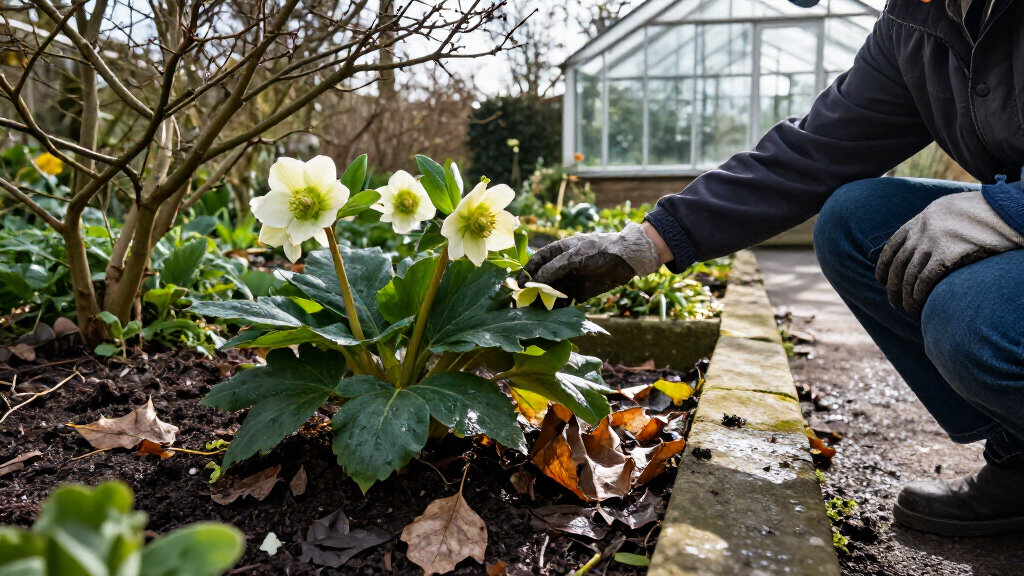
I ranked these options by how clearly they answer different hellebore-buying needs: a named flower, several plants for a border, a larger starting plant, or a lower-commitment way to try the genus. I weighed plant format and starting size, the balance between quantity and likely establishment time, and how much control the listing gives buyers over flower appearance. A named cultivar earns a place for predictability; a mixed pack earns one when its plant count and format make it useful for filling space.
The ranking favors live plants with a clear identity or practical multi-plant value over seeds when the goal is a garden display sooner. Within the live options, larger pots and well-defined cultivars rank ahead of smaller plugs when they offer a more direct path to planting and a known color direction. This does not mean seeds, plugs, or bareroots are poor choices: they rank lower for buyers seeking immediate certainty, but can suit gardeners willing to raise plants gradually or plant a larger area. I also treated listings with similar formats as close alternatives rather than assuming that a higher count alone makes a better buy.
Factors to Consider When Choosing Best Hellebore Plants
Before choosing a hellebore, decide what you want the purchase to solve: a reliable flower color, a group planting, or an economical way to grow several plants over time. The product format shapes the work ahead just as much as the variety does.
Choose Named Cultivars for Color Certainty
A named cultivar is the better fit when a specific flower color or pattern needs to complement an existing planting. Options such as red, picotee, and ‘Ivory Prince’ give you a clearer direction than a mixed-color pack, though the listing still cannot promise the exact flower appearance of every individual plant. Mixed hellebores make more sense when you enjoy variation or want a natural-looking group. A common mistake is buying a mix while expecting one uniform color across the bed. If matching color matters, choose a named plant and confirm the seller’s description and current plant details before ordering.
Match the Starting Format to Your Patience
Quart and gallon containers generally provide a more substantial starting point than small pots, plugs, or seeds, but container size alone does not guarantee a particular bloom schedule. Plugs and small pots can suit gardeners who are willing to nurture young plants and wait for them to fill out. Seeds involve the longest path from purchase to flowering and can produce variation, even when sold as a selected mix. Bareroot plants avoid a pot but need timely planting and careful attention as they establish. Avoid choosing solely by the number shown in a listing; check what form each unit arrives in and plan for the care that form needs.
Use Plant Count to Plan a Bed, Not to Predict Instant Coverage
A multi-plant pack can help create a group planting more efficiently than buying single cultivars, but small plants need room and time to grow. The five- and eight-container assortments offer different quantities, while three-packs can be easier to place in a smaller border. Think about the mature spread and leave space for neighboring plants rather than crowding every pot into one tight cluster. A frequent misstep is treating plugs or 2.5-inch pots as if they will fill the area immediately. If you need a finished-looking focal point, favor a larger individual plant; if you can wait, a small group can develop into a more natural display.
Check Site Conditions Before Settling on a Variety
Hellebores are commonly chosen for partly shaded garden areas, but the right site still depends on local light, soil drainage, and seasonal conditions. Persistent waterlogging can undermine a planting, while a dry, exposed spot may demand more attention than a sheltered bed. Check the plant listing for hardiness and growing guidance, then compare that information with your local climate rather than assuming every hellebore suits every region. Decide where the plants will go before ordering, especially if you are buying several containers. This step can prevent an attractive assortment from ending up in a spot that does not suit its needs.
Pay More for Establishment or for Identity—Not Just Packaging
A larger container can be worth choosing when you want a more substantial plant to place in the garden, while a named cultivar may justify its place when flower identity is the priority. Neither advantage replaces healthy roots, accurate shipping information, or a seller’s clear description of what is included. A lower-cost seed or plug option can be sensible for patient gardeners, but it is a poor shortcut if you need a defined border this season. Compare the number of plants with their size and form, and check whether the listing specifies live plants, bareroots, or seeds. The best value is the format that matches your timeline and planting goal, not automatically the pack with the most units.
Frequently Asked Questions
Should I choose a named hellebore or a mixed-color pack?
Choose a named plant if you have a particular color or flower pattern in mind and want more predictability than a mix can provide. A mixed pack suits a gardener who values several plants and is happy to let the colors vary. The named options in this roundup include red, picotee, and ‘Ivory Prince’; the assorted packs emphasize quantity instead. If you are planting beside a coordinated color scheme, a named cultivar is the safer direction. If the bed is informal, a mix can add variety without requiring you to select every plant individually.
Are small hellebore plugs a good choice if I want flowers soon?
Plugs can be a sensible way to start several plants, but they are not the most direct route to an established-looking display. They need time and attentive establishment before they resemble larger container plants, and flowering timing can vary with plant maturity and growing conditions. For a quicker visual presence, compare plugs with quart- or gallon-size live plants. If you are planting a large area and can wait for it to fill in, plugs may fit your plan better. Check the listing’s plant size and care guidance rather than treating the word “live” as a sign of immediate garden impact.
Are hellebore seeds a better choice than live plants for a large area?
Seeds can give patient gardeners many opportunities to raise plants, but they require more time and do not provide the same certainty about flower appearance as a named cultivar. Seed-grown plants also need a growing period before they become garden-ready specimens. Live multi-packs cost you less growing time and make it easier to plan a group planting, though their colors may be mixed and their pot sizes can be small. Choose seeds when you enjoy propagation and can accommodate seedlings. Choose live plants when the planting deadline or flower identity matters more than growing a larger number from the start.
How should I choose between a 2.5-inch pot, a quart, and a gallon plant?
Think of the container formats as different starting points, not as a guarantee of eventual garden performance. Small pots let you buy several plants and suit gardeners willing to establish them over time. A quart can offer a middle ground for a named cultivar, while a gallon plant may appeal when you want a larger starting specimen. Check the listing for actual plant dimensions and whether the container size refers to the pot rather than the plant itself. If shipping or planting conditions are important, review the seller’s seasonal handling guidance as well.
Can I combine different hellebore types in one planting?
Yes, combining named cultivars with mixed plants can give a bed both a planned focal color and softer variation around it. Before ordering, check that the plants share compatible growing needs and suit your local conditions. A named red or picotee plant can anchor the arrangement, while assorted hellebores add diversity nearby. Avoid placing many young plants too close together simply to make the group look full at first. Leave room for growth and use the seller’s planting guidance to set spacing.
Conclusion
For most buyers seeking a defined flower color in a live plant, I recommend Ice N’ Roses Red as the best overall; choose the mixed five-plant 4-inch pots as the best value-oriented group option if you want several plants and accept color variation. For a more substantial named specimen, ‘Ivory Prince’ in a 1-gallon container is my premium pick, while beginners who want a straightforward live-plant starting point can choose a named quart-size option such as Picotee or Red. Gardeners filling a larger area should compare the five- and eight-container mixes, and patient propagators may prefer the seed mix. Match the format to your timeline, then choose the amount of color control you want.